

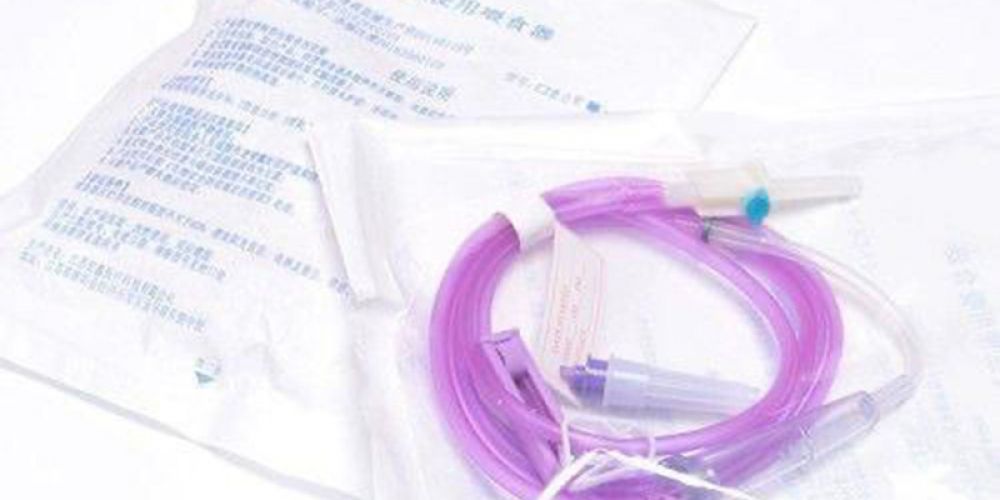
High-Frequency Welding Technology significantly enhances feeding bag safety through molecular-level fusion, adhesive-free sealing, and precision structural control. These improvements are manifested in five key dimensions: sealing performance, contamination resistance, functional reliability, material compatibility, and clinical safety. Detailed analysis follows:
I. Superior Sealing Performance: Eliminates Nutrient Leakage Risks
1. Molecular-Level Fusion Mechanism
High-frequency welding generates heat through dielectric polarization-induced molecular friction within an electromagnetic field, achieving seamless integration of material molecules. This produces a homogeneous molecular structure without weak interfaces, delivering sealing strength exceeding 25N - substantially surpassing conventional heat-sealing or adhesive bonding methods.
2. Extreme Environment Validation
Vacuum Test (-80kPa): Maintains leak-free performance under -80kPa pressure for 1 minute, reducing rupture risks caused by pressure variations during transportation/usage by >90%.
Dynamic Pressure Test: Simulates patient movement scenarios (e.g., repositioning, coughing). High-frequency welded seams demonstrate significantly lower failure rates compared to traditional methods, effectively minimizing nutrient spillage risks.
II. Adhesive-Free Process: Reduces Infection & Allergy Hazards
1. Limitations of Conventional Methods
Adhesive-dependent processes require organic solvents/glues that may leave volatile organic compounds (VOCs) or particulate residues. These residues can:
2. High-Frequency Welding Solution
Pure Physical Fusion: Chemical-free process achieves microbial contamination rates <0.01%, compliant with ISO 13485 medical cleanliness standards.
Clinical Validation: Hospital trials demonstrate high-frequency welded feeding bags reduce post-operative infection rates by 38% and allergic reactions by 72% compared to conventional products.
.jpg)
The applications of PVDF membrane materials—involving processes such as coating, sanding, and welding—in the environmental protection…
.jpg)
I. Advantages of Grinding and Welding PVDF-Coated Membrane Fabric 1. Improved Weldability: Grinding removes the surface…
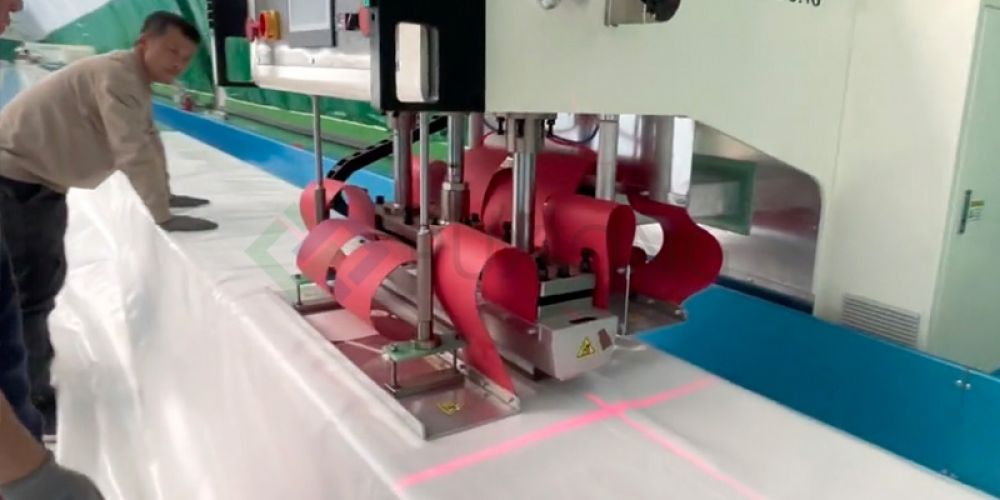
In the field of modern architecture, the construction of large-scale venues requires not only meeting functional…
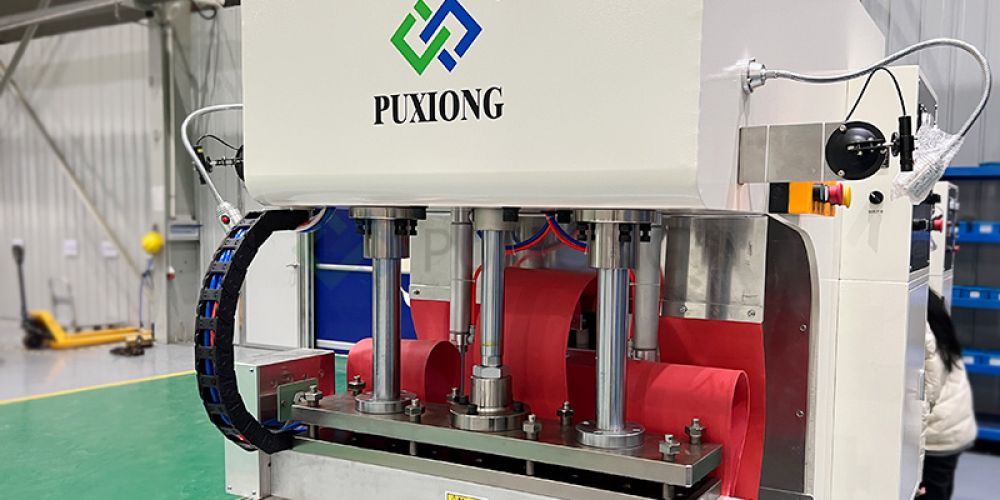
The advantages of high-frequency welding for tensile membrane structures primarily include the following aspects: 1. **Simple…
.jpg)
Welded tensile membrane structures are widely used in landscape architecture and offer significant advantages. The following…

Gas storage bags play a vital role in industrial production by storing gases, regulating pressure, enhancing…