

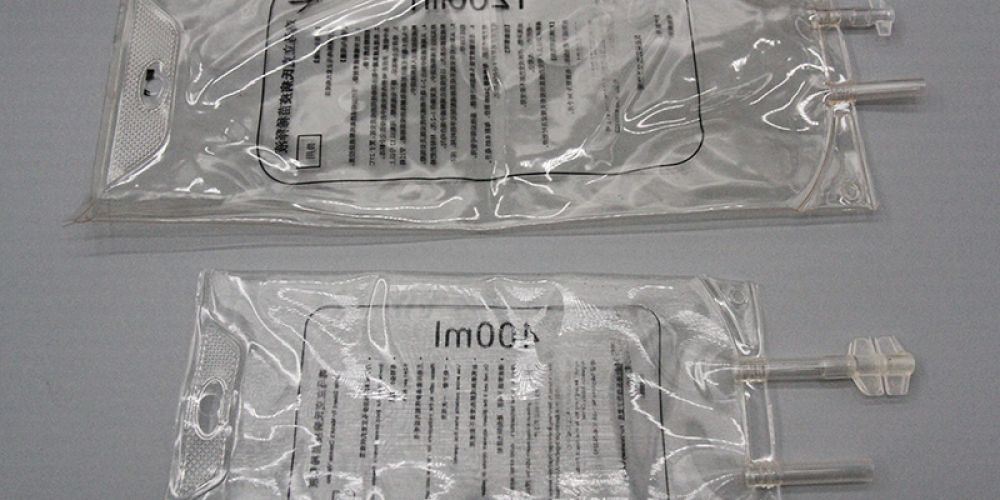
I. High-Frequency Welding Principle: Synergistic Effect of Molecular Polarization and Dielectric Loss
High-frequency welding (also known as dielectric welding) utilizes the molecular polarization effect of polar plastics under a high-frequency electric field to achieve heat sealing. Its core principle can be divided into the following steps:
1. Molecular Polarization under Electric Field
When polar plastics (such as PVC, PET, nylon, etc.) are placed in a high-frequency electric field, the polar groups (such as -Cl, -OH) in their molecules rapidly align with the direction of the electric field. The electric field direction changes tens of millions of times per second (typical frequency 27.12MHz), causing violent molecular vibration and generating frictional heat.
2. Dielectric Loss and Localized Heating
The energy consumed by molecular vibration is released as heat, causing the plastic contact interface to rapidly heat to a molten state. Unlike traditional heat sealing (heating from the outside in), high-frequency welding achieves heating from the inside out, resulting in a narrow heat-affected zone and fast welding speed.
3. Pressure-Assisted Molding
While heating in the high-frequency electric field, pressure is applied through a mold, causing the molten plastic molecular chains to interpenetrate and form a strong weld after cooling. This process requires no additional adhesives and meets the hygiene requirements for food packaging.
II. Core Features of High-Frequency Welding in Nutrition Bag Production
1. Wide Material Adaptability, Especially Suitable for Polar Plastics
Applicable Materials: PVC (Polyvinyl Chloride), PET (Polyethylene Terephthalate), Nylon, EVA (Ethylene-Vinyl Acetate Copolymer), and other polar thermoplastic polymers.
Advantageous Scenarios: Nutrition bags often require multi-layer composite materials (such as aluminum-plastic composite film) to achieve barrier and light-blocking properties. High-frequency welding can penetrate multi-layer structures, ensuring a strong bond between each layer.
2. High Welding Precision and Strong Sealing
Local Heating: Heat is concentrated at the welding interface, avoiding material deformation or weak sealing caused by temperature diffusion in traditional heat sealing.
Airtightness Guarantee: The welded joint has high strength and no casting structure, meeting the stringent requirements of nutrition bags for moisture and oxidation prevention.
3. Combining Production Efficiency and Flexibility
High Welding Speed: The single welding cycle can be shortened, supporting high-speed assembly line production.
Flexibility potential: By adjusting molds and process parameters, the production of different specifications of nutrient bags can be quickly switched to adapt to the customized needs of small batches and multiple varieties.
.jpg)
The applications of PVDF membrane materials—involving processes such as coating, sanding, and welding—in the environmental protection…
.jpg)
I. Advantages of Grinding and Welding PVDF-Coated Membrane Fabric 1. Improved Weldability: Grinding removes the surface…
In the field of modern architecture, the construction of large-scale venues requires not only meeting functional…
The advantages of high-frequency welding for tensile membrane structures primarily include the following aspects: 1. **Simple…
.jpg)
Welded tensile membrane structures are widely used in landscape architecture and offer significant advantages. The following…

Gas storage bags play a vital role in industrial production by storing gases, regulating pressure, enhancing…