

.jpg)
The welding technology for enteral nutrition infusion sets is based on high-frequency welding. Its characteristics and principles closely revolve around improving sealing, material compatibility, and clinical safety. A detailed analysis follows:
I. Core Principles of High-Frequency Welding
High-frequency welding uses a high-frequency electric field (typically 27.12MHz or 40.68MHz) to excite the plastic molecules to polarize and generate heat through friction, causing the material to melt and bond together. This process requires no glue or solvent, relying solely on intermolecular forces to achieve a seal, offering the following technical advantages:
1. Molecular-level fusion: The weld layer has a consistent molecular structure with the substrate, with no weak interfaces, resulting in a seal strength far exceeding traditional hot-melt or adhesive processes.
2. Uniform heating: The electromagnetic field penetrates the material's interior, preventing material degradation caused by localized overheating, making it particularly suitable for welding multi-layer composite materials.
3. No chemical residue: No volatile organic compounds (VOCs) or glue residue are produced throughout the process, reducing the risk of patient infection and meeting ISO 13485 medical product cleanliness standards.
II. Welding Features: Dual Guarantee of Safety and Function
1. Superior Sealing Performance
Negative pressure test: Maintains leak-free operation for 1 minute at -80kPa pressure, ensuring a reduced risk of rupture due to pressure changes during transportation or use.
2. Material Compatibility
Multi-layer composite welding: Supports uniform fusion of multiple layers such as PE/AL/NY, meeting high barrier requirements (e.g., prevention of gas penetration, UV aging), extending the nutrient solution's shelf life to over 18 months.
3. Complex Structure Forming
Irregular Interface Welding: Through contoured electrode design, precision welding of complex structures such as multi-channel connectors and three-dimensional standing pouches is achieved, ensuring seamless integration of functional components.
Conical Connector Welding: The conical connector, manufactured using high-frequency welding technology, features a gradually changing outer diameter to accommodate intestinal tubes of different diameters. A threaded sleeve and slider linkage mechanism ensures a tight connection between the intestinal tube and the feeding tube, avoiding loosening or leakage common with traditional connection methods.
4. Optimized Surface Quality
No Mechanical Indentations: High-frequency welding utilizes uniform heating via an electromagnetic field, resulting in low surface roughness, easy cleaning and disinfection, and reduced risk of bacterial growth.
Transparency and Grading Accuracy: Supports co-extrusion molding of transparent and functional layers (such as anti-fog and antistatic layers), achieving a graduation line clarity of 0.1mm and a monitoring error of <2%, avoiding complications caused by feeding errors.
.jpg)
The applications of PVDF membrane materials—involving processes such as coating, sanding, and welding—in the environmental protection…
.jpg)
I. Advantages of Grinding and Welding PVDF-Coated Membrane Fabric 1. Improved Weldability: Grinding removes the surface…
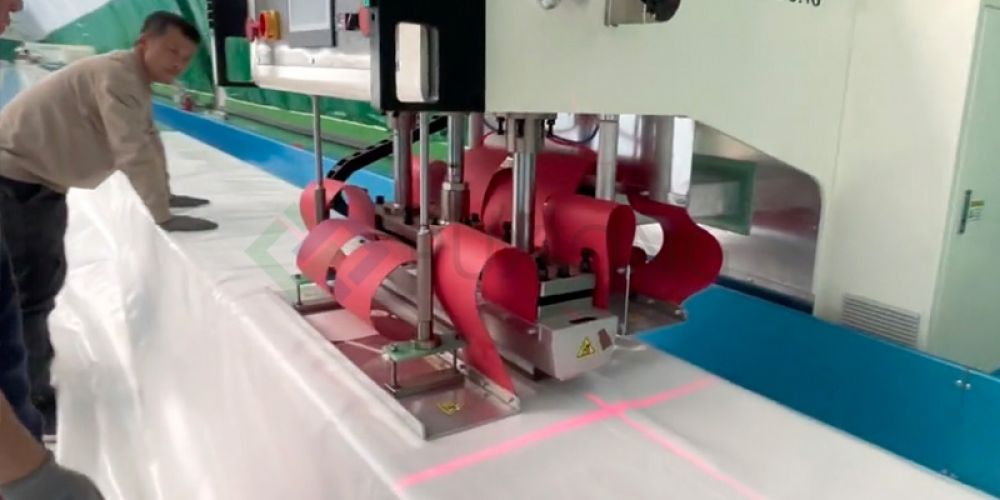
In the field of modern architecture, the construction of large-scale venues requires not only meeting functional…
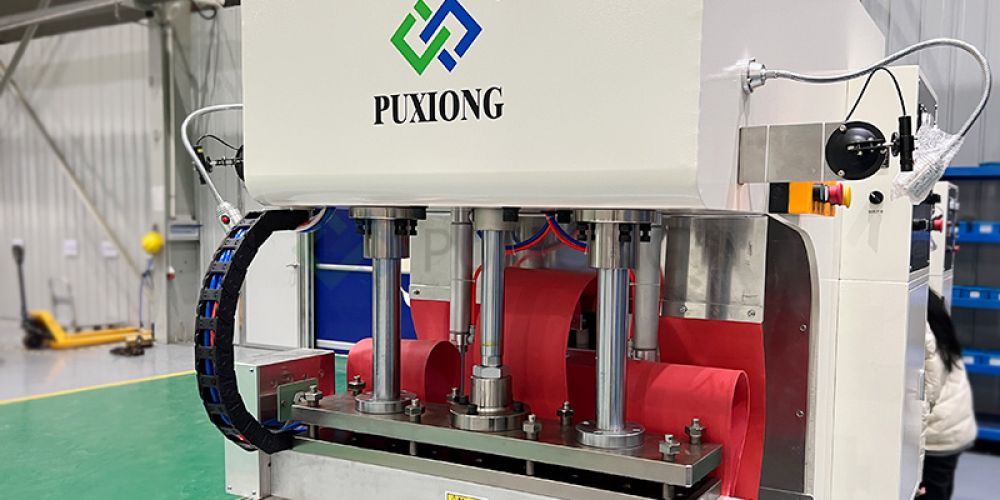
The advantages of high-frequency welding for tensile membrane structures primarily include the following aspects: 1. **Simple…
.jpg)
Welded tensile membrane structures are widely used in landscape architecture and offer significant advantages. The following…

Gas storage bags play a vital role in industrial production by storing gases, regulating pressure, enhancing…