

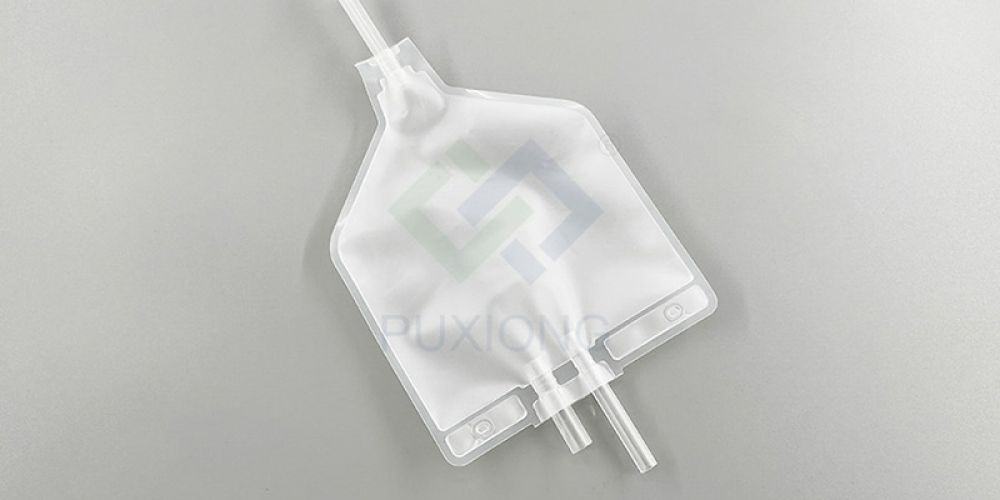
High-frequency welding technology is widely used in the production of large-volume infusion bags. It achieves the fusion of plastic materials through high-frequency electric field heating, offering advantages such as high efficiency, precision, and strong sealing, making it a key process for ensuring drug safety. The following section introduces its application scenarios, technological advantages, quality control, and industry trends:
I. Core Application Scenarios of High-Frequency Welding in Large-Volume Infusion Bags
1. Welding of the Infusion Bag Body
High-frequency welding uses the heat generated by high-frequency vibration to melt and press together plastic films such as PVC, PET, and PE, forming the main structure of the infusion bag. For example, the welding of a 500ml infusion bag requires precise control of temperature and pressure to ensure that the weld tensile strength reaches over 12N/15mm, far exceeding industry standards, preventing leakage during infusion.
2. Connection of Tubes and Bag Body
Components of the infusion bag, such as the drip chamber, filter, and tubing, require high-frequency welding for airtight connections.
3. Welding of Special Functional Bags
For drugs requiring protection from light or moisture, high-frequency welding can achieve seamless bonding of multi-layer composite materials (such as PVC/aluminum foil/PE). For example, a company developed an aluminum foil composite film infusion bag that uses high-frequency welding to firmly bond the aluminum foil layer to the plastic layer, reducing oxygen permeability to a low level and effectively extending the shelf life of the medicine.
II. Core Advantages of High-Frequency Welding Technology
1. High Efficiency and Precision: High-frequency welding has a short time, suitable for mass production.
2. Strong Sealing: By precisely controlling temperature and pressure, high-frequency welding can achieve a weld strength of over 80% of the material's own strength.
3. Strong Material Adaptability: High-frequency welding can process pure PVC or composite materials containing more than 30% PVC (such as PVC/PE, PVC/aluminum foil), and can even weld thinner films, meeting the needs of precision medical packaging.
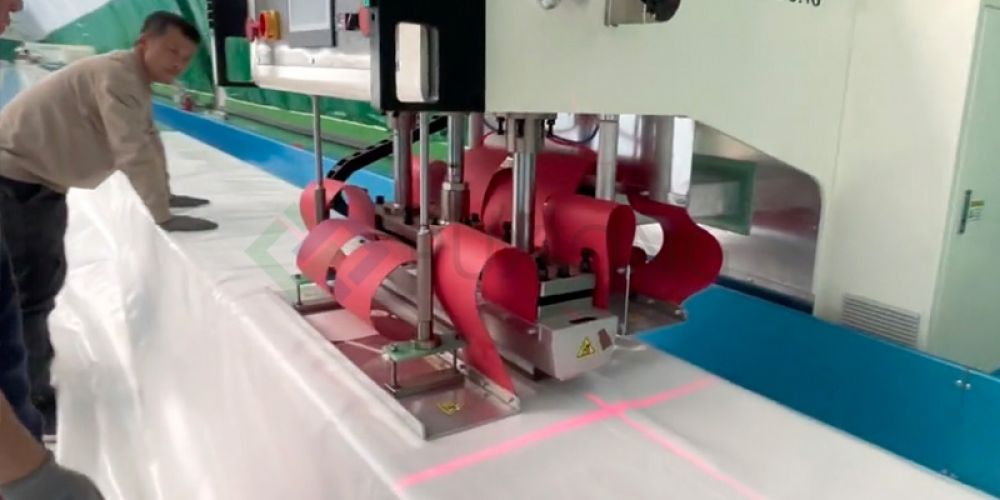
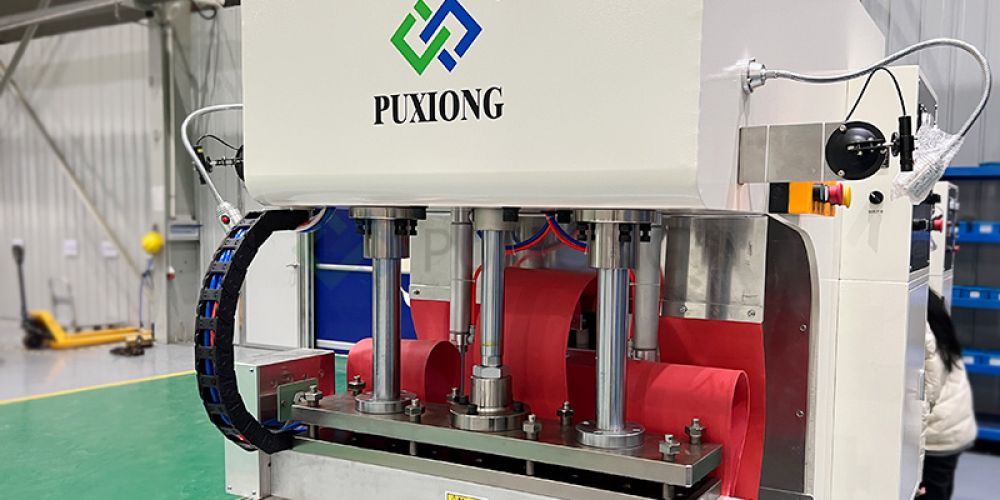
4. High Degree of Automation: High-frequency welding equipment can integrate automatic feeding, welding, inspection, and unloading functions, achieving full-process automation. For example, a rotary high-frequency welding machine operates through four sets of molds in a cyclical manner, reducing single-line labor costs and increasing production capacity.
.jpg)
The applications of PVDF membrane materials—involving processes such as coating, sanding, and welding—in the environmental protection…
.jpg)
I. Advantages of Grinding and Welding PVDF-Coated Membrane Fabric 1. Improved Weldability: Grinding removes the surface…
In the field of modern architecture, the construction of large-scale venues requires not only meeting functional…
The advantages of high-frequency welding for tensile membrane structures primarily include the following aspects: 1. **Simple…
.jpg)
Welded tensile membrane structures are widely used in landscape architecture and offer significant advantages. The following…

Gas storage bags play a vital role in industrial production by storing gases, regulating pressure, enhancing…