

.jpg)
In the medical field, blood is a critical life-saving resource, and blood bags, as containers for storing and transporting blood, directly affect the safety and efficacy of the blood. High-quality blood bags possess superior characteristics in materials, design, manufacturing processes, and quality control, providing a solid guarantee for blood safety.
I. Superior Materials
1. Excellent Biocompatibility: High-quality blood bags typically use materials with excellent biocompatibility, such as polyethylene (PE). These materials do not cause adverse reactions when in contact with blood and do not damage the cellular components (such as red blood cells, white blood cells, and platelets) or bioactive substances (such as clotting factors and plasma proteins) in the blood. For example, PE material is non-toxic and odorless, and does not release harmful substances into the blood, ensuring the purity and safety of the blood.
2. Strong Chemical Stability: They can resist the chemical reactions of various components in the blood, as well as the effects of disinfectants, drugs, etc., that may come into contact with the blood during storage. During long-term storage, no chemical reactions will occur that cause the blood bag to deteriorate or the blood composition to change. For example, when storing blood containing anticoagulants, the blood bag material does not react with the anticoagulant, ensuring the anticoagulant effect and blood quality.
3. Good Physical Properties: Possessing sufficient strength and flexibility, it can withstand external forces such as compression and impact during storage and transportation, and is not easily broken or leaked. At the same time, the blood bag has good sealing performance, effectively preventing the entry of external air, bacteria, and contaminants, maintaining the sterility of the blood.
II. Scientific Design
1. Reasonable Capacity Specifications: Various capacity specifications of blood bags are provided to meet different blood collection and transfusion needs. For example, common sizes include 200ml, 300ml, and 400ml, allowing medical staff to choose according to the patient's specific situation, avoiding blood waste or insufficiency.
2. User-Friendly Interface Design: The blood bag interface design conforms to ergonomic principles, facilitating blood collection, transfusion, and blood component separation operations for medical staff. The interface has good sealing performance, a secure connection, and is not easily detached, reducing the risk during operation. For example, some blood bags use interfaces with protective caps to effectively prevent contamination.
3. Clear Labeling System: Blood bags are printed with clear and accurate labels, including important information such as the blood collection date, blood type, expiration date, and donor number. These labels are made of durable, waterproof materials that are not easily faded or blurred, facilitating verification and identification by medical personnel at each stage to ensure the correct use of the blood.
III. Advanced Production Processes
1. Sterile Production Environment: High-quality blood bags are produced in a strictly sterile environment using advanced purification technology and equipment to ensure that no microbial contamination is introduced during the production process. The production workshop meets high cleanliness standards, with air undergoing multiple filtrations, and personnel undergoing strict disinfection and changing procedures before entering the workshop.
2. Precision Manufacturing Process: Advanced mold and molding technologies are used to ensure the dimensional accuracy and shape consistency of the blood bags. The blood bags have uniform wall thickness, smooth surfaces, and are free of defects such as bubbles and cracks, improving the quality and reliability of the blood bags. For example, injection molding and blow molding processes are used to ensure that all components of the blood bag are tightly combined and have good sealing performance. 3. Rigorous Quality Testing: During the production process, each batch of blood bags undergoes rigorous quality testing. Testing includes physical performance tests (such as tensile strength, tear strength, and sealing tests), chemical performance tests (such as leachate tests and heavy metal content tests), and biological performance tests (such as cytotoxicity tests and sensitization tests).
.jpg)
The applications of PVDF membrane materials—involving processes such as coating, sanding, and welding—in the environmental protection…
.jpg)
I. Advantages of Grinding and Welding PVDF-Coated Membrane Fabric 1. Improved Weldability: Grinding removes the surface…
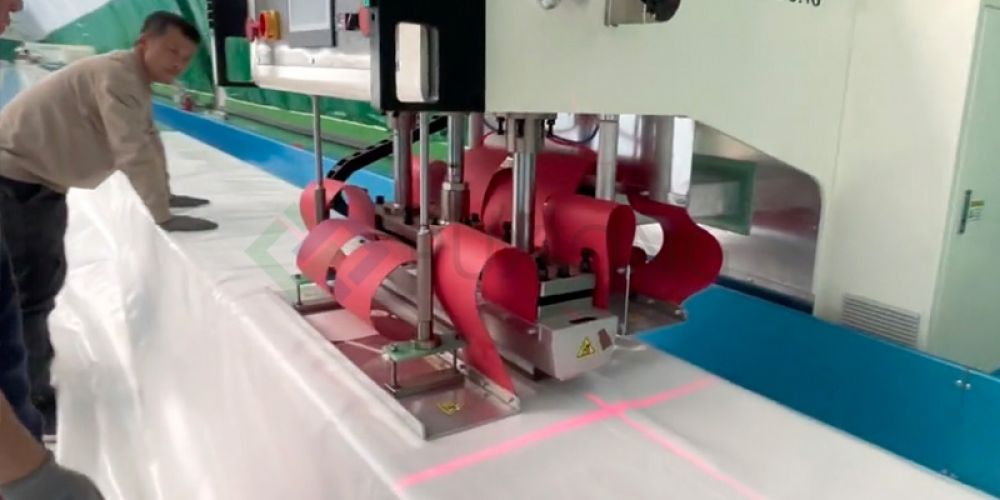
In the field of modern architecture, the construction of large-scale venues requires not only meeting functional…
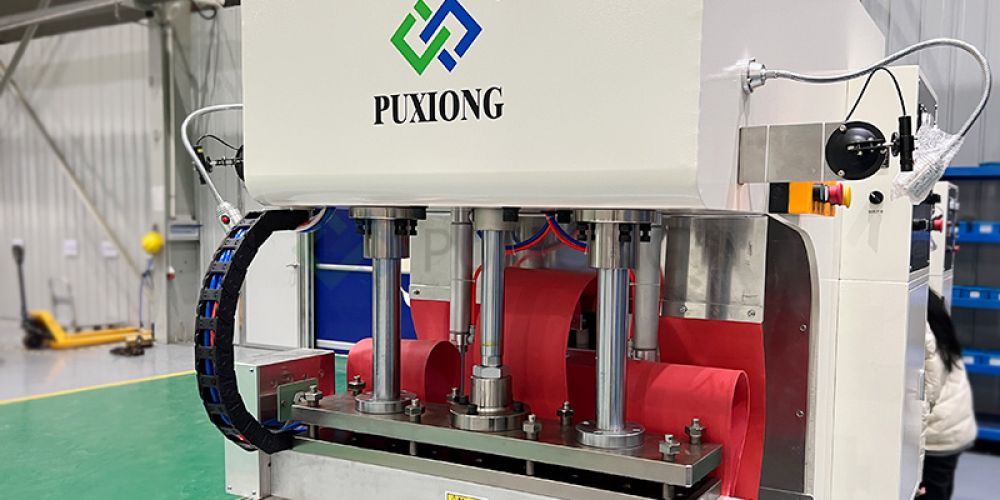
The advantages of high-frequency welding for tensile membrane structures primarily include the following aspects: 1. **Simple…
.jpg)
Welded tensile membrane structures are widely used in landscape architecture and offer significant advantages. The following…

Gas storage bags play a vital role in industrial production by storing gases, regulating pressure, enhancing…