

.jpeg)
Through molecular structure optimization and additive modification, TPU materials can overcome the -80℃ embrittlement problem, maintaining flexibility and elasticity at low temperatures, making them suitable for applications in low-temperature environments such as blood bags. The following is a detailed analysis:
The low-temperature toughness of TPU (thermoplastic polyurethane elastomer) is affected by factors such as molecular structure, the ratio of soft to hard segments, and additive modification. Ordinary TPU is prone to hardening and brittle fracture at low temperatures, but its low-temperature performance can be significantly improved by optimizing the molecular structure design (such as using polyether-type soft segments and reducing the proportion of hard segments) and adding additives (such as low-temperature plasticizers and antioxidants). For example, the embrittlement temperature of polyether-type TPU can reach below -80℃, and it can still maintain good flexibility and physical properties in environments ranging from -40℃ to -70℃.
Specifically, polyether-type TPU, due to the low regularity of polyether segments and low hydrogen bond density, exhibits more flexible chain segment movement at low temperatures, thus endowing the material with excellent low-temperature toughness. Furthermore, by introducing soft segments with low glass transition temperatures (Tg) (such as polytetrahydrofuran ether, Tg≈-73℃), the embrittlement temperature of the material can be further reduced. In terms of additive modification, adding low-temperature plasticizers such as dioctyl adipate (DOA) or dibutyl sebacate (DBS) can lower the glass transition temperature of the soft segments and improve low-temperature flexibility; compounding hindered phenolic antioxidants and phosphite stabilizers can prevent oxidative embrittlement during long-term low-temperature storage, extending shelf life.
For medical supplies such as blood bags that need to be stored and transported in low-temperature environments, the low-temperature toughness of TPU material is crucial. Through the above-mentioned molecular structure optimization and additive modification technologies, TPU material can maintain flexibility and elasticity at temperatures of -80℃ or even lower, effectively preventing blood bags from rupturing due to embrittlement at low temperatures, ensuring the safety and effectiveness of the blood.
.jpg)
The applications of PVDF membrane materials—involving processes such as coating, sanding, and welding—in the environmental protection…
.jpg)
I. Advantages of Grinding and Welding PVDF-Coated Membrane Fabric 1. Improved Weldability: Grinding removes the surface…
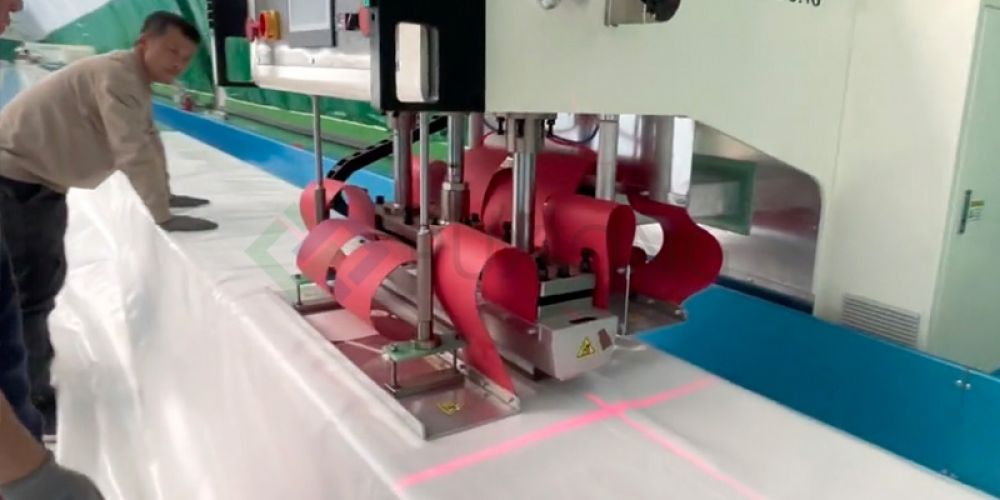
In the field of modern architecture, the construction of large-scale venues requires not only meeting functional…
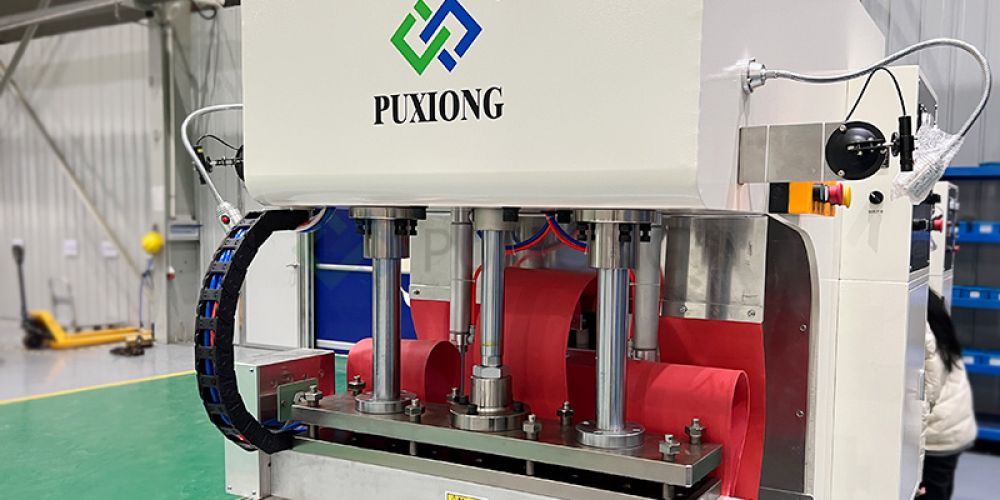
The advantages of high-frequency welding for tensile membrane structures primarily include the following aspects: 1. **Simple…
.jpg)
Welded tensile membrane structures are widely used in landscape architecture and offer significant advantages. The following…

Gas storage bags play a vital role in industrial production by storing gases, regulating pressure, enhancing…