

.png)
Blood bags achieve plasma and red blood cell separation through a centrifugal layer design, primarily based on the density differences of blood components. A centrifuge generates a centrifugal force field, causing components of different densities to settle at different velocities. The specific separation process and principle are as follows:
I. Separation Process
1. Blood Collection and Centrifugation Preparation: Place the collected blood sample into the centrifuge tube.
2. Centrifugation Operation: The high-speed rotation of the centrifuge generates a strong centrifugal force field, causing substances of different densities to move along the direction of the centrifugal force.
3. Component Stratification: Because the density of red blood cells (approximately 1.096 - 1.101 g/cm³) is greater than that of plasma (approximately 1.025 - 1.030 g/cm³), red blood cells experience a greater centrifugal force and settle to the bottom of the centrifuge tube at a faster rate. Plasma, with its relatively lower density, gradually accumulates at the top of the centrifuge tube during the red blood cell settling process. After centrifugation for a certain period, the blood sample will clearly separate into two layers: a pale yellow plasma layer on top and a dark red red blood cell layer at the bottom. There may also be a thin layer of grayish-white substance between the two layers, mainly composed of white blood cells and platelets.
II. Key Considerations for Centrifugation Layer Design
1. Centrifuge Selection and Parameter Settings: Use a low-temperature centrifuge with a swing-type cup to centrifuge the whole blood. The speed is typically around 5000×g, and the temperature is controlled at around 5℃ (specific time and conditions may vary depending on different equipment and operating procedures).
2. Blood Bag Design: Blood bags typically employ a multi-layered structure to maintain good morphological stability during centrifugation, ensuring that blood components separate normally under centrifugal force. Simultaneously, the material of the blood bag must be able to withstand the pressure and friction during centrifugation to prevent rupture or leakage.
3. Supporting Equipment and Operating Procedures: During centrifugation, it may be necessary to use equipment such as a blood bag squeezer to transfer and collect the upper plasma layer or the lower red blood cell layer. Strict adherence to aseptic techniques is required during the procedure to ensure the quality and safety of blood components.
.jpg)
The applications of PVDF membrane materials—involving processes such as coating, sanding, and welding—in the environmental protection…
.jpg)
I. Advantages of Grinding and Welding PVDF-Coated Membrane Fabric 1. Improved Weldability: Grinding removes the surface…
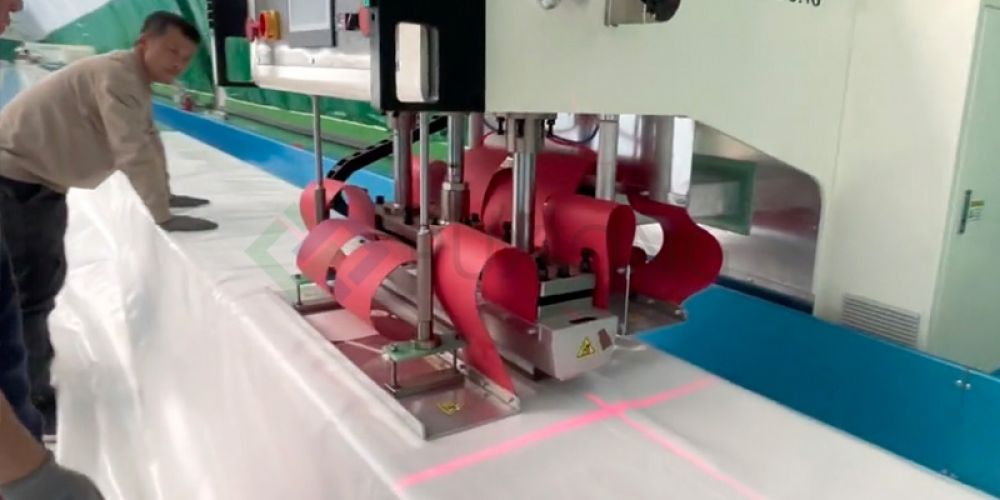
In the field of modern architecture, the construction of large-scale venues requires not only meeting functional…
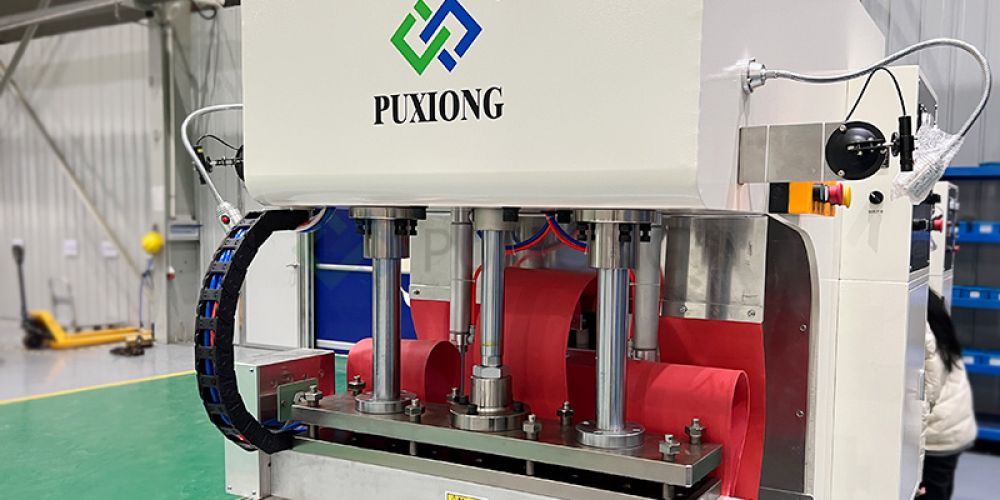
The advantages of high-frequency welding for tensile membrane structures primarily include the following aspects: 1. **Simple…
.jpg)
Welded tensile membrane structures are widely used in landscape architecture and offer significant advantages. The following…

Gas storage bags play a vital role in industrial production by storing gases, regulating pressure, enhancing…