

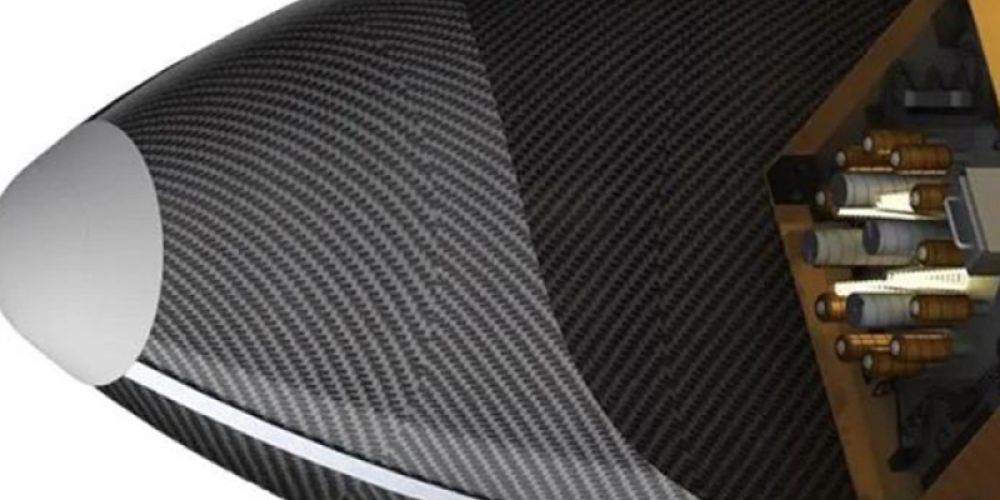
Composite materials have wide applications in the aerospace field, offering significant advantages. The following sections introduce their applications from three aspects: application scenarios, advantages, and specific examples:
I. Application Scenarios
1. Structural Components: Composite materials are used to manufacture critical structural components of aircraft, such as wings, fuselages, tail fins, landing gear, and engine nacelles. These components need to withstand various forces and stresses during flight, and the high strength and lightweight properties of composite materials make them an ideal choice.
2. Interior Components: Inside aircraft, composite materials are used to manufacture panels, floors, seat structures, and other components. Their lightweight properties help improve the aircraft's payload capacity and fuel efficiency.
3. Engine Components: Composite materials have permeated core components of aircraft engines, such as fan blades and casing materials. These components need to withstand extreme temperatures and stresses, and the high-temperature resistance and corrosion resistance of composite materials enable them to perform these tasks.
4. Spacecraft Components: In spacecraft, composite materials are used to manufacture components such as main cargo door, pressure vessels, and heat shields. These components need to meet stringent requirements for lightweight design and environmental stability.
II. Advantages
1. Lightweight: Composite materials, with their low density and high strength, can significantly reduce the weight of aerospace vehicles. This helps reduce fuel consumption, improve flight performance, and extend flight range.
2. High Strength and Stiffness: By combining high-strength fibers with a matrix material, composite materials possess excellent mechanical properties. They can withstand complex load conditions and maintain structural stability.
3. Corrosion and High-Temperature Resistance: Composite materials exhibit good corrosion resistance and high-temperature resistance, maintaining stable performance in harsh aerospace environments.
4. Design Flexibility: Composite materials can be customized to meet specific requirements of different components. This flexibility makes composite materials widely applicable in the aerospace field.
.jpg)
The applications of PVDF membrane materials—involving processes such as coating, sanding, and welding—in the environmental protection…
.jpg)
I. Advantages of Grinding and Welding PVDF-Coated Membrane Fabric 1. Improved Weldability: Grinding removes the surface…
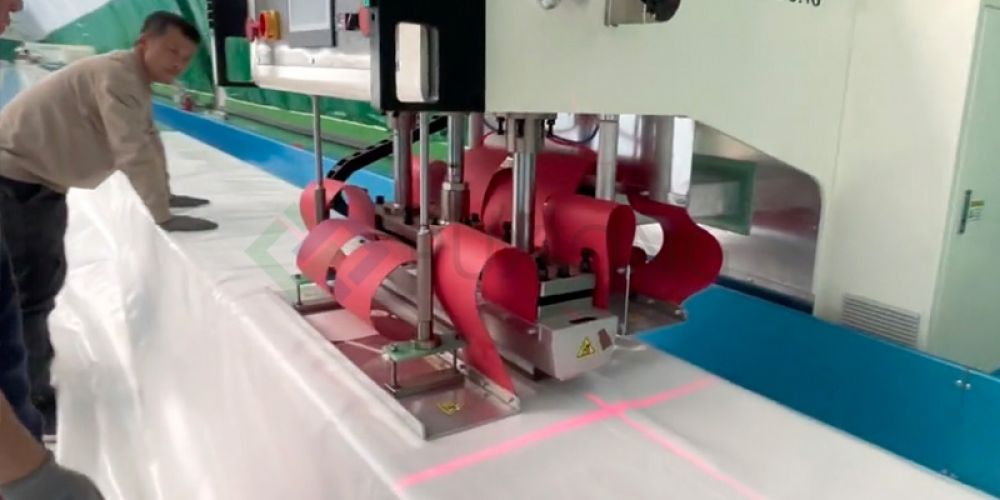
In the field of modern architecture, the construction of large-scale venues requires not only meeting functional…
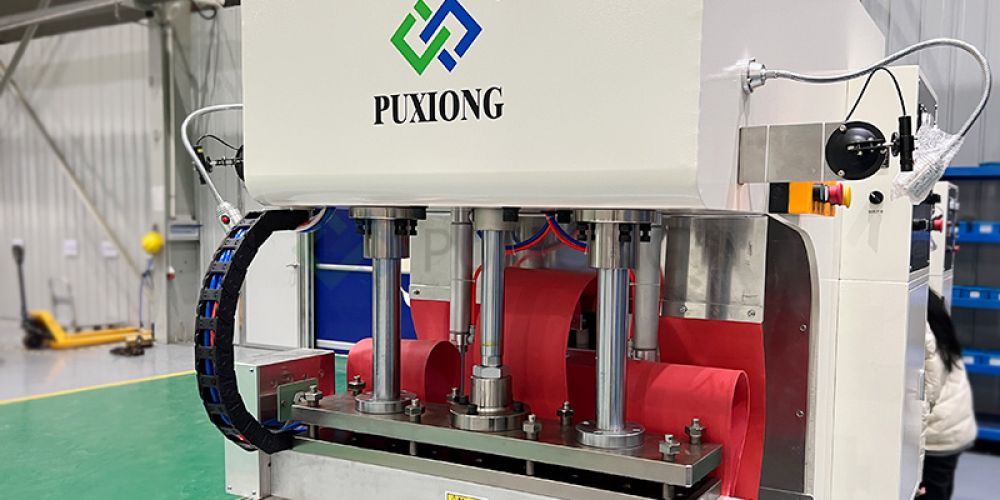
The advantages of high-frequency welding for tensile membrane structures primarily include the following aspects: 1. **Simple…
.jpg)
Welded tensile membrane structures are widely used in landscape architecture and offer significant advantages. The following…

Gas storage bags play a vital role in industrial production by storing gases, regulating pressure, enhancing…