

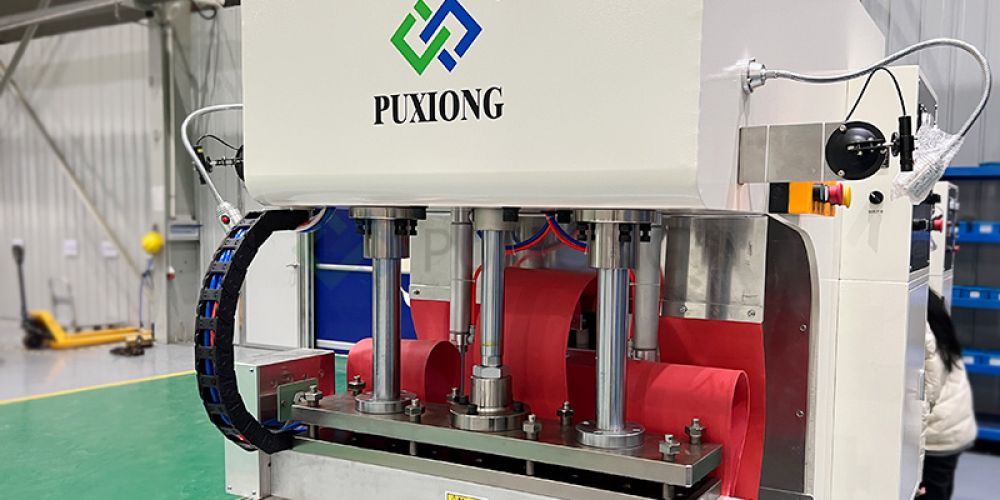
The advantages of high-frequency welding for tensile membrane structures primarily include the following aspects:
1. **Simple construction and diverse connection forms:** High-frequency welding allows for the direct joining of various component types without the need for complex connecting parts; the construction is simple and the connection methods are flexible, meeting the design requirements of various tensile membrane structures.
2. **Material efficiency and no cross-sectional weakening:** The process requires no additional connecting materials and does not compromise the cross-sectional strength of the components, allowing for optimal material utilization and enhancing the structure's overall strength and stability.
3. **Ease of fabrication and automation capability:** High-frequency welding equipment is easy to operate and offers high welding speeds, enabling automated production, improving construction efficiency, and shortening project timelines.
4. **Excellent connection tightness and high structural rigidity:** The welds produced are highly airtight, effectively preventing gas or liquid leakage; this improves the structure's sealing and durability while enhancing its overall rigidity.
5. **Superior weld microstructure and properties:** The process features rapid self-cooling and a narrow heat-affected zone (HAZ), minimizing oxidation; this results in welds with excellent microstructure and properties, avoiding issues such as overheating or incomplete penetration.
6. **High electrical energy utilization:** Utilizing friction contact or induction conduction, the process achieves high electrical energy efficiency, making it more energy-saving compared to other welding methods.
7. **High joint strength and narrow heat-affected zone:** The heat-affected zone is narrower than that of resistance welding, resulting in high joint strength; the absence of a cast microstructure reduces the occurrence of welding defects.
8. **Elimination of welding cracks:** During the upsetting or forging stage of the welding thermal cycle, molten metal is squeezed out of the joint, effectively eliminating low-melting-point phases that cause cracks and thereby improving weld quality.
9. **Minimal deformation when welding thin materials:** Suitable for thin materials, the process minimizes the risk of the workpiece buckling or collapsing; the resulting low deformation ensures the flatness and aesthetic appeal of the tensile membrane structure.
The advantages of high-frequency welding for tensile membrane structures primarily include the following aspects: 1. **Simple…
.jpg)
Welded tensile membrane structures are widely used in landscape architecture and offer significant advantages. The following…

Gas storage bags play a vital role in industrial production by storing gases, regulating pressure, enhancing…
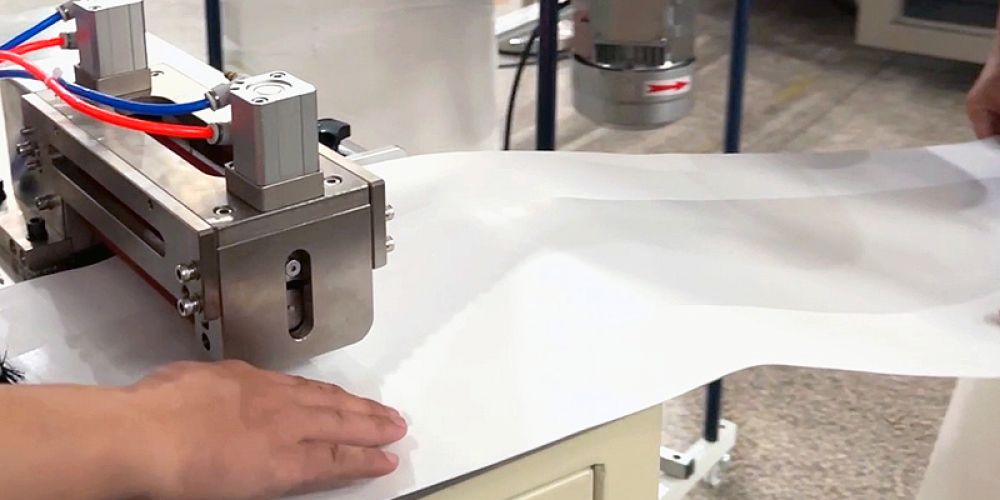
The welding process for PVDF-coated membrane fabrics offers significant competitive advantages over other welding methods, particularly…

I. Application Scenarios for Tensile Membrane Structures Due to their unique mechanical properties and aesthetic versatility…
I. Characteristics of Tensile Membrane Structures 1. Diverse forms and strong artistic appeal: Through the tensioning…