

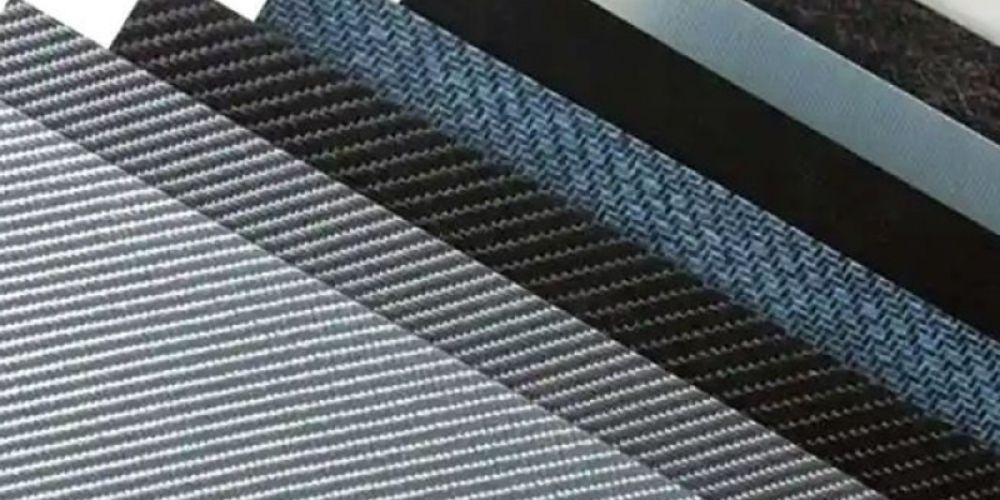
1. Superior Processing Performance
Melt-and-Reformable: Thermoplastic resins can be repeatedly melted after heating and solidified upon cooling, supporting various molding processes such as injection molding, extrusion, hot pressing, and 3D printing. The same material can be processed into complex shapes using different processes, such as automotive interior parts and electronic casings.
Rapid Prototyping: Injection molding cycles are short; for example, PA6 + GF products require only 1-2 minutes, suitable for mass production.
Recyclable: Waste products can be remelted and reprocessed, achieving a closed-loop material cycle, reducing waste emissions, and aligning with green manufacturing trends. Recycled materials can also partially replace virgin materials, reducing raw material costs. For example, recycling PP composite materials can reduce costs by 20%-30%.
2. Excellent Mechanical Properties
Lightweight: Through fiber reinforcement (such as glass fiber and carbon fiber), the strength and stiffness of the material are significantly improved while maintaining low density, only 1/5 to 1/4 the density of steel. This makes it suitable for automotive, aerospace, and other fields. For example, carbon fiber reinforced PEEK has a density of 1.4 g/cm³ and a tensile strength of 500 MPa.
Impact Resistance: The fiber toughening mechanism absorbs impact energy, making it suitable for safety protection components such as helmets and bulletproof plates. Fatigue Resistance: The stable bond between the thermoplastic matrix and the fiber interface allows it to withstand long-term alternating loads, with slow performance degradation under fatigue loads, making it suitable for high-reliability applications such as wind turbine blades and rail transportation.
3. Strong Environmental Adaptability
Corrosion Resistance: Thermoplastic resins (such as PPS and PEEK) are chemically inert, resisting corrosion from acids, alkalis, and organic solvents, making them suitable for harsh environments such as chemical pipelines, valves, and medical devices.
Damp Heat Resistance: Some thermoplastic resins (such as PPS and PAI) have low moisture absorption and stable performance in humid and hot environments, allowing for long-term use in marine and high-temperature, high-humidity environments, such as offshore wind turbine blade skins.
4. High Design Freedom
Functional Integration: Injection molding, extrusion, and other processes can process thin-walled, hollow, and irregularly shaped structures, integrating multiple components into a single product, such as automotive front-end modules integrating radiators, bumpers, and lamp brackets.
Simplified Connections: Metal inserts can be directly embedded into the product during injection molding, achieving structural integration, reducing assembly steps, and improving production efficiency. Examples include embedding nuts and conductive contacts into electronic device housings.
5. High Production Efficiency
Short Molding Cycle: Injection molding requires no curing time; demolding is possible after cooling. A single machine can produce thousands of pieces per day, such as in mobile phone frame injection molding lines.
High Automation: It can be integrated with robots and vision inspection systems to achieve full-process automation, reducing manual intervention and increasing the yield rate to over 99%.
.jpg)
The applications of PVDF membrane materials—involving processes such as coating, sanding, and welding—in the environmental protection…
.jpg)
I. Advantages of Grinding and Welding PVDF-Coated Membrane Fabric 1. Improved Weldability: Grinding removes the surface…
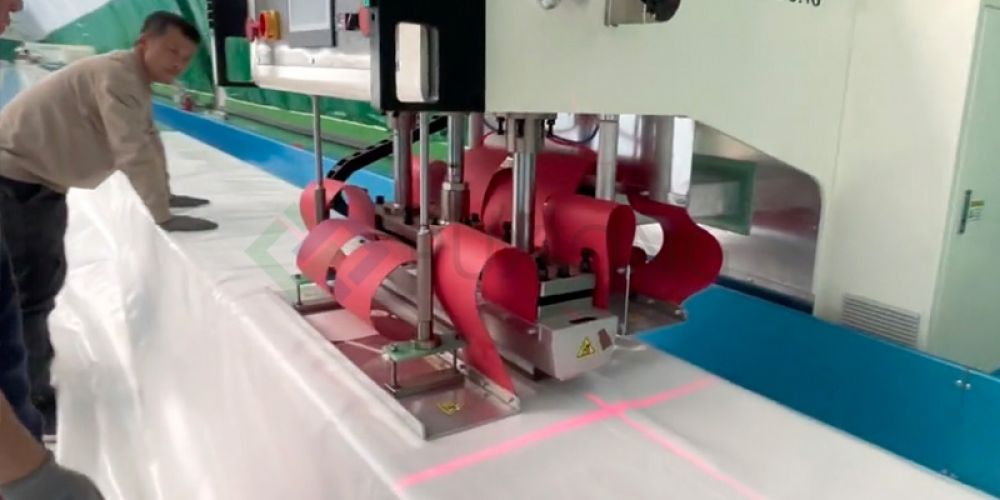
In the field of modern architecture, the construction of large-scale venues requires not only meeting functional…
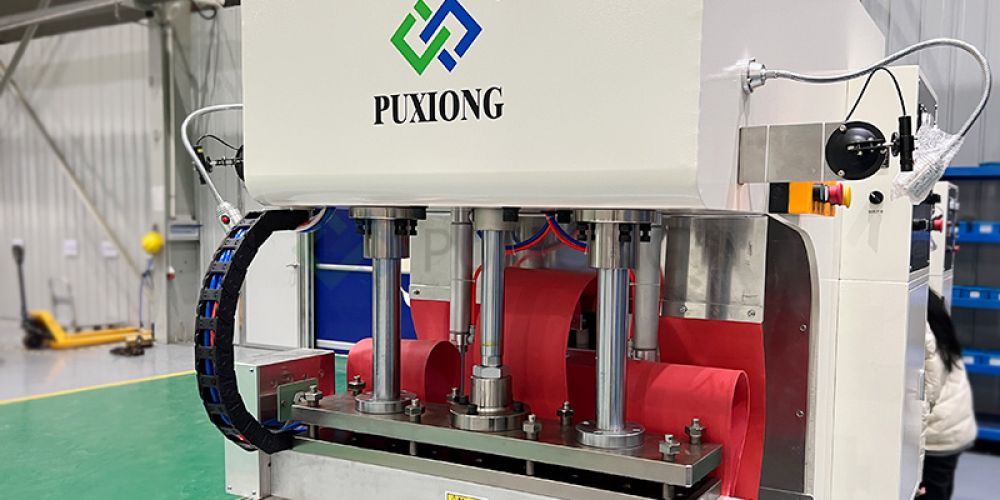
The advantages of high-frequency welding for tensile membrane structures primarily include the following aspects: 1. **Simple…
.jpg)
Welded tensile membrane structures are widely used in landscape architecture and offer significant advantages. The following…

Gas storage bags play a vital role in industrial production by storing gases, regulating pressure, enhancing…