

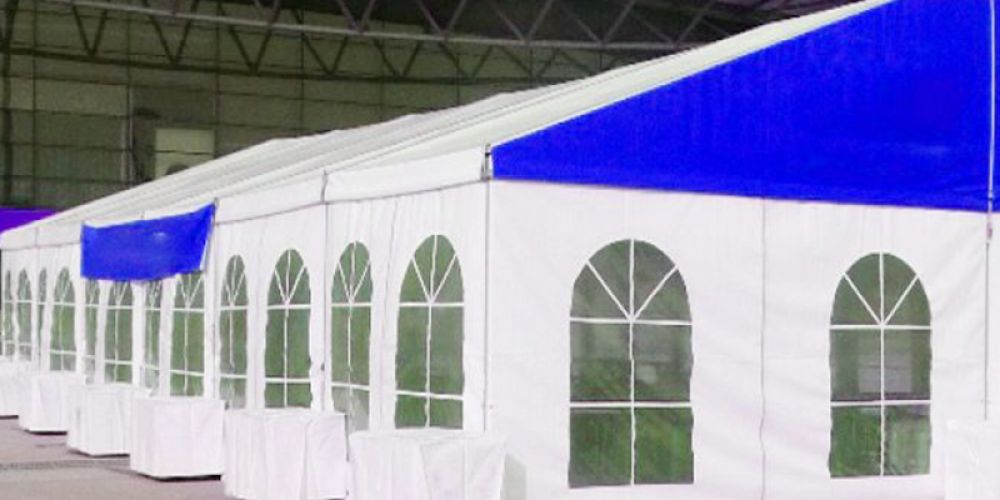
Heat-sealing technology for tent fabrics achieves molecular-level bonding through high-frequency dielectric heating or hot-air pressure processes. Characterized by high strength, superior airtightness, and high production efficiency, it is widely used in industrial manufacturing, emergency relief, outdoor engineering, and civil applications. Below is an analysis of specific application scenarios and technical advantages:
**I. Industrial Manufacturing Sector**
1. Large-scale Storage Tents
* **Application Scenarios:** Seaming fabrics for large tents used in logistics warehouses, temporary factories, open-air storage yards, etc.
* **Technical Advantages:** Heat-sealing technology allows for the welding of extra-wide fabric panels (e.g., 8–15 meters). The tensile strength of the weld seam exceeds 35 MPa, meeting the demands of heavy-load cargo storage while ensuring a 100% waterproof seal to prevent moisture damage.
2. Industrial Fabric Product Manufacturing
* **Application Scenarios:** Manufacturing industrial products such as truck tarpaulins, waterproof membranes, and container covers.
* **Technical Advantages:** High-frequency heat-sealing machines achieve welding speeds of 15–20 meters per minute—more than three times the efficiency of traditional sewing methods. Additionally, the weld seams are free of needle holes and offer 50% greater corrosion resistance.
**II. Emergency Relief and Military Sectors**
1. Emergency Disaster Relief Tents
* **Application Scenarios:** Setting up temporary shelters and medical stations during disasters such as earthquakes and floods.
* **Technical Advantages:** Heat-sealed fabrics can be rapidly welded into shape. The structural integrity withstands extreme weather conditions, including Force 7 winds and heavy rain, while the airtight weld seams prevent the infiltration of toxic gases and rainwater.
2. Military Field Tents
* **Application Scenarios:** Military field training and the setup of command posts.
* **Technical Advantages:** Fabrics feature infrared- and radar-blocking coatings; the heat-sealing process ensures no electromagnetic signal leakage at the seams. The technology also supports rapid deployment requirements (assembly time of ≤30 minutes per tent unit).
**III. Outdoor Engineering and Landscape Sectors**
1. Membrane-structure Carports and Landscape Canopies
* **Application Scenarios:** Sunshades for commercial plazas, viewing platforms at scenic spots, protective shelters for EV charging stations, etc. Technical Advantages: Heat-sealing technology ensures a seamless bond between the membrane material and the steel or aluminum alloy framework, resulting in smooth, aesthetically pleasing seams. Light transmission is controllable (e.g., ETFE membrane seams achieve ≥90% light transmission), combining functionality with decorative appeal.
2. Inflatable Amusement Equipment
Application Scenarios: Water park inflatable slides, children's trampolines, inflatable castles, etc.
Technical Advantages: Heat-sealing technology enables the composite welding of multiple layers of membrane material. The seams withstand pressures of up to 0.3 MPa, meeting the high-pressure requirements of inflatable equipment, while remaining soft to the touch and safe for the skin.
.jpg)
The applications of PVDF membrane materials—involving processes such as coating, sanding, and welding—in the environmental protection…
.jpg)
I. Advantages of Grinding and Welding PVDF-Coated Membrane Fabric 1. Improved Weldability: Grinding removes the surface…
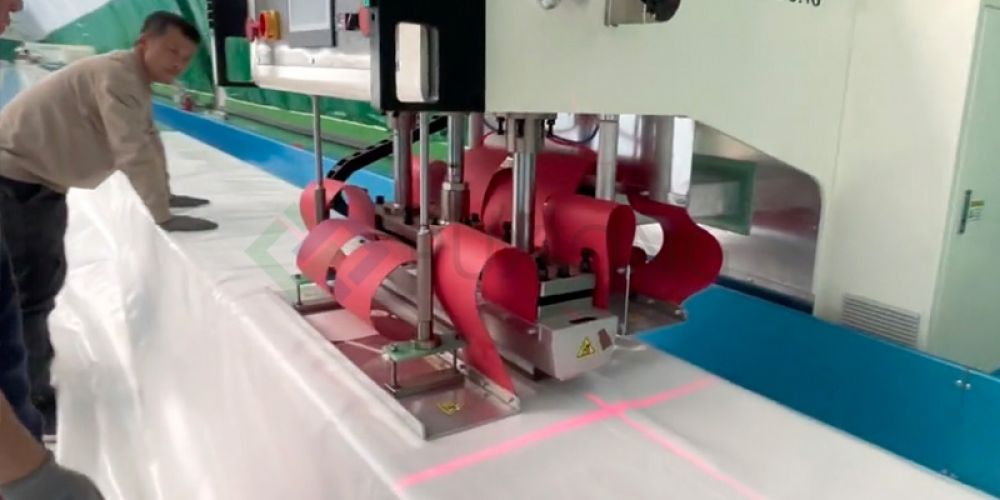
In the field of modern architecture, the construction of large-scale venues requires not only meeting functional…
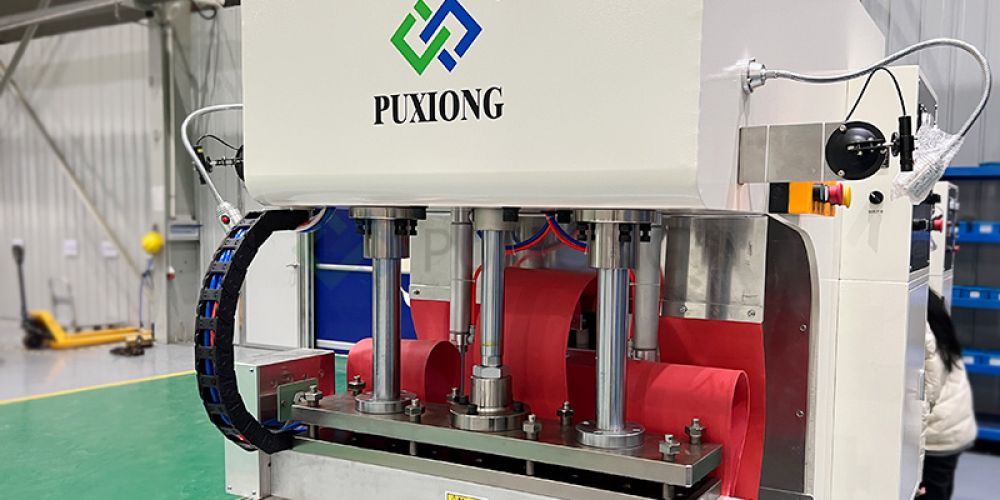
The advantages of high-frequency welding for tensile membrane structures primarily include the following aspects: 1. **Simple…
.jpg)
Welded tensile membrane structures are widely used in landscape architecture and offer significant advantages. The following…

Gas storage bags play a vital role in industrial production by storing gases, regulating pressure, enhancing…