

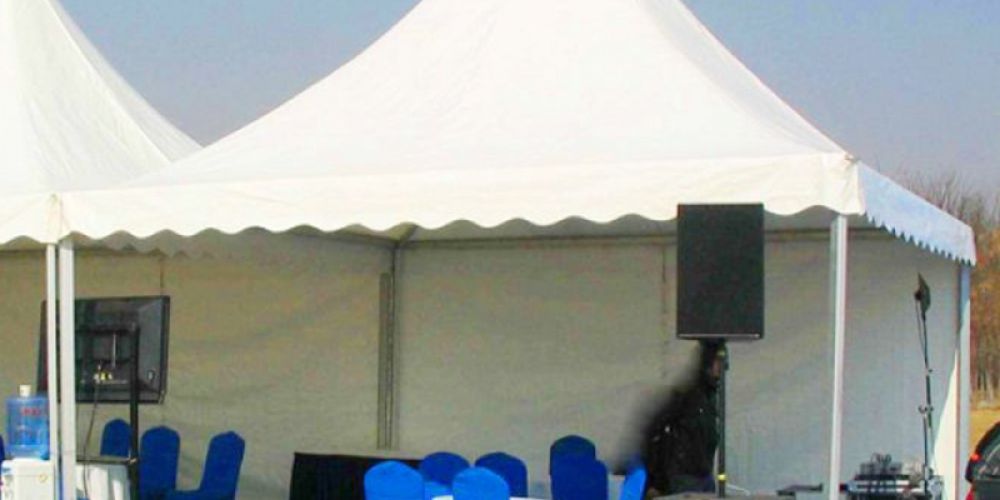
Classification and Characteristics of Tarpaulin Materials
I. PVC-Coated Fabric
1. Material Composition: Uses high-strength polyester filament as the base fabric; liquid PVC paste is coated on both sides, then dried and plasticized to form an integrated structure.
2. Key Advantages
Physical Properties: High tensile strength (tear resistance ≥80N/5cm); resistant to UV radiation, aging, and weathering; smooth surface with a soft texture.
Protective Functions: Waterproof and leak-proof; fire-retardant (meets B1/M2 standards); mold-resistant; excellent flame retardancy; available in various colors with superior self-cleaning properties.
Application Scenarios: Suitable for industrial storage tents, large exhibition tents, emergency relief tents, etc.; meets requirements for heavy-duty, long-term outdoor use.
II. Polyester Fabric
1. Material Characteristics: Lightweight and flexible; easy to transport and set up.
2. Application Scenarios: Suitable for lightweight tents, temporary sunshades, and other applications where low weight and portability are prioritized.
III. Transparent PVC Fabric
1. Material Characteristics: High light transmission (≥90%); offers both waterproof and UV-resistant properties.
2. Application Scenarios: Suitable for commercial exhibition tents, landscape membrane structures, and other settings requiring natural lighting.
IV. Other Specialty Materials
1. TPU-Coated Fabric: Features excellent abrasion resistance, low-temperature resistance, and elasticity; suitable for high-end outdoor tents, inflatable amusement facilities, etc.
2. PTFE/PVDF-Coated Fabric: Features self-cleaning, backlit, and UV-resistant properties; suitable for long-term outdoor membrane structure architecture.
.jpg)
The applications of PVDF membrane materials—involving processes such as coating, sanding, and welding—in the environmental protection…
.jpg)
I. Advantages of Grinding and Welding PVDF-Coated Membrane Fabric 1. Improved Weldability: Grinding removes the surface…
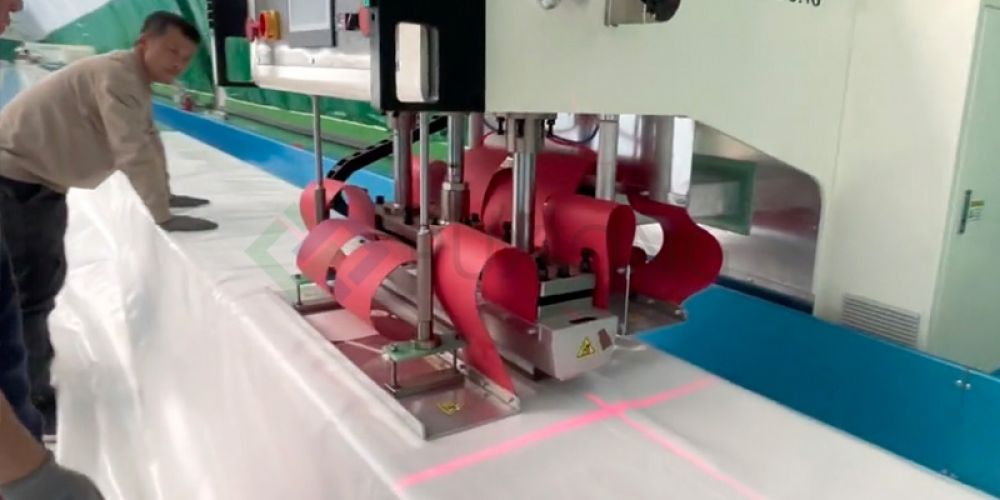
In the field of modern architecture, the construction of large-scale venues requires not only meeting functional…
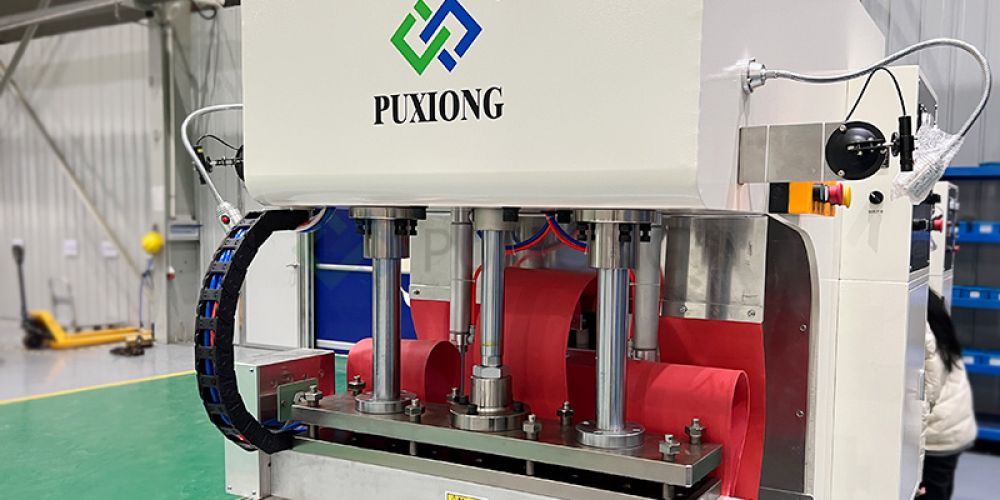
The advantages of high-frequency welding for tensile membrane structures primarily include the following aspects: 1. **Simple…
.jpg)
Welded tensile membrane structures are widely used in landscape architecture and offer significant advantages. The following…

Gas storage bags play a vital role in industrial production by storing gases, regulating pressure, enhancing…