

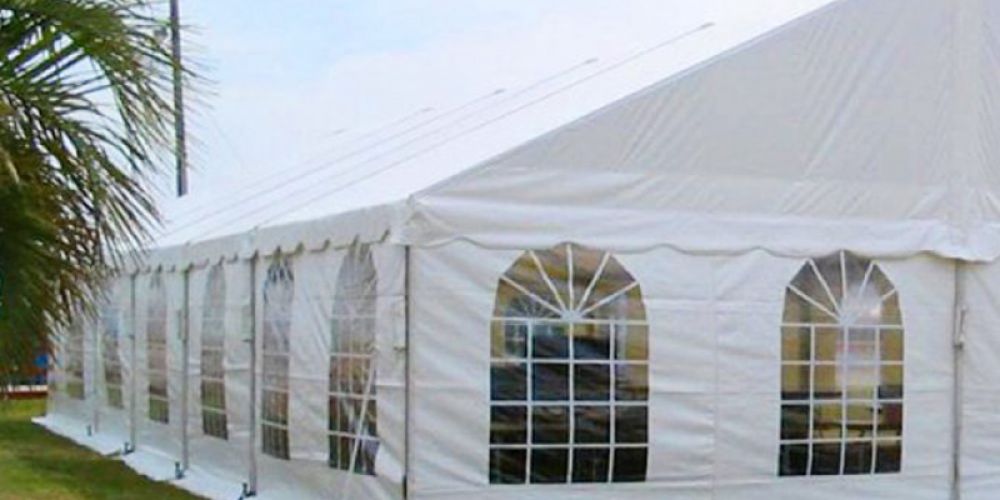
When heat-sealing tent fabrics, significant differences exist between high-frequency heat-sealing machines and hot-air welding machines regarding heating principles, welding efficiency, material suitability, equipment costs, operational complexity, and weld quality. Details are as follows:
I. Heating Principles
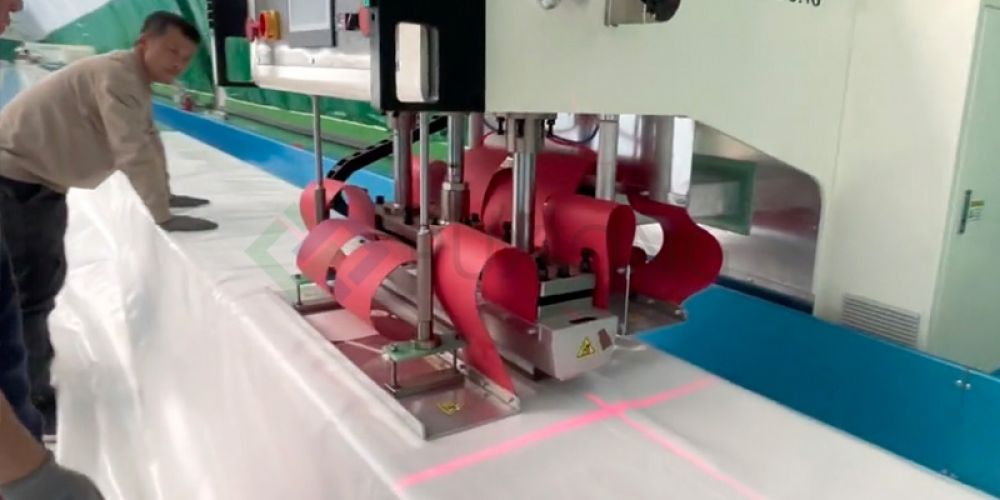
High-frequency heat-sealing machine: Utilizes a high-frequency electromagnetic field to induce polarization friction among polar molecules within the material; heating occurs internally, achieving molecular-level fusion.
Hot-air welding machine: Heats the fabric edges using a hot-air gun or generator to melt the coating material before bonding under pressure; this is an external heating method.
II. Welding Efficiency
High-frequency heat-sealing machine: Welding speeds can reach 15–20 meters per minute; suitable for large-scale production with high efficiency.
Hot-air welding machine: Welding speeds are relatively slow; suitable for small-scale or precision welding with lower efficiency.
III. Material Suitability
High-frequency heat-sealing machine: Most effective for plastic fabrics containing polar molecules (such as PVC); not suitable for non-polar materials (e.g., pure PP or PE).
Hot-air welding machine: Suitable for a wide range of plastic fabrics, including PVC, TPU, and PE, though there are specific requirements regarding material thickness and melting point.
IV. Equipment Costs
High-frequency heat-sealing machine: Higher equipment cost; suitable for enterprises engaged in long-term, large-scale production.
Hot-air welding machine: Lower equipment cost; suitable for small-scale production or enterprises with limited budgets.
.jpg)
The applications of PVDF membrane materials—involving processes such as coating, sanding, and welding—in the environmental protection…
.jpg)
I. Advantages of Grinding and Welding PVDF-Coated Membrane Fabric 1. Improved Weldability: Grinding removes the surface…
In the field of modern architecture, the construction of large-scale venues requires not only meeting functional…
The advantages of high-frequency welding for tensile membrane structures primarily include the following aspects: 1. **Simple…
.jpg)
Welded tensile membrane structures are widely used in landscape architecture and offer significant advantages. The following…

Gas storage bags play a vital role in industrial production by storing gases, regulating pressure, enhancing…