

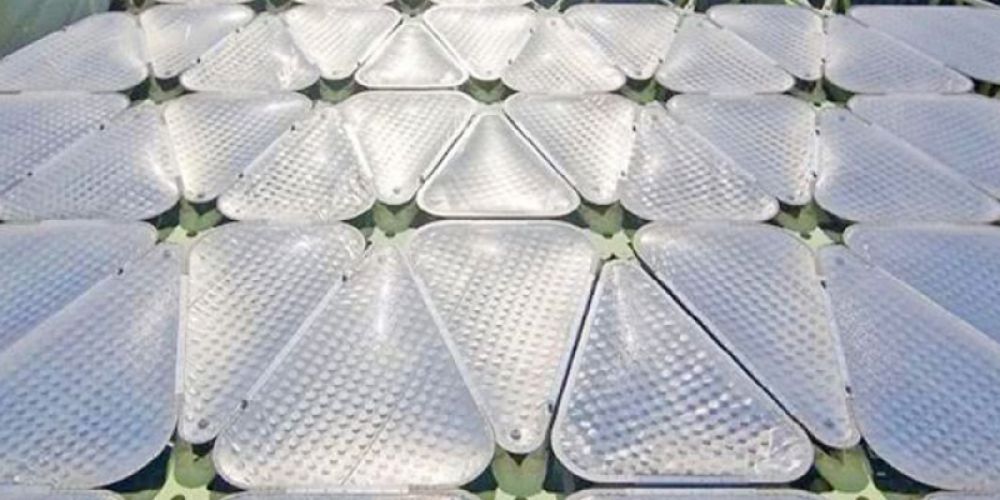
I. Differences in Material Properties
1. Structure and Physical Properties
ETFE: Ethylene-tetrafluoroethylene copolymer; dense, non-porous structure; thickness of 0.1–0.25 mm; light transmission up to 95%; tensile strength of 45 MPa; chemically resistant (except to strong oxidizing acids); melting point approx. 270°C.
PTFE: Polytetrafluoroethylene; porous structure; thickness of 0.2–0.3 mm; light transmission approx. 13%; tensile strength of 30 MPa; extremely chemically resistant (except to molten alkali metals); melting point approx. 327°C.
2. Processing Characteristics
ETFE: Thermoplastic material; processable via conventional thermoplastic methods such as injection molding and extrusion; heat-sealing temperature range of 290–340°C.
PTFE: Non-thermoplastic material; requires sintering for forming; difficult to heat-seal; necessitates special processes (e.g., hot-press welding) and equipment.
II. Comparison of Heat-Sealing Process Parameters
1. Temperature Control
ETFE: Heat-sealing temperature of 290–340°C; requires uniform heating to avoid material decomposition or deformation.
PTFE: Heat-sealing temperature usually exceeds 340°C; requires precise control to prevent material degradation caused by overheating.
2. Pressure and Time
ETFE: Pressure of approx. 10 N; sealing speed of 10–15 cm/min; requires rapid cooling to set the seam.
PTFE: Requires higher pressure and longer duration; hot-press welding necessitates slow cooling to avoid stress cracking.
3. Heat-Sealing Methods
ETFE: Primarily high-frequency welding and hot-air welding; suitable for large-area membrane materials with complex shapes.
PTFE: Primarily hot-press welding and hot/cold cycle welding (thermal impulse/cooling bar technology); suitable for small-area seams requiring high strength.
III. Differences in Equipment Design
1. Heating System
ETFE Heat-Sealing Machine: Utilizes high-frequency electromagnetic fields or hot-air circulation systems; offers high temperature uniformity.
PTFE Heat-Sealing Machine: Equipped with high-temperature heating plates and pressure regulation devices; offers higher temperature control precision. 2. Pressure Regulation
ETFE equipment: Offers a wide pressure adjustment range, accommodating membrane materials of varying thicknesses.
PTFE equipment: Requires finer pressure control to prevent material rupture caused by excessive pressure.
3. Safety and Protection
ETFE equipment: Requires ventilation systems to exhaust small amounts of harmful gases.
PTFE equipment: Requires stricter ventilation and protective measures, as the heat-sealing process may generate larger quantities of harmful gases.
.jpg)
The applications of PVDF membrane materials—involving processes such as coating, sanding, and welding—in the environmental protection…
.jpg)
I. Advantages of Grinding and Welding PVDF-Coated Membrane Fabric 1. Improved Weldability: Grinding removes the surface…
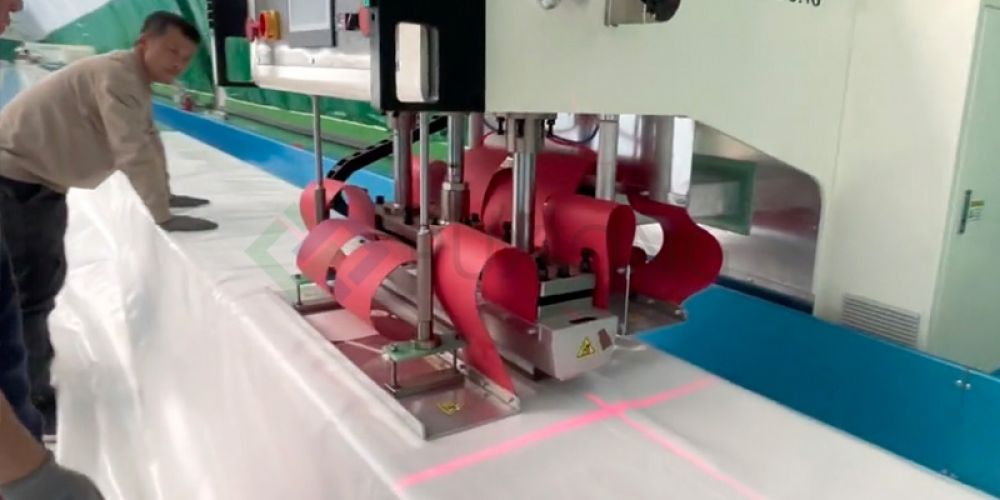
In the field of modern architecture, the construction of large-scale venues requires not only meeting functional…
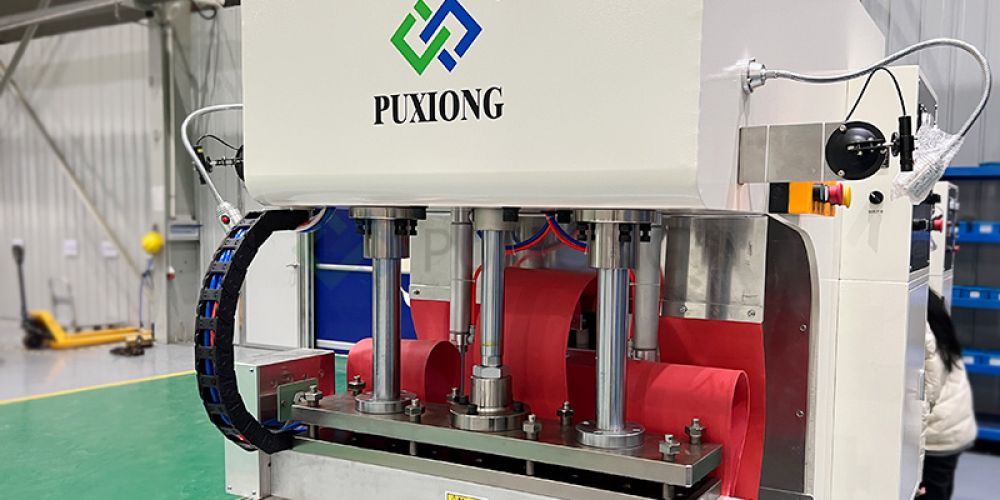
The advantages of high-frequency welding for tensile membrane structures primarily include the following aspects: 1. **Simple…
.jpg)
Welded tensile membrane structures are widely used in landscape architecture and offer significant advantages. The following…

Gas storage bags play a vital role in industrial production by storing gases, regulating pressure, enhancing…