

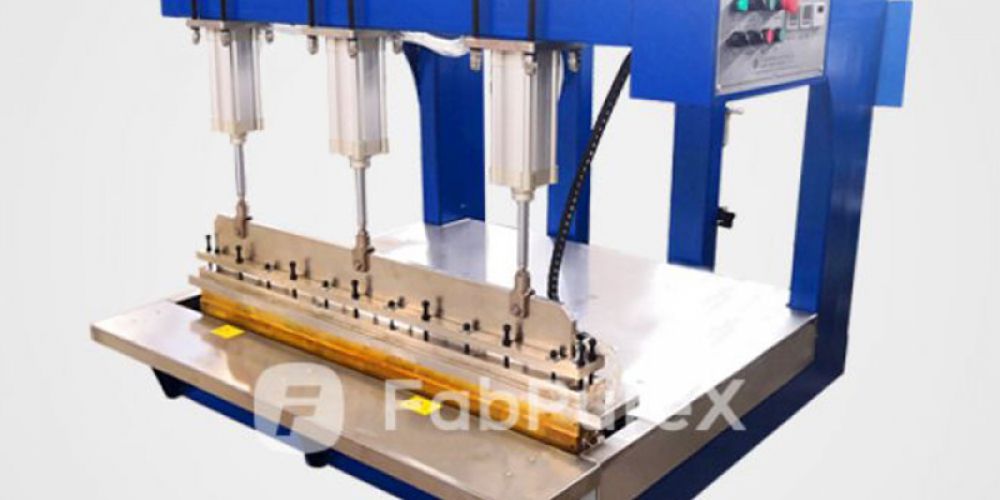
Heat-sealing machines for ETFE and PTFE membrane materials differ significantly in terms of material compatibility, equipment process design, and application scenarios, as detailed below:
I. Differences in Material Properties and Heat-Sealing Requirements
1. ETFE Membrane Material: ETFE (ethylene-tetrafluoroethylene copolymer) is a dense material characterized by high pressure resistance, corrosion resistance, and excellent light transmission (with a light transmittance of over 90%). Its heat-sealing temperature typically ranges from 290°C to 340°C; precise control of sealing pressure and duration is essential to ensure weld strength and airtightness.
2. PTFE Membrane Material: PTFE (polytetrafluoroethylene) is a porous material with high air and water permeability, yet it is relatively rigid and highly heat-resistant. Heat-sealing PTFE is more challenging, often requiring specialized processes (such as hot-press welding) and stricter control over temperature and pressure to prevent material deformation or damage.
II. Differences in Equipment Design and Processing Technology
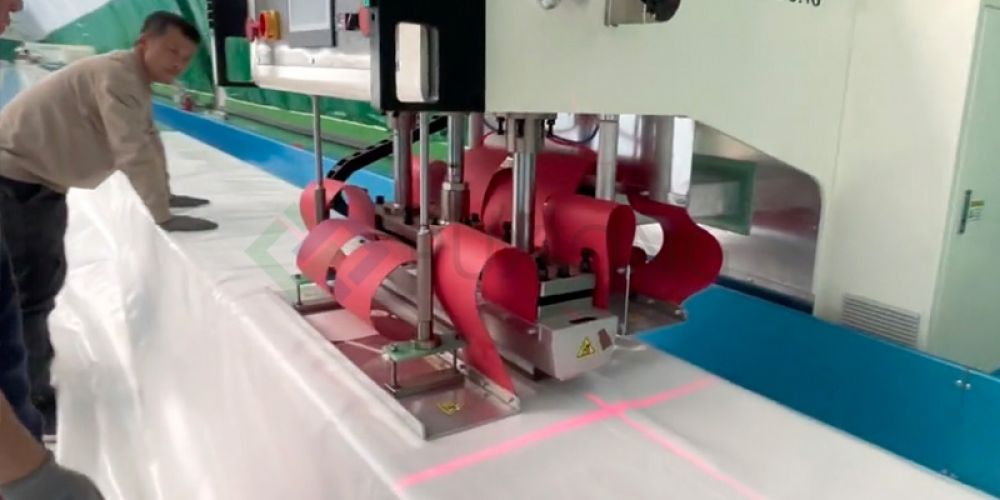
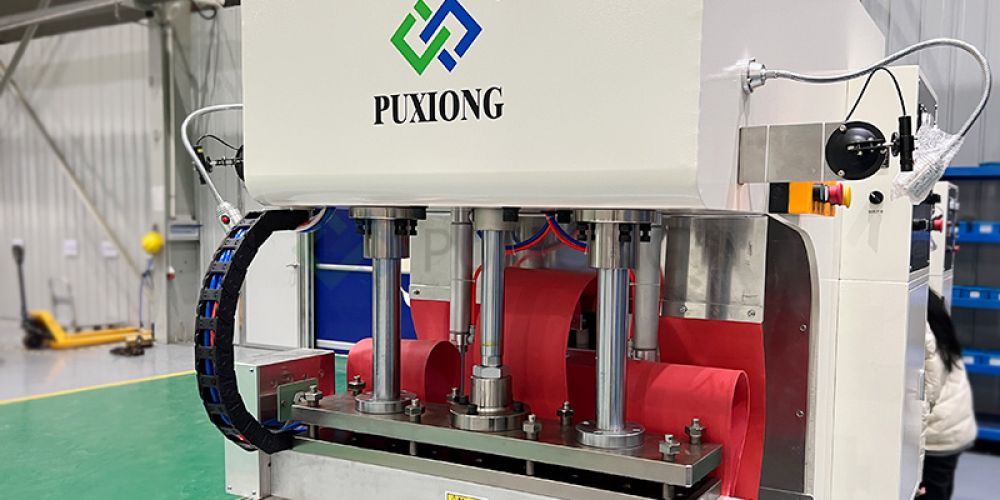
1. ETFE Heat-Sealing Machines: These machines typically employ high-frequency welding or hot-press welding technologies, with designs that prioritize temperature uniformity and pressure stability. For instance, the ETFE fully automatic track-mounted welding machine (Model FAB-A01C) from Shanghai Puxiong Industrial features efficient welding and precise control, making it suitable for heat-sealing large areas of ETFE membrane material.
2. PTFE Heat-Sealing Machines: These machines require more specialized process designs—such as "hot-and-cold blade" technology—to handle the high rigidity and low thermal conductivity of PTFE. For example, the PTFE membrane welding machine from Shanghai Puxiong Industrial Co., Ltd. utilizes a hot-and-cold blade structure; this design ensures rapid heating and cooling as well as strong weld integrity, making it ideal for processing PTFE membrane materials.
.jpg)
The applications of PVDF membrane materials—involving processes such as coating, sanding, and welding—in the environmental protection…
.jpg)
I. Advantages of Grinding and Welding PVDF-Coated Membrane Fabric 1. Improved Weldability: Grinding removes the surface…
In the field of modern architecture, the construction of large-scale venues requires not only meeting functional…
The advantages of high-frequency welding for tensile membrane structures primarily include the following aspects: 1. **Simple…
.jpg)
Welded tensile membrane structures are widely used in landscape architecture and offer significant advantages. The following…

Gas storage bags play a vital role in industrial production by storing gases, regulating pressure, enhancing…