

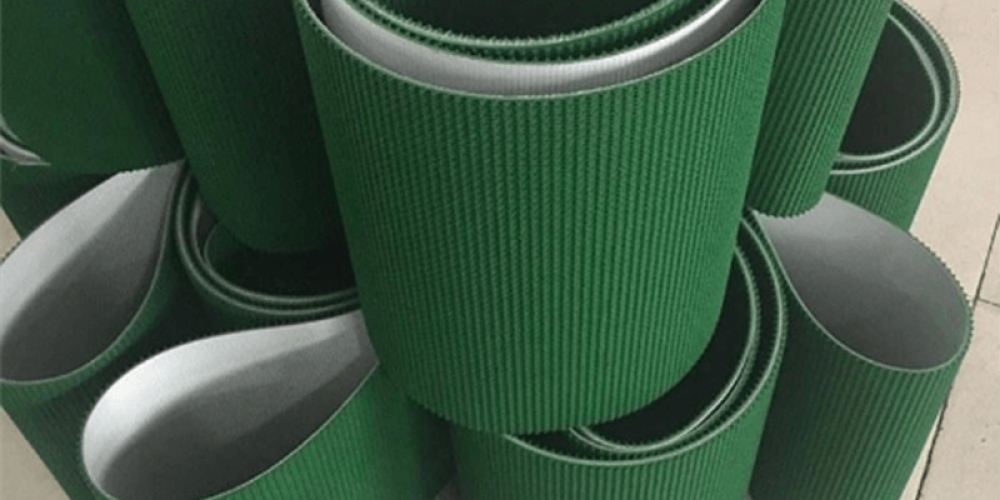
I. Common Welding Methods for PVC Conveyor Belts
1. High-Frequency Welding
Principle: High-frequency current generates heat within the PVC material, causing the molecules to move violently, heat up, and melt. A connection is achieved under pressure. For example, in the plastic film packaging industry, high-frequency welding is widely used to quickly weld two layers of plastic film together to form a sealed packaging bag.
Advantages: Fast welding speed and high efficiency; a weld point can typically be completed in seconds; high weld strength, good appearance quality, and good repeatability; no additional welding flux is required, simplifying the welding process.
2. Hot Air Welding
Principle: Heating equipment such as a hot air gun is used to heat the connection area of the PVC conveyor belt, softening the PVC material. Pressure is then applied to fuse the two ends together, forming a strong connection after cooling.
Advantages: Relatively low equipment cost; relatively simple operation and easy to master; relatively low material requirements; suitable for welding various types of PVC conveyor belts.
3. Ultrasonic Welding
Principle: Utilizing high-frequency vibrations generated by an ultrasonic generator, the vibrational energy is transferred to the welding area of the PVC conveyor belt through a welding head. This causes frictional heat in the material molecules, melting them and achieving welding.
Advantages: Fast welding speed, short welding time (generally between milliseconds and tens of milliseconds); high welding precision, enabling the welding of minute components; no adhesives are needed during the welding process, making it environmentally friendly and pollution-free.
.png)
II. Measures to Ensure the Conveying Performance of PVC Conveyor Belts
1. Ensuring Welding Strength
Selecting Appropriate Welding Methods and Parameters: Based on the material, thickness, and usage requirements of the PVC conveyor belt, select the most suitable welding method and precisely set welding parameters such as temperature, time, and pressure to ensure that the strength of the welded area reaches or exceeds the strength of the conveyor belt itself.
Conducting Quality Inspection and Verification: After welding, conduct rigorous quality inspections on the welded area, such as tensile tests and impact tests, to verify that the weld strength meets the requirements. For critical parts or conveyor belts with high conveying performance requirements, tests simulating actual usage conditions can be conducted to ensure that the welded area can withstand the corresponding loads and stresses in actual use.
2. Overall Performance Maintenance of Conveyor Belts
Regular Inspection and Maintenance: Establish a regular inspection and maintenance system to check the overall condition of the conveyor belt, including welded areas, surface wear, and tension. Promptly identify and address potential problems, such as cracks or loosening in welded areas, to prevent them from escalating and affecting conveyor performance.
Proper Use and Operation: During use, strictly follow the operating procedures. Avoid overloading, excessive speed, sudden stops, and other improper operations to reduce impact and wear on the conveyor belt. Simultaneously, pay attention to adjusting the conveyor belt tension to maintain appropriate tension and ensure the conveyor belt does not slip or deviate during operation.
.jpg)
The advantages and disadvantages of high-frequency welding for PVC conveyor belts are as follows: I. Advantages…
I. Common Welding Methods for PVC Conveyor Belts 1. High-Frequency Welding Principle: High-frequency current generates heat…
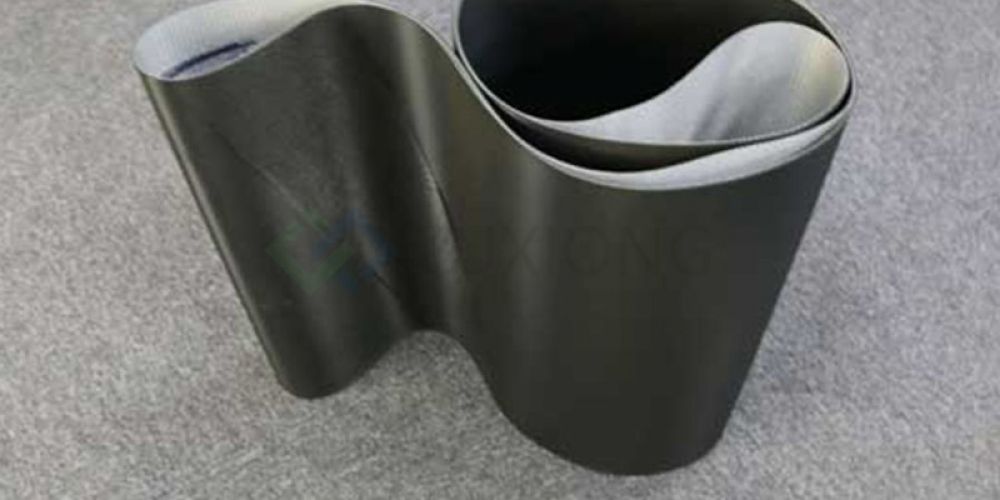
I. Common Welding Methods for PVC Conveyor Belts 1. High-Frequency Welding: This method utilizes high-frequency current…
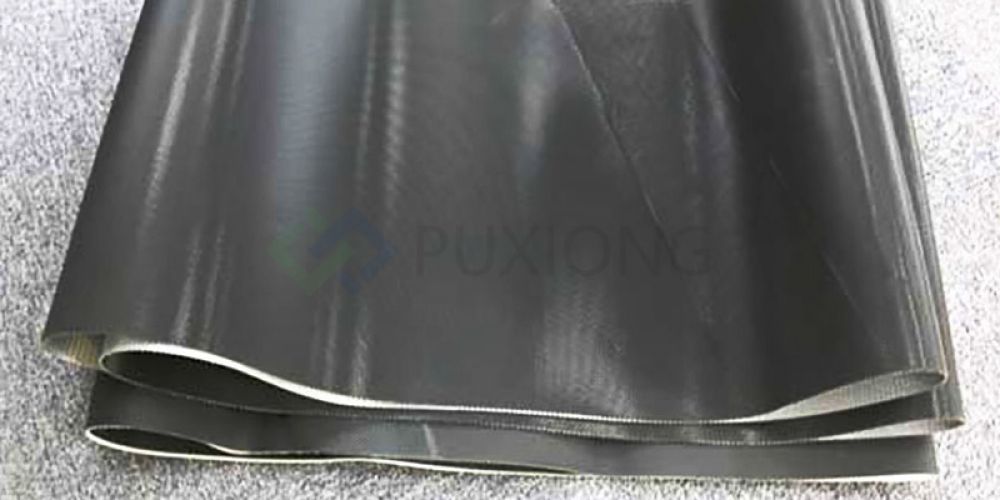
Industrial belts, as core components of transmission and conveying systems, are widely used in equipment across…
I. High-Frequency Welding Principle High-frequency welding (dielectric welding) is a technique that utilizes the dielectric hysteresis…
.jpg)
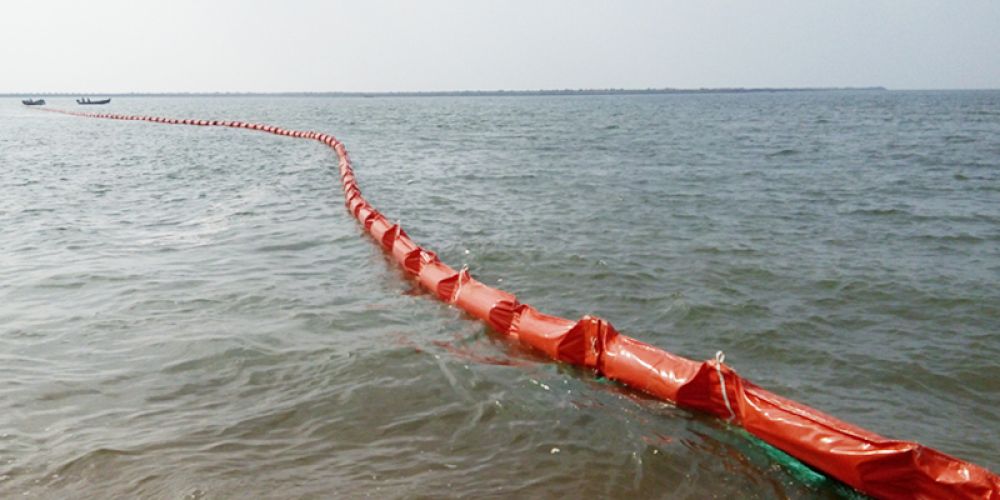
The selection of materials for oil booms must consider factors such as strength, corrosion resistance, buoyancy…