

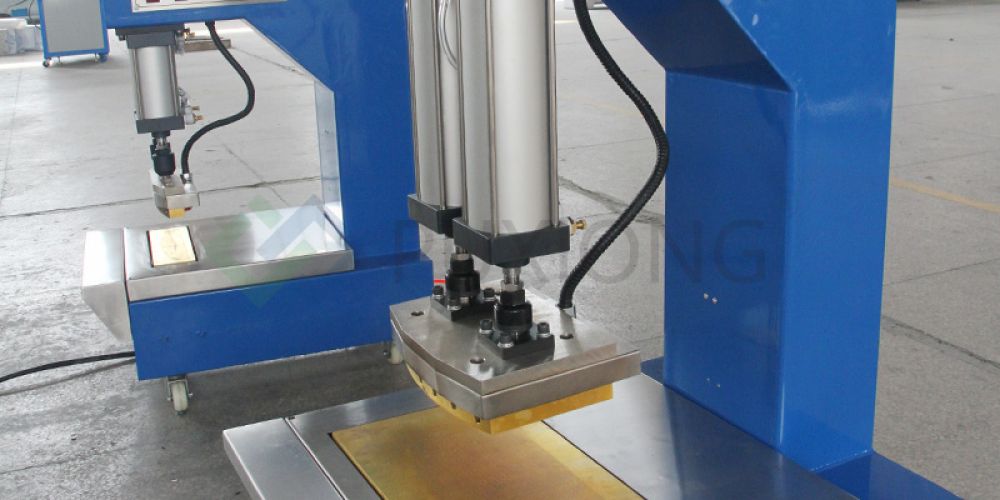
The welding principle of PTFE membrane materials is mainly based on thermofusion welding. This involves heating the material to a molten state and then joining them under pressure. Its applications cover waterproof and breathable membranes and welding products in the electronics, construction, and chemical industries. The following is a detailed analysis:
I. PTFE Membrane Welding Principle
The welding principle of PTFE (polytetrafluoroethylene) membrane materials is mainly based on thermofusion welding. Because PTFE will only decompose and not flow even at higher temperatures above its melting point (380℃), welding PTFE materials differs from other thermoplastics. During welding, the PTFE membrane material needs to be heated above its melting point, and then molten under pressure to achieve the connection.
For example, hot-press welding involves heating two pieces of PTFE material above their melting point and pressing them together under relatively low pressure. Hot air welding uses a fluoroplastic with similar properties to PTFE, such as tetrafluoroethylene-perfluoroalkyl vinyl ether copolymer (PFA), as the welding rod. Hot air simultaneously heats and pressurizes the welding rod and the PTFE to be welded, joining the PTFE materials together through the welding rod. II. PTFE Membrane Welding Applications
1. Waterproof and Breathable Membrane Welding: As electronic products demand increasingly higher levels of waterproofing, many customers utilize the properties of PTFE waterproof and breathable membranes to achieve IP67 or higher waterproofing requirements. This involves welding the PTFE membrane and its casing, primarily using ultrasonic welding technology, and incorporating the design of a weld guide wire.
2. Welding of Other Products: PTFE membranes can also be used for welding other products requiring sealed connections, such as equipment in chemical, environmental engineering, and water supply and drainage systems, to meet their special requirements for corrosion resistance and high-temperature resistance. For example, in some chemical equipment, PTFE membranes can be used to manufacture seals or connectors, achieving reliable connections through welding processes to ensure the normal operation of the equipment in harsh environments.
.jpg)
The applications of PVDF membrane materials—involving processes such as coating, sanding, and welding—in the environmental protection…
.jpg)
I. Advantages of Grinding and Welding PVDF-Coated Membrane Fabric 1. Improved Weldability: Grinding removes the surface…
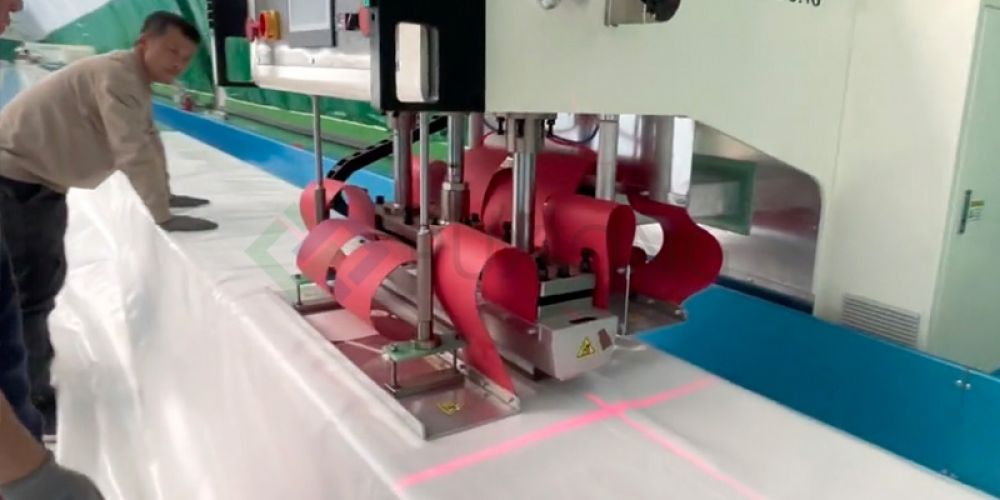
In the field of modern architecture, the construction of large-scale venues requires not only meeting functional…
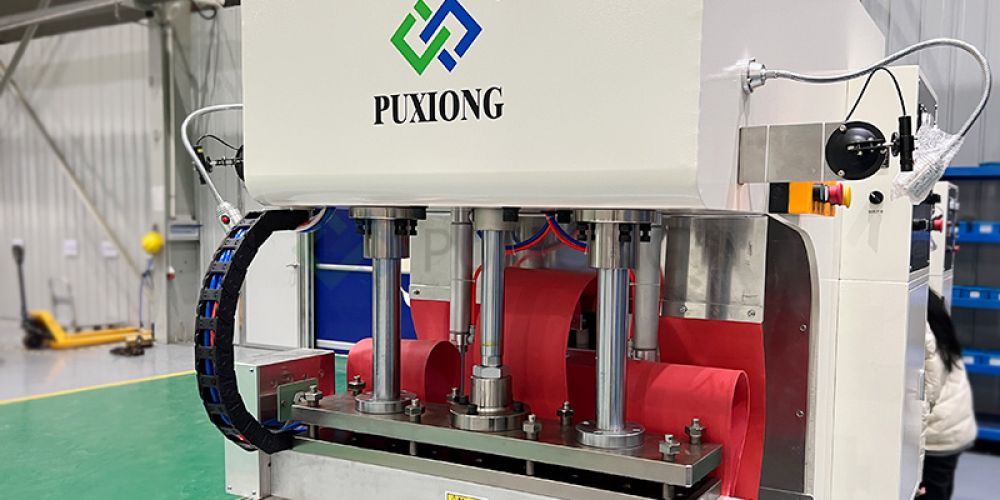
The advantages of high-frequency welding for tensile membrane structures primarily include the following aspects: 1. **Simple…
.jpg)
Welded tensile membrane structures are widely used in landscape architecture and offer significant advantages. The following…

Gas storage bags play a vital role in industrial production by storing gases, regulating pressure, enhancing…