

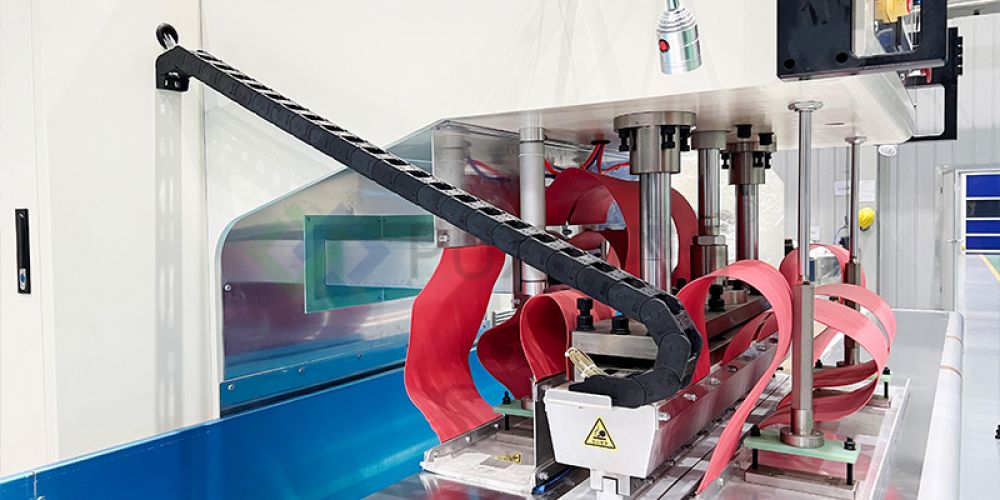
High-frequency welding technology is a key process in tent manufacturing. It achieves precise welding of plastic dielectric materials through the conversion of electrical energy into heat energy, which has a decisive impact on the strength, sealing performance, and production efficiency of the tent. The following is a detailed analysis:
I. Welding Principle
High-frequency welding relies on converting electrical energy into heat energy to generate sufficient heat within the workpiece to melt it, thus achieving welding. Non-conductive materials, such as air, oil, and PVC, are sometimes referred to as dielectrics. In high-frequency welding, the plastic dielectric material to be welded is sandwiched between two conductors, called electrodes. When high-frequency electrical energy is transferred between these electrodes, an alternating electric field is generated in the dielectric material. This alternating electric field causes the molecules of the dielectric material to move violently, resulting in heating. Due to the heat dissipation effect of the cooler electrode in contact with the outer surface, the heating effect is most pronounced at the interface between the two dielectric materials and at the midpoint of the electrodes.
II. Key Process Points
1. Material Property Matching: High-frequency welding is suitable for plastic dielectric materials such as PVC. In tent manufacturing, it is necessary to ensure that the tent fabric is compatible with the high-frequency welding process to avoid problems such as outer surface degradation caused by direct heating. High-frequency welding allows for the controlled welding of plastic materials, creating strong welds without damaging the material's outer surface.
2. Equipment Selection and Adjustment: Choosing the right high-frequency welding machine is crucial. The appropriate machine must be selected based on the thickness and width of the tent fabric and production requirements. For example, splicing large tents may require a high-frequency welding machine with a wider trough. Simultaneously, adjusting the equipment parameters is critical, including tool pressure, press stroke, sink depth, high-frequency power output, and welding time. These parameters directly affect weld quality.
3. Welding Process Control
Preheating and Pressurization: Before welding, the tent fabric needs to be preheated to improve its weldability. Appropriate pressure is applied during welding to ensure tight contact between the fabric layers.
Temperature and Time Control: Strict control of heating temperature and time is essential during high-frequency welding to prevent overheating, which can damage the fabric or result in insufficient weld strength. Precise control of high-frequency power output and welding time ensures uniform heating and fusion of the welding area.
Cooling and Shaping: After welding, the welded area needs to be cooled to fix the weld shape and improve weld strength. The cooling process requires maintaining appropriate pressure and time to ensure the flatness and strength of the weld.
4. Quality Inspection and Evaluation: After welding, the weld quality needs to be inspected and evaluated. This includes checking the flatness, strength, and sealing of the weld. For unqualified welds, timely repair or re-welding is necessary to ensure the overall quality of the tent.
III. Application Advantages
1. Strong Welds: High-frequency welding machines produce stronger tents than hot presses, meeting the strength requirements for outdoor use.
2. Environmentally Friendly and Efficient: High-frequency welding does not produce a pungent plastic odor, meeting environmental protection requirements. Furthermore, the high speed of high-frequency welding allows for continuous welding, improving production efficiency.
3. High Adaptability: High-frequency welding technology is suitable for welding various plastic dielectric materials, including commonly used tent materials such as PVC tarpaulin. By adjusting equipment parameters and process conditions, it can adapt to the welding needs of tent fabrics of different thicknesses, widths, and materials.
High-frequency welding technology is a key process in tent manufacturing. It achieves precise welding of plastic…
.png)
High-frequency welding and hot air welding for tents differ significantly in principle, applicability, efficiency, and finished…
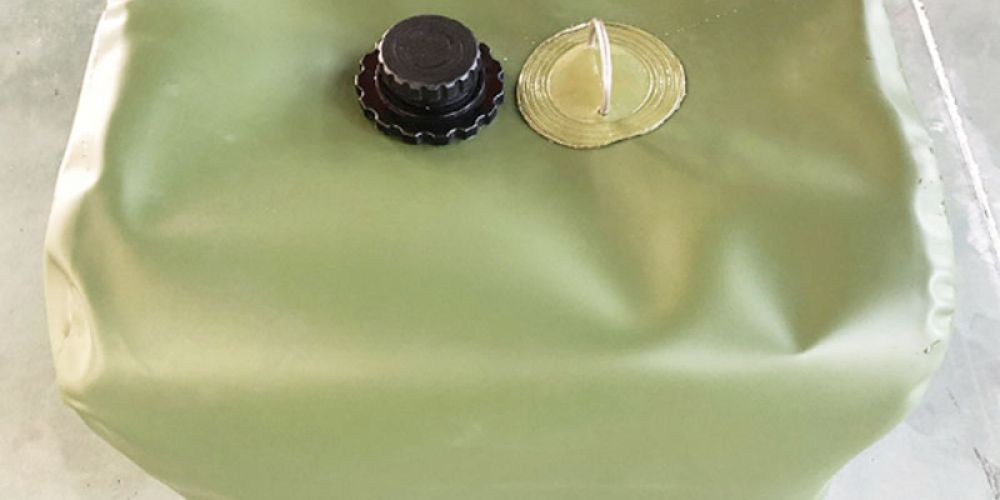
I. Fuel Tanks Revolutionize Energy Transportation 1. Flexible Transportation, Overcoming Spatial Limitations Traditional energy transportation methods…
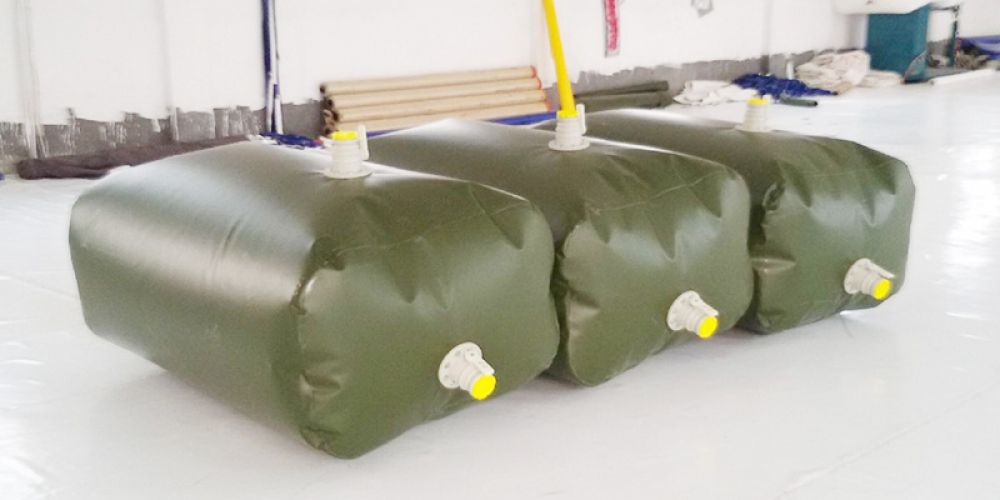
I. Principle of High-Frequency Welding of Oil Bladders High-frequency welding utilizes the skin effect and proximity…
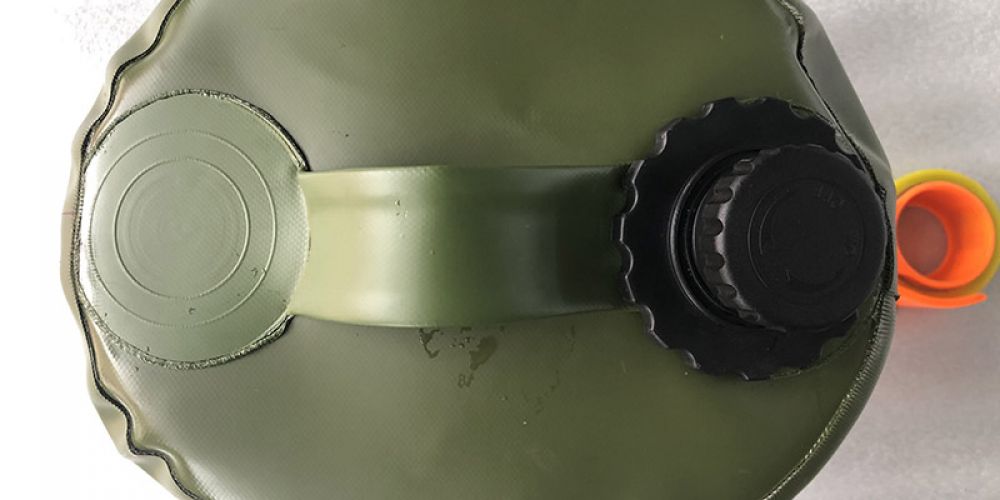
Fuel bladders provide a solid defense for energy transportation safety, primarily due to their material properties…
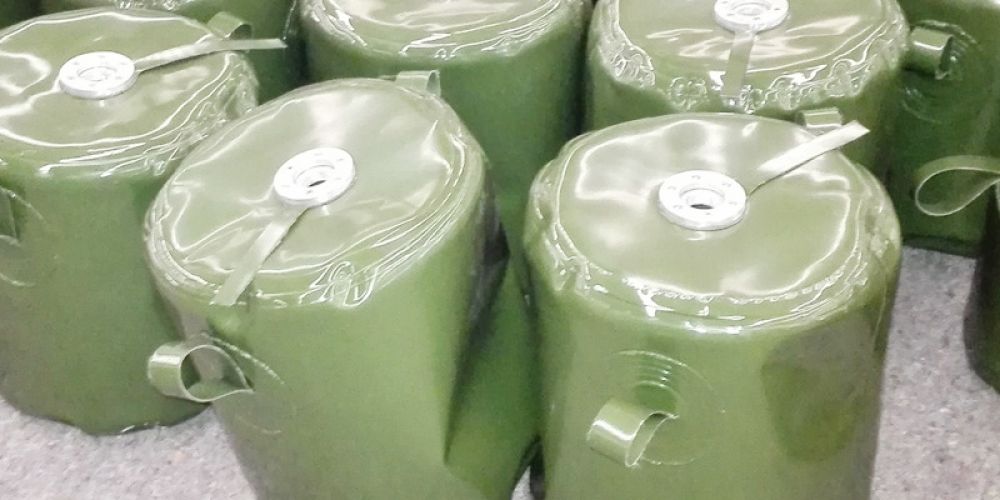
Oil bladders, acting as the "invisible guardians" behind energy transportation, exhibit unique advantages in materials, design…