

.jpg)
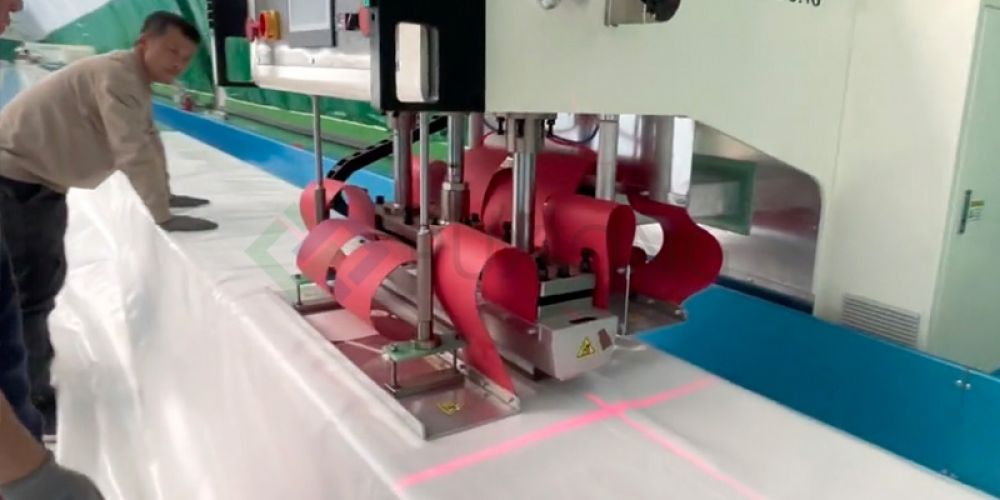
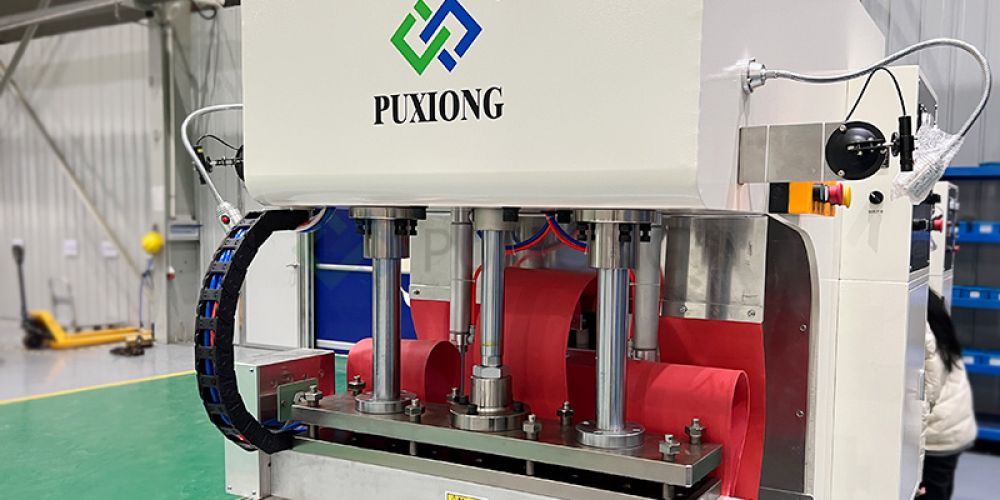
High-frequency welding technology significantly improves the safety of feeding bags through molecular-level fusion, glue-free sealing, and precise structural control. This is reflected in five dimensions: sealing performance, contamination prevention, functional reliability, material compatibility, and clinical safety. A detailed analysis follows:
I. Superior Sealing Performance: Eliminating the Risk of Nutritional Solution Leakage
1. Molecular-Level Welding Principle
High-frequency welding uses a high-frequency electric field to polarize plastic molecules, generating heat through friction and achieving self-fusion of the material to form a seamless, sealed structure. This welding method has a molecular structure consistent with the substrate, with no weak layers, and a sealing strength exceeding 25N, far surpassing traditional hot-melt or adhesive bonding processes.
2. Extreme Environment Testing Verification
Negative Pressure Test: Maintaining a leak-free condition for 1 minute under -80kPa pressure ensures that the risk of rupture due to pressure changes during transportation or use is reduced by more than 90%.
Dynamic Pressure Test: Simulating pressure fluctuations during patient movement (such as turning over or coughing), the weld cracking rate of high-frequency welded feeding bags is significantly lower than that of traditional processes, significantly reducing the risk of nutritional solution leakage.
II. No Glue Residue: Reduced Risk of Infection and Allergies
1. Pain Points of Traditional Processes
Adhesive bonding processes require the use of organic solvents or glues, which may leave behind volatile organic compounds (VOCs) or chemical particles, creating a breeding ground for bacteria and increasing the risk of infection for patients (such as lung infections and wound infections). Furthermore, glue residue may trigger allergic reactions, especially in patients with sensitive constitutions.
2. High-Frequency Welding Solution
Pure physical welding: No chemical additives throughout the process, microbial contamination rate <0.01%, meeting ISO 13485 cleanliness standards for medical products.
Clinical Validation: A comparative experiment in a hospital showed that patients using high-frequency welded feeding bags had a lower postoperative infection rate and a lower incidence of allergic reactions compared to those using traditional products.
.jpg)
The applications of PVDF membrane materials—involving processes such as coating, sanding, and welding—in the environmental protection…
.jpg)
I. Advantages of Grinding and Welding PVDF-Coated Membrane Fabric 1. Improved Weldability: Grinding removes the surface…
In the field of modern architecture, the construction of large-scale venues requires not only meeting functional…
The advantages of high-frequency welding for tensile membrane structures primarily include the following aspects: 1. **Simple…
.jpg)
Welded tensile membrane structures are widely used in landscape architecture and offer significant advantages. The following…

Gas storage bags play a vital role in industrial production by storing gases, regulating pressure, enhancing…