

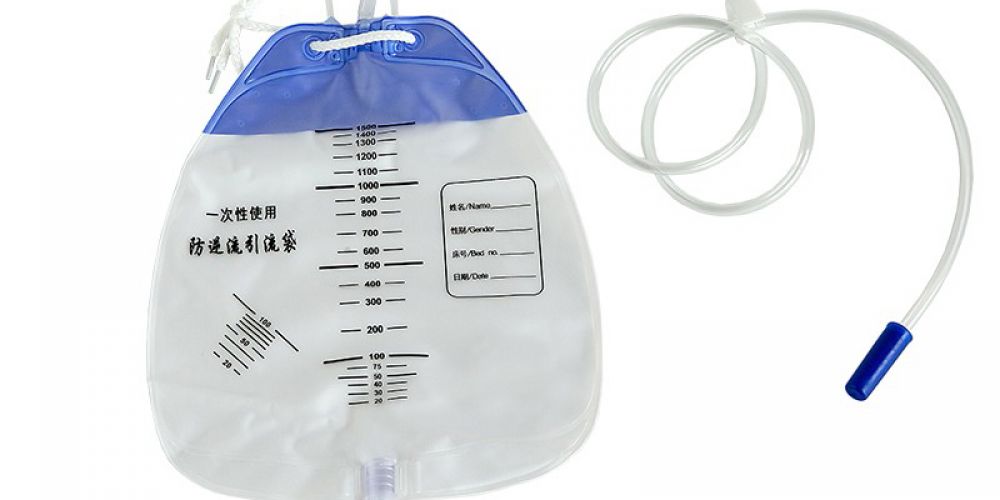
High-frequency welding of drainage bags offers advantages such as high welding speed, small heat-affected zone, and low requirements for workpiece cleaning. However, it also presents risks including high requirements for joint assembly quality, potential electrolytic corrosion, and hazards from high-frequency electromagnetic fields. The following is a detailed introduction:
I. Advantages
1. High Welding Speed: The skin effect and proximity effect of high-frequency current concentrate the current in the welding area, resulting in rapid heating. This allows for the welding of drainage bags in a short time, meeting the needs of large-scale production and improving production efficiency.
2. Small Heat-Affected Zone: High-frequency welding is fast with low heat input. Heat is concentrated on a very narrow connection surface, and the workpiece has strong self-cooling properties, allowing the weld to cool rapidly after welding. Therefore, the heat-affected zone is generally very narrow, reducing the impact on the material properties of the drainage bag and ensuring its quality.
3. Low Requirements for Workpiece Cleaning: The high voltage of the high-frequency current means that the surface oxide film does not affect conductivity. Furthermore, surface oxides can be squeezed out from the joint during welding. Therefore, the weld joint can be left untreated during high-frequency welding of drainage bags, reducing the difficulty of production preparation.
4. High-strength welded joints: The heat-affected zone of high-frequency welded joints is narrower than that of resistance welded joints, and there is no cast structure. During the upsetting or forging stage of the welding thermal cycle, all molten metal is extruded from the joint, eliminating low-melting-point phases that cause weld cracks, resulting in high weld joint strength and ensuring the sealing and durability of the drainage bag.
5. Capable of welding thin-walled materials: High-frequency welding requires less power than power frequency resistance welding, enabling the welding of thin-walled tubes as small as 0.75mm, making it suitable for welding typically thin materials such as drainage bags.
II. Risks
1. High requirements for joint assembly quality: Especially in continuous high-frequency welding of profiles, assembly and welding are automated. Any change in the V-shaped opening shape caused by any factor can lead to weld quality problems. Improper assembly of the drainage bag joint may result in weak welds and leakage.
2. Prone to electrolytic corrosion: Electrolytic corrosion is prone to occur during high-frequency welding, which may affect the quality of the welded tube, leading to corrosion or damage at the weld, and consequently affecting the overall performance and service life of the drainage bag.
.jpg)
The applications of PVDF membrane materials—involving processes such as coating, sanding, and welding—in the environmental protection…
.jpg)
I. Advantages of Grinding and Welding PVDF-Coated Membrane Fabric 1. Improved Weldability: Grinding removes the surface…
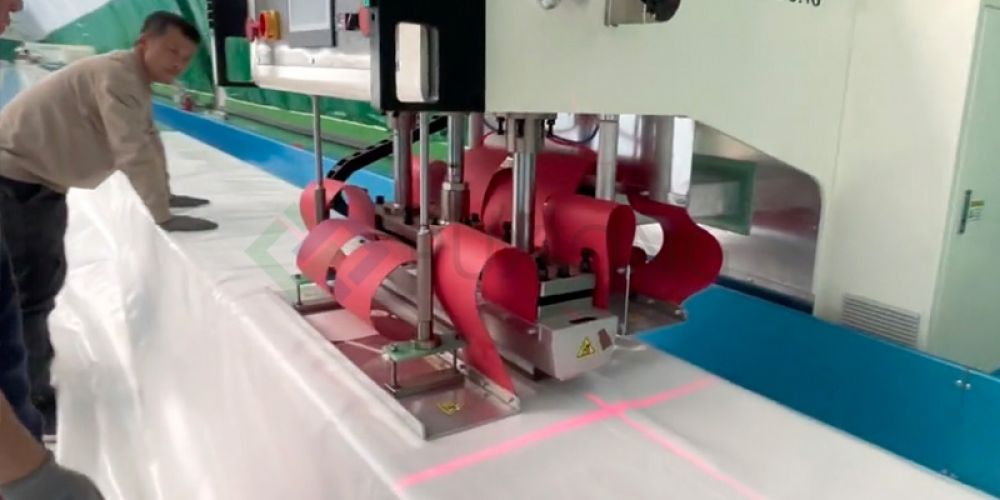
In the field of modern architecture, the construction of large-scale venues requires not only meeting functional…
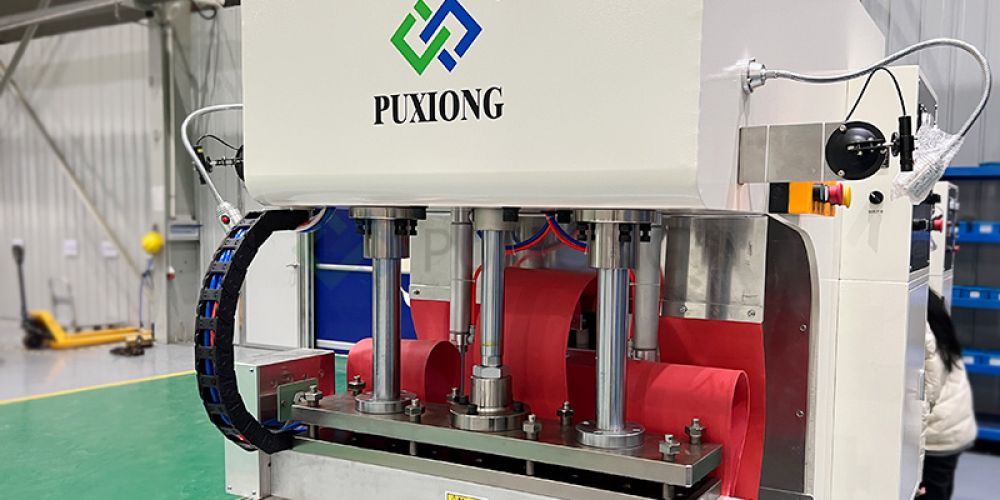
The advantages of high-frequency welding for tensile membrane structures primarily include the following aspects: 1. **Simple…
.jpg)
Welded tensile membrane structures are widely used in landscape architecture and offer significant advantages. The following…

Gas storage bags play a vital role in industrial production by storing gases, regulating pressure, enhancing…