

.jpg)
I. High-Frequency Welding Principle and Advantages
High-frequency welding technology converts electrical energy into heat energy, generating sufficient heat within the workpiece to melt it, thus achieving welding. For non-conductive materials, such as air, oil, and dielectrics like PVC (polyvinyl chloride), the plastic dielectric material to be welded is sandwiched between two conductors (electrodes) in high-frequency welding. When high-frequency electrical energy is transferred between these electrodes, an alternating electric field is generated in the dielectric material, causing the molecules of the dielectric material to move violently, thereby heating it. Due to the heat dissipation effect of the cooler electrode in contact with the outer surface, the heating effect is most pronounced at the interface between the two dielectric materials and at the midpoint of the electrodes. Once the dielectric materials fuse, the high-frequency power supply is turned off, and the workpiece is cooled, thus forming a strong weld.
Compared to traditional welding methods, high-frequency welding has many advantages. It overcomes the problems that may occur with direct heating, such as outer surface degradation and insufficient internal surface heat, and can weld plastic materials under controlled conditions without damaging the outer surface of the material. High-frequency welding is fast, which can improve production efficiency and meet the needs of large-scale production. Furthermore, its welded joint has a narrower heat-affected zone than resistance welding, resulting in higher joint strength and the absence of casting structures. This eliminates low-melting-point phases that cause welding cracks, and thin-material workpieces are less prone to bending or crushing, exhibiting minimal deformation.
II. Improved Durability of Drainage Bags
The improvement in the durability of drainage bags through high-frequency welding is primarily reflected in the weld quality. By precisely controlling welding parameters such as tool pressure, press stroke adjustment, sinking depth control, high-frequency power output, welding time, and cooling time, high-frequency welding achieves precise welding, ensuring the weld quality of the drainage bag. The width, depth, and strength of the weld can be precisely controlled, avoiding problems such as leakage and rupture caused by uneven welding.
III. Ensuring the Reliability of Drainage Bags
The reliability of drainage bags is crucial for medical safety. High-frequency welding effectively prevents liquid leakage and cross-infection, protecting patient health. During medical procedures, the fluid collected by the drainage bag may contain various pathogens and harmful substances. If the drainage bag is not properly sealed, liquid leakage will not only contaminate the surrounding environment but may also lead to infection of medical staff and other patients. High-frequency welded drainage bags offer excellent sealing, effectively preventing liquid leakage and reducing the risk of cross-infection.
High-frequency welding also improves the overall structural stability of the drainage bag. The strength of the weld directly affects the lifespan and reliability of the drainage bag. Even in complex medical environments, such as during patient movement and transport, high-frequency welded drainage bags maintain good structural stability and are not easily damaged.
.jpg)
The applications of PVDF membrane materials—involving processes such as coating, sanding, and welding—in the environmental protection…
.jpg)
I. Advantages of Grinding and Welding PVDF-Coated Membrane Fabric 1. Improved Weldability: Grinding removes the surface…
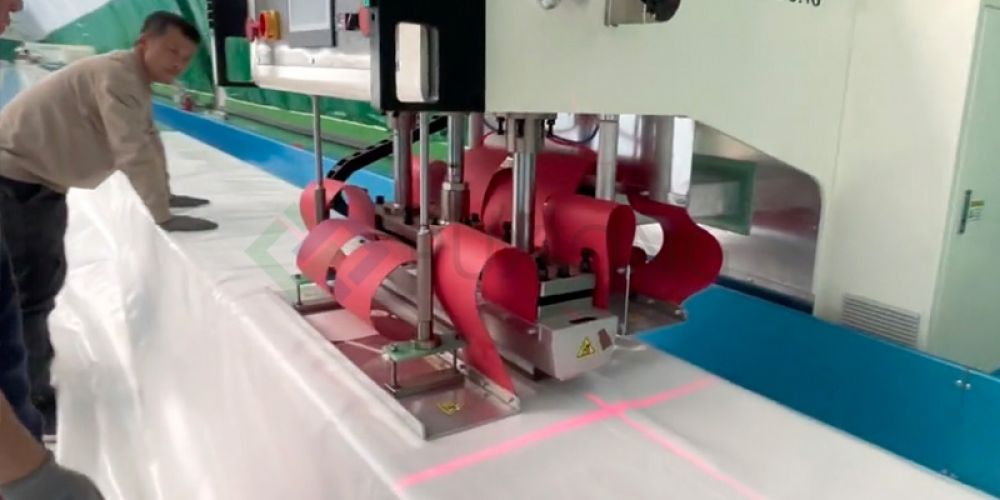
In the field of modern architecture, the construction of large-scale venues requires not only meeting functional…
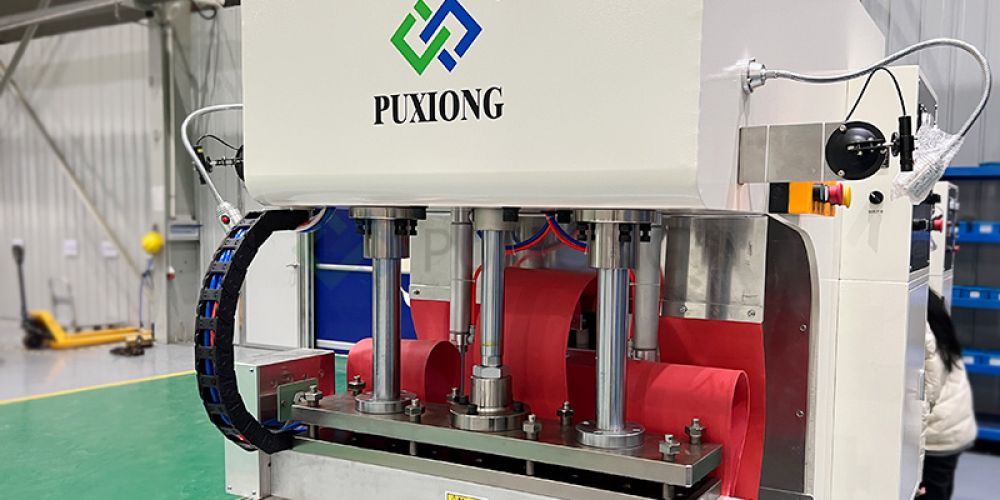
The advantages of high-frequency welding for tensile membrane structures primarily include the following aspects: 1. **Simple…
.jpg)
Welded tensile membrane structures are widely used in landscape architecture and offer significant advantages. The following…

Gas storage bags play a vital role in industrial production by storing gases, regulating pressure, enhancing…