

.jpg)
I. High-Frequency Welding Principle
High-frequency welding utilizes the resistance heat generated when a high-frequency current (typically in the range of 10-500kHz) passes through a workpiece. This heats the joint surfaces of the workpieces locally to a molten or plastic state, thus achieving the connection of metal or plastic materials. Its core principles include:
1. Skin Effect: When a high-frequency current flows through a conductor, the current density concentrates on the conductor surface, creating the "skin effect." This characteristic concentrates heat on the workpiece surface, achieving rapid localized heating.
2. Proximity Effect: When a high-frequency current flows in opposite directions through two adjacent conductors, the current concentrates on the adjacent sides of the conductors, further enhancing the localized heating effect.
3. Resistance Heat Generation: When a high-frequency current passes through a workpiece, the resistance of the workpiece material generates a large amount of heat, causing the contact surfaces to rapidly heat to their melting point or plastic state.
4. Pressure Effect: During the heating process, applying a certain pressure (or not applying pressure) ensures a tight bond between the workpiece contact surfaces, forming a strong weld after cooling.
5. High-frequency welding is divided into contact high-frequency welding and induction high-frequency welding:
Contact high-frequency welding: High-frequency current is transmitted to the workpiece through electrodes in direct contact with it.
Induction high-frequency welding: High-frequency current is coupled through an external induction coil to generate an induced current within the workpiece, achieving heating.
II. Application of High-Frequency Welding in Drainage Bag Production
Drainage bags are medical devices used to collect accumulated fluid in the body, typically made of medical-grade polymer materials (such as PVC, TPU, PE, etc.). The application of high-frequency welding in drainage bag production is mainly reflected in the following aspects:
1. Bag Body Welding
Film Welding: The bag body of a drainage bag is usually welded from two or more layers of plastic film. High-frequency welding locally heats the contact surfaces of the films, causing them to melt and bond, forming a sealed bag structure. Weld Strength: High-frequency welding produces uniform and strong welds, ensuring that the drainage bag will not leak during use.
2. Tubing Connection
Drainage Tube to Bag Body Connection: The drainage tube of a drainage bag is usually connected to the bag body using high-frequency welding. High-frequency welding ensures a tight seal between the tubing and the bag body, preventing liquid leakage.
Valve welding: Some drainage bags are equipped with check valves or drain valves. These valves are connected to the bag body via high-frequency welding to ensure their proper function.
3. Anti-backflow design
Check valve welding: The core component of the anti-backflow drainage bag is the check valve. High-frequency welding connects the check valve to the bag body, ensuring proper valve operation and preventing liquid backflow.
Sealing: High-frequency welding ensures a tight seal between the check valve and the bag body, preventing increased infection risk due to leakage.
.jpg)
The applications of PVDF membrane materials—involving processes such as coating, sanding, and welding—in the environmental protection…
.jpg)
I. Advantages of Grinding and Welding PVDF-Coated Membrane Fabric 1. Improved Weldability: Grinding removes the surface…
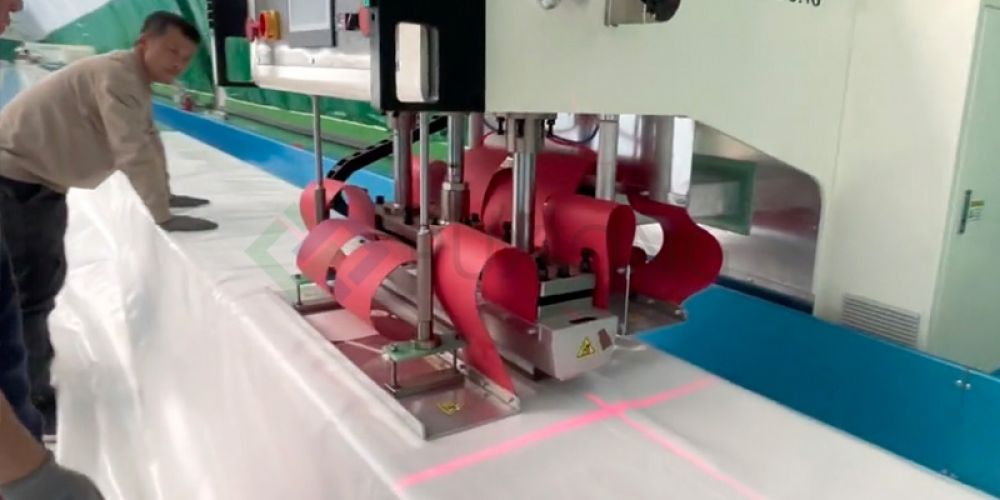
In the field of modern architecture, the construction of large-scale venues requires not only meeting functional…
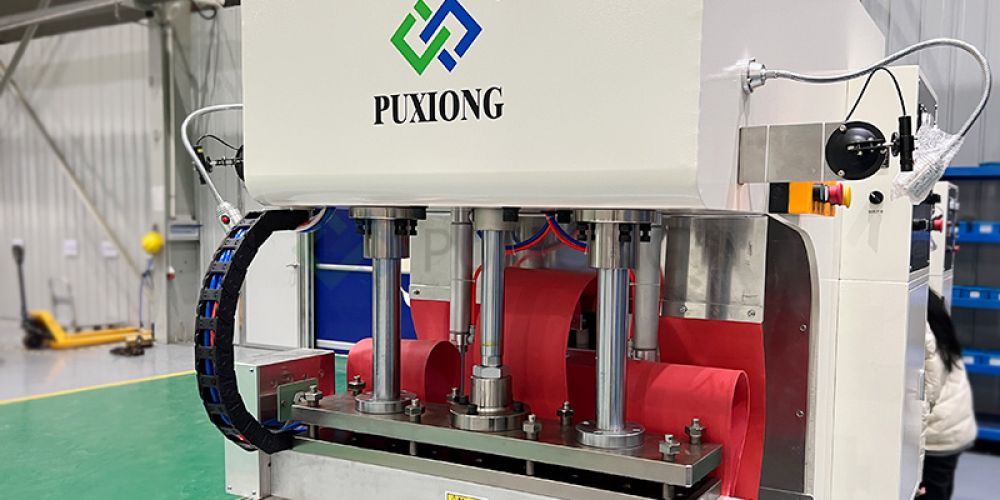
The advantages of high-frequency welding for tensile membrane structures primarily include the following aspects: 1. **Simple…
.jpg)
Welded tensile membrane structures are widely used in landscape architecture and offer significant advantages. The following…

Gas storage bags play a vital role in industrial production by storing gases, regulating pressure, enhancing…