

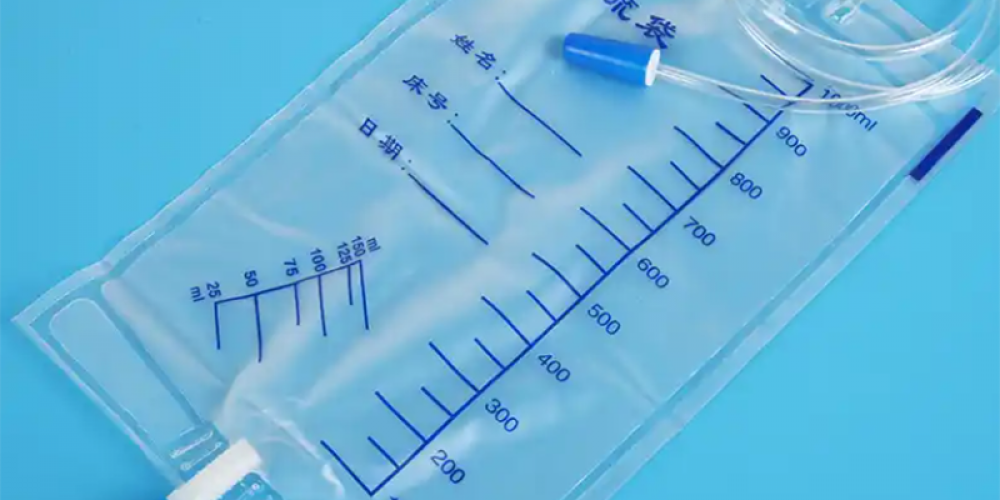
Environmentally friendly drainage bags made from biodegradable materials represent an innovative choice for green development in the medical field. The following analysis examines their material characteristics and application advantages:
I. Technical Characteristics of Biodegradable Materials
1. Biodegradable Materials: Mainstream materials include polylactic acid (PLA), starch-based plastics, and cellulose-based plastics. These materials decompose into carbon dioxide, water, and fertilizer through microbial action in the natural environment, with a degradation cycle typically of 6-12 months (depending on environmental conditions).
2. Photo/Oxidation Degradation Composite Technology: Some products utilize photosensitizers or oxidants to accelerate degradation under light or oxidation conditions, making them suitable for outdoor use or specific medical waste disposal scenarios.
3. Balance between Environmental Protection and Performance: Biodegradable materials must balance sealing, pressure resistance, and flexibility. For example, PLA materials can be modified to improve puncture resistance, ensuring the drainage bag remains undamaged during transportation and use.
II. Advantages of Environmentally Friendly Drainage Bags
1. Reduced Medical Waste Pollution: Traditional PVC drainage bags take hundreds of years to degrade, while biodegradable materials significantly reduce plastic waste accumulation and lower the risk of soil and water pollution.
2. Compliance with Medical Environmental Regulations: The EU, China, and other regions have implemented policies restricting the use of single-use plastic products. Environmentally friendly drainage bags meet the "reduction and harmlessness" requirements of the "Regulations on the Management of Medical Waste."
3. Enhanced Patient and Healthcare Staff Experience: The materials are non-toxic and harmless, avoiding the potential harm to the human body from plasticizers (such as DEHP) that may be released from traditional plastics, while also reducing occupational exposure risks during waste disposal.
.jpg)
The applications of PVDF membrane materials—involving processes such as coating, sanding, and welding—in the environmental protection…
.jpg)
I. Advantages of Grinding and Welding PVDF-Coated Membrane Fabric 1. Improved Weldability: Grinding removes the surface…
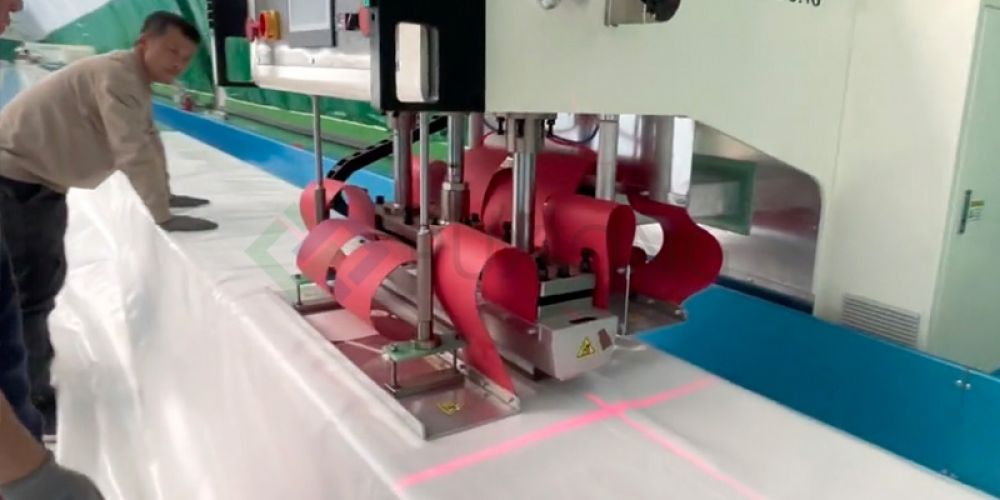
In the field of modern architecture, the construction of large-scale venues requires not only meeting functional…
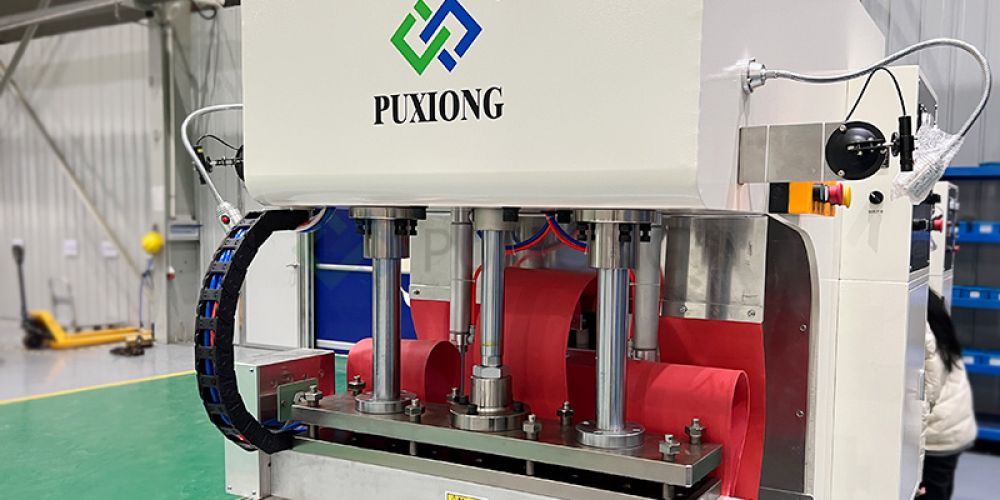
The advantages of high-frequency welding for tensile membrane structures primarily include the following aspects: 1. **Simple…
.jpg)
Welded tensile membrane structures are widely used in landscape architecture and offer significant advantages. The following…

Gas storage bags play a vital role in industrial production by storing gases, regulating pressure, enhancing…