

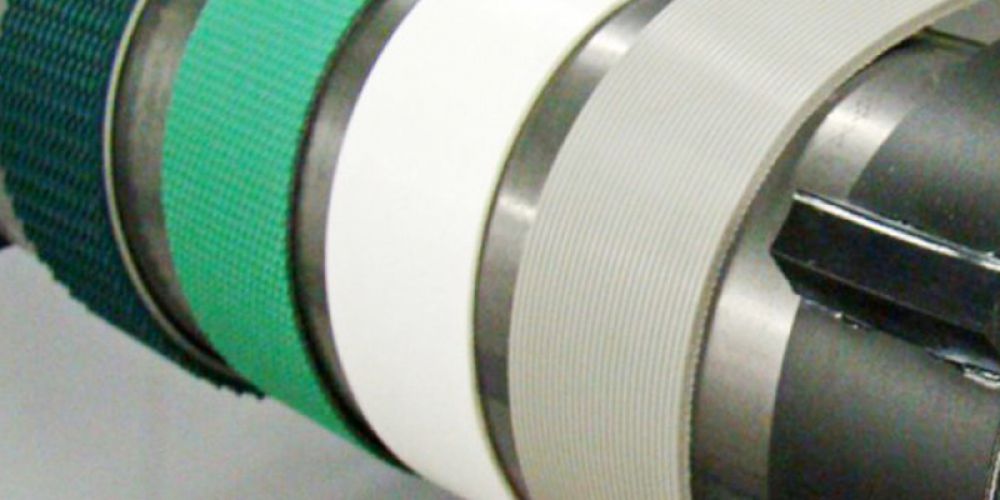
Light-duty conveyor belts are classified in various ways based on material and application. Common types include PVC, rubber-plastic, and PU conveyor belts. PVC belts come in a wide range of thicknesses, colors, and joint configurations, making them suitable for production lines in industries such as food processing, pharmaceuticals, electronics, tobacco, printing, packaging, and textiles. Rubber-plastic and PU food-grade belts feature various surface patterns, making them ideal for the inclined transport of bulk or powdered materials. Specialized patterned belts offer anti-slip properties for specific applications and the handling of unique materials. Additionally, through specialized processing, they can be manufactured into tracking belts, elevating belts, and sidewall belts.
Common materials for light-duty conveyor belts include PVC, PU, silicone, and PTFE. These materials are typically non-toxic, odorless, corrosion-resistant, and wear-resistant, enabling them to meet the demands of various operating environments. PVC and PU are the most prevalent materials. PVC belts offer excellent resistance to oil, acids, alkalis, and hydrolysis, making them suitable for the food, pharmaceutical, electronics, and tobacco industries. PU belts provide superior wear and temperature resistance, making them ideal for printing, packaging, and textile applications. Silicone belts are primarily used in high-temperature and high-humidity environments, such as ovens and baking equipment. PTFE belts offer exceptional high-temperature resistance, making them suitable for transporting materials in high-heat environments.
In summary, the choice of material depends on specific requirements and the operating environment to ensure optimal performance and safety. Maintenance of light-duty conveyor belts focuses on the following two areas:
1. Maintenance and Servicing: Regularly inspect the tightness of all components and promptly tighten any loose parts; use a listening rod to monitor the drive chain's sound during operation and stop the machine immediately for inspection if abnormal noises are detected; and perform lubrication and maintenance according to the equipment's service schedule. 2. Operation and Maintenance: Before startup, check that all parts of the equipment are functioning correctly and ensure there are no people or foreign objects on the conveyor belt. Regularly clean dust and debris from the conveyor, paying special attention to the idlers and drums. Inspect the motor and gearbox for any abnormalities. Frequently check the lubrication status of the chain and apply lubricant immediately if necessary.
.jpg)
The applications of PVDF membrane materials—involving processes such as coating, sanding, and welding—in the environmental protection…
.jpg)
I. Advantages of Grinding and Welding PVDF-Coated Membrane Fabric 1. Improved Weldability: Grinding removes the surface…
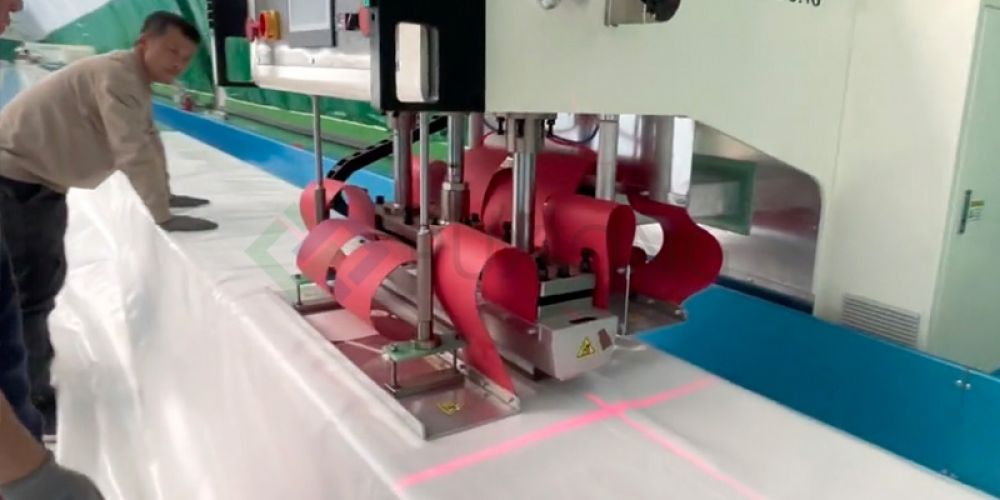
In the field of modern architecture, the construction of large-scale venues requires not only meeting functional…
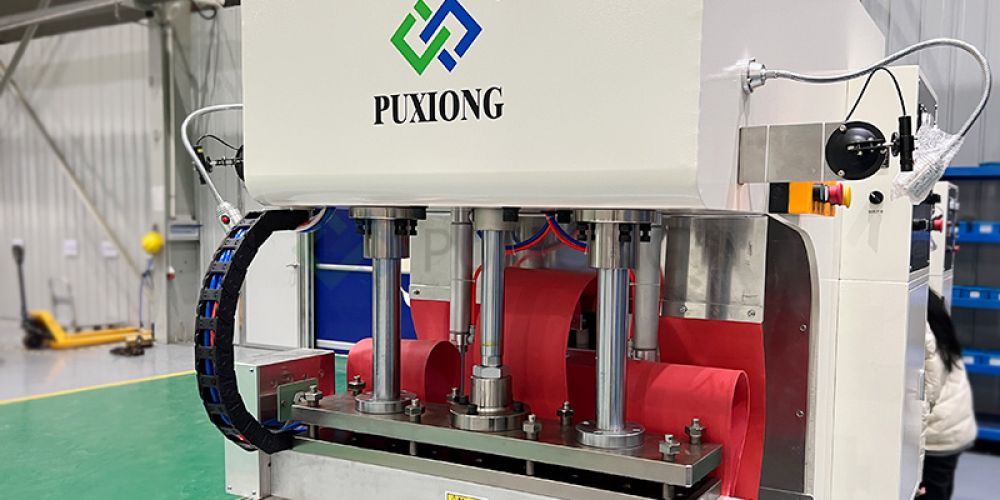
The advantages of high-frequency welding for tensile membrane structures primarily include the following aspects: 1. **Simple…
.jpg)
Welded tensile membrane structures are widely used in landscape architecture and offer significant advantages. The following…

Gas storage bags play a vital role in industrial production by storing gases, regulating pressure, enhancing…