

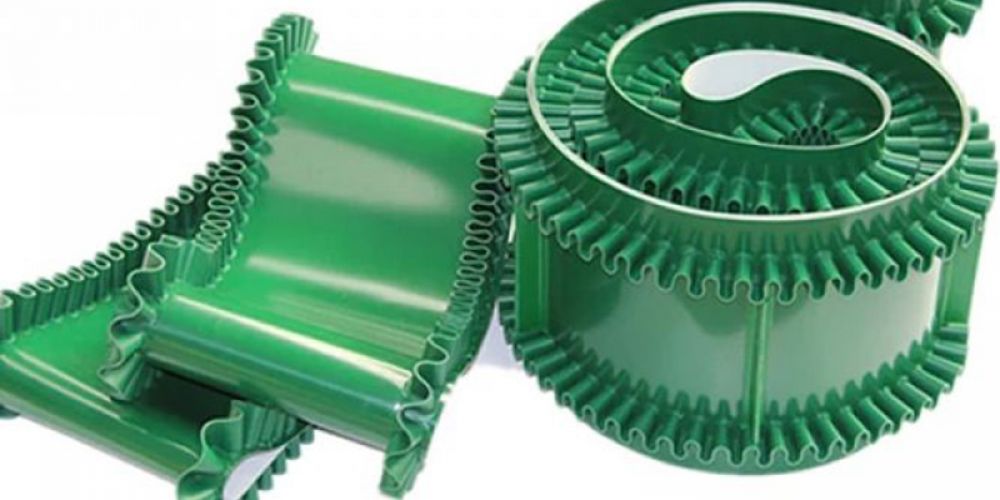
There is a wide variety of conveyor belts, each suited to specific materials and operating environments. Below are some common types:
1. Standard Conveyor Belt: Suitable for transporting non-corrosive, non-sharp materials—such as coal, coke, sand, gravel, and cement—in lump, granular, or powder form, as well as packaged goods, under normal temperature conditions.
2. Corrugated Sidewall Conveyor Belt: Composed of a base belt, sidewalls, and transverse cleats; ideal for transporting materials prone to spillage, such as powders, granules, small lumps, pastes, and semi-liquids. It offers a small footprint, flexible layout, rapid installation, low maintenance, low energy consumption, high belt strength, and a long service life.
3. Patterned Anti-Slip Conveyor Belt: Features a patterned rubber cover on the working surface to prevent material slippage and enhance conveying capacity. Common patterns include herringbone, chevron, fishbone, and dot designs. It is suitable for transporting small-to-medium lumps, granules, and powders, and is ideal for high-speed, medium-to-long-distance transport involving high impact forces.
4. Heat-Resistant Conveyor Belt: Primarily used for transporting high-temperature materials such as sintered ore, hot coke, cement clinker, and hot castings. These belts are manufactured using various materials tailored to specific heat-resistance grades to ensure durability under high temperatures.
5. Polyester (EP) Conveyor Belt: Also known as EP belt, wear-resistant belt, or cement conveyor belt. Characterized by high modulus, low elongation, excellent thermal stability, and impact resistance, it is suitable for transporting materials over medium-to-long distances at high speeds and high load capacities. It is widely used in sectors such as coal mining, general mining, ports, metallurgy, power generation, and the chemical industry.
6. Flame-Retardant Steel Cord Conveyor Belt: Constructed with a steel cord core encased in rubber. It offers high tensile strength, excellent impact resistance, long service life, low elongation, superior troughability, and good flexural fatigue resistance, making it ideal for long-distance, high-capacity, and high-speed material transport. It is also widely used in sectors such as coal mining, general mining, ports, metallurgy, electric power, and the chemical industry.
7. Endless conveyor belts: These belts are manufactured as seamless loops; the belt carcass has no joints, resulting in a smooth surface, uniform tension, stable operation, and minimal elongation during use.
8. Smooth-surface lightweight conveyor belts: These feature a carcass made of high-strength, premium-quality cotton, nylon, or polyester canvas, with a white or light-colored cover layer made of pure natural PVC. They are non-contaminating and safe for food handling. They are suitable for various industries, including logistics, packaging, printing, food processing, woodworking, aquatic products, and stone processing.
9. Sidewall conveyor belts: Available in two types—sidewall-only (without cleats) and sidewall-plus-cleat—these belts enable the continuous transport of various bulk materials at any inclination angle from 0 to 90 degrees. Key advantages include steep conveying angles, a wide range of applications, a small footprint, the elimination of transfer points, reduced civil engineering investment, low maintenance costs, and high conveying capacity.
.jpg)
The applications of PVDF membrane materials—involving processes such as coating, sanding, and welding—in the environmental protection…
.jpg)
I. Advantages of Grinding and Welding PVDF-Coated Membrane Fabric 1. Improved Weldability: Grinding removes the surface…
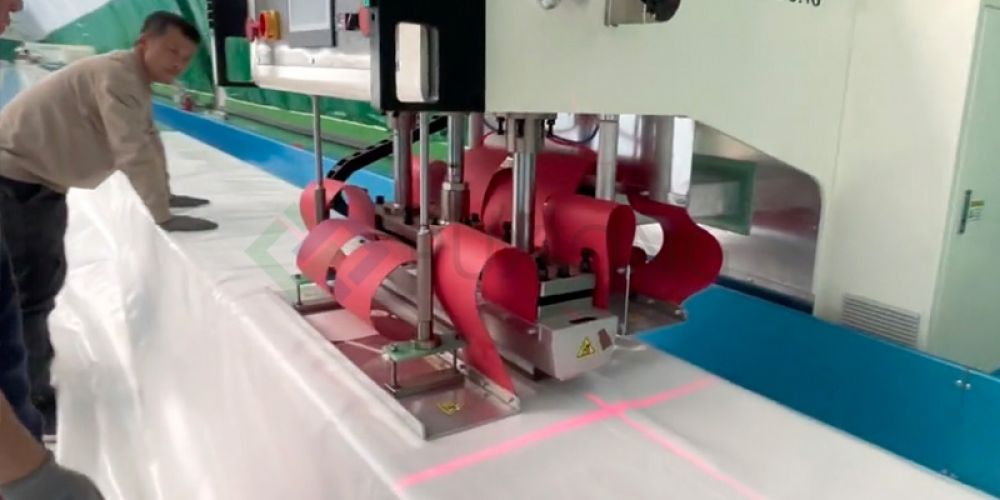
In the field of modern architecture, the construction of large-scale venues requires not only meeting functional…
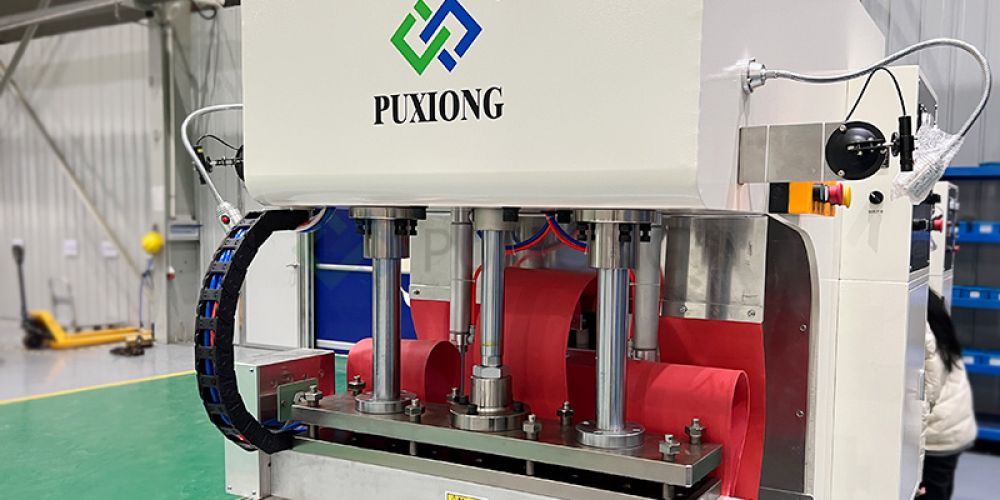
The advantages of high-frequency welding for tensile membrane structures primarily include the following aspects: 1. **Simple…
.jpg)
Welded tensile membrane structures are widely used in landscape architecture and offer significant advantages. The following…

Gas storage bags play a vital role in industrial production by storing gases, regulating pressure, enhancing…