

I. Characteristics of Tensile Membrane Structures
1. Diverse forms and strong artistic appeal: Through the tensioning of membrane materials and the arrangement of supporting structures, tensile membrane structures can create a variety of unique curved shapes—such as saddle, umbrella, and arch forms. This versatility in shaping gives tensile membrane structures exceptional artistic expressive power in architectural design, allowing them to serve as striking architectural highlights.
2. Lightweight with large spans: Membrane materials are relatively lightweight, weighing only a fraction of traditional building materials. This enables the creation of large-span, column-free spaces, reducing the need for supporting structures and lowering construction costs. Furthermore, the large-span design creates a more airy and open atmosphere, enhancing the user experience.
3. Good light transmission and energy efficiency: Membrane materials possess a degree of translucency, allowing for natural daylighting during the day and reducing the need for artificial lighting. This not only lowers energy consumption but also creates a more comfortable and natural indoor environment. Additionally, the membrane materials can be recycled after the structure is dismantled, aligning with the principles of sustainable development.
4. Short construction periods and high economic efficiency: Components for tensile membrane structures are typically prefabricated in factories, allowing for rapid on-site installation and significantly shortening the construction timeline. This is particularly important for projects requiring quick deployment, such as temporary structures or emergency relief facilities. Moreover, a shorter construction period translates to lower construction costs and greater economic returns.
5. Excellent self-cleaning properties and low maintenance costs: Many membrane materials (such as PTFE) feature excellent self-cleaning capabilities; their smooth surfaces resist the accumulation of dust and dirt. Rainwater washes away debris, reducing the frequency and cost of manual cleaning. This ensures that tensile membrane structures maintain their aesthetic appeal and performance over long-term use.
6. Strong adaptability and wide range of applications: Tensile membrane structures can adapt to diverse terrains and climatic conditions, making them suitable for plains, mountainous areas, and coastal regions alike. Their unique structural properties and design versatility have led to widespread application across various sectors, including sports, culture, commerce, and transportation.
I. Characteristics of Tensile Membrane Structures 1. Diverse forms and strong artistic appeal: Through the tensioning…
Significant breakthroughs have been achieved in the research and development of new materials for gas storage…
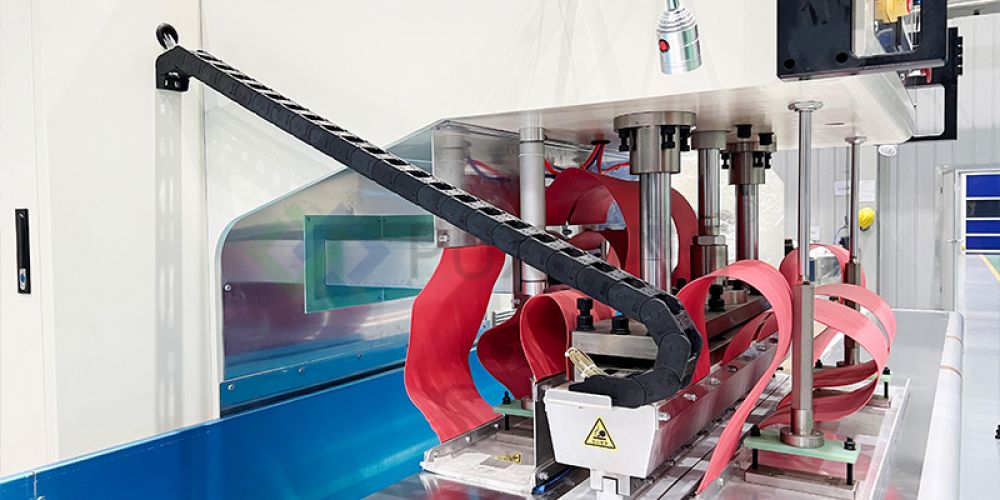
High-frequency welding technology is a key process in tent manufacturing. It achieves precise welding of plastic…
.png)
High-frequency welding and hot air welding for tents differ significantly in principle, applicability, efficiency, and finished…
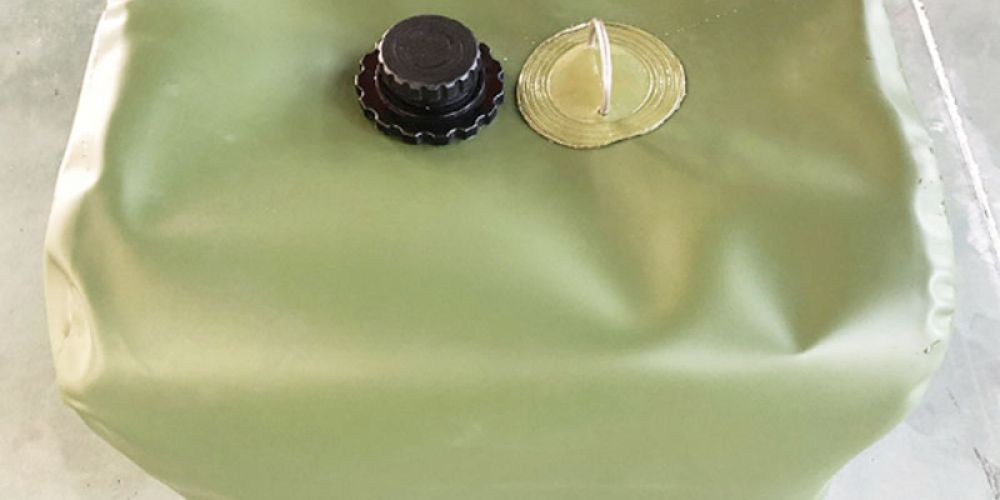
I. Fuel Tanks Revolutionize Energy Transportation 1. Flexible Transportation, Overcoming Spatial Limitations Traditional energy transportation methods…
I. Principle of High-Frequency Welding of Oil Bladders High-frequency welding utilizes the skin effect and proximity…