

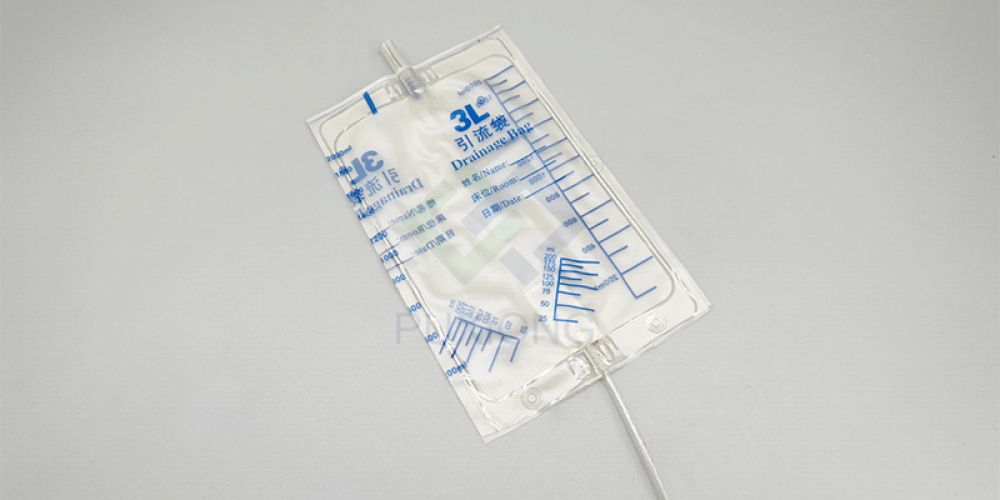
I. Technical Principle: Molecular-level fusion driven by high-frequency electromagnetic fields
Medical-grade high-frequency welding equipment uses high-frequency electromagnetic fields (typically with frequencies of 27.12MHz or 40.68MHz) to polarize the internal molecules of medical plastics such as PVC and TPU, generating heat and achieving uniform softening of the welding surface. Unlike traditional hot-melt welding which relies on external heat sources for conduction, high-frequency welding directly acts on the material molecules, increasing the heating rate by more than ten times. Moreover, the heat-affected zone is limited to the weld layer, preventing overall deformation or degradation of the material.
II. Core Advantages: Comprehensive upgrade from process control to clinical value
Uniform heating at the molecular level enhances sealing reliability
High-frequency welding penetrates materials through electromagnetic fields to achieve uniform temperature distribution on the welding surface.
2. Three-dimensional structure adaptation, supporting complex product design
Customized mold design enables high-frequency welding equipment to handle complex structures, such as the integrated welding of anti-backflow valves and bag bodies, and the pipeline integration of multi-channel drainage bags.
3. Biocompatibility guarantee, meeting medical-grade safety standards
The high-frequency welding process involves no chemical flux, thus avoiding the residue of heavy metals. After testing, the heavy metal content of the drainage bags produced by this technology is less than 0.1μg/g, which complies with the RoHS environmental protection standard and can be directly used by sensitive groups such as newborns and postoperative patients. In addition, the equipment is equipped with a double-layer high-frequency magnetic field shielding system, which reduces the electromagnetic radiation intensity to below 0.5μT (the national standard is ≤5μT), ensuring the safety of the operators.
4. Full-process automation to enhance production efficiency and cost control
High-frequency welding equipment can integrate full-process automation including raw material conveying, heat sealing welding, automatic cutting, and finished product inspection. Meanwhile, the equipment supports rapid mold changing, enabling the "production by order" mode.
.jpg)
The applications of PVDF membrane materials—involving processes such as coating, sanding, and welding—in the environmental protection…
.jpg)
I. Advantages of Grinding and Welding PVDF-Coated Membrane Fabric 1. Improved Weldability: Grinding removes the surface…
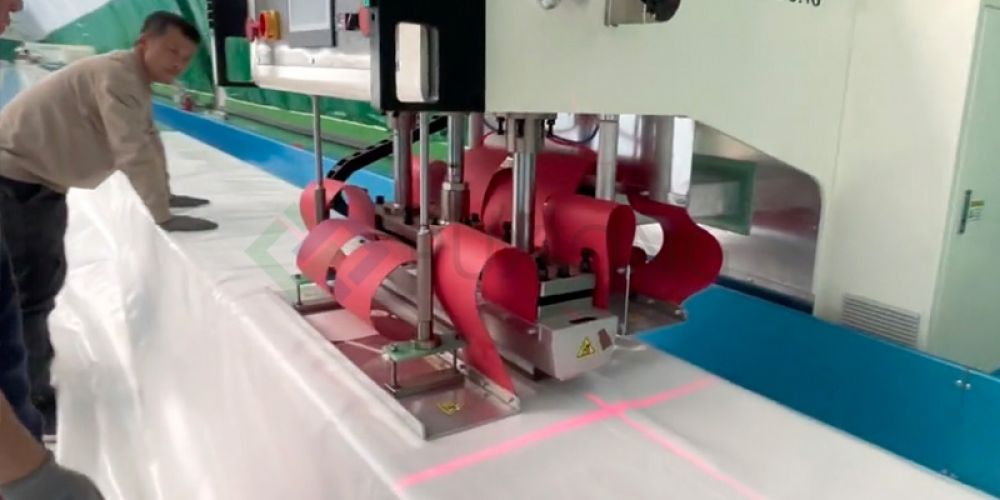
In the field of modern architecture, the construction of large-scale venues requires not only meeting functional…
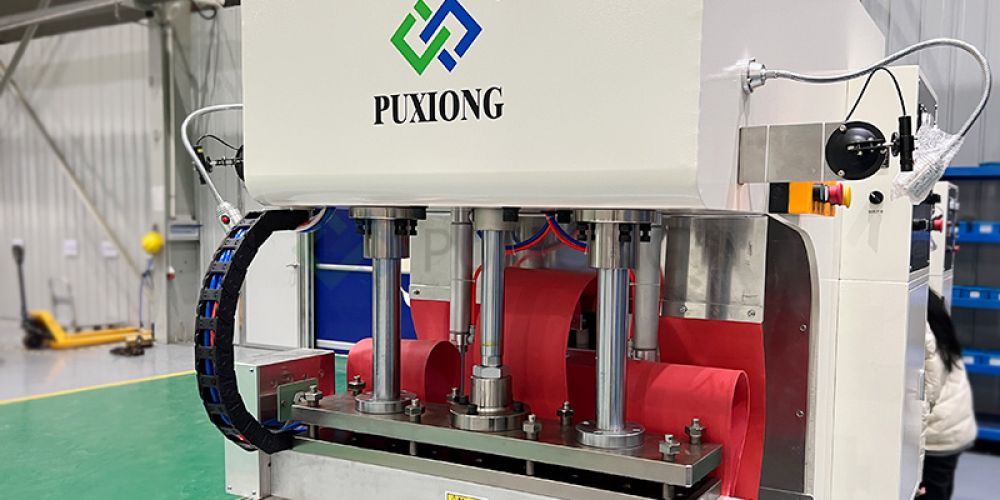
The advantages of high-frequency welding for tensile membrane structures primarily include the following aspects: 1. **Simple…
.jpg)
Welded tensile membrane structures are widely used in landscape architecture and offer significant advantages. The following…

Gas storage bags play a vital role in industrial production by storing gases, regulating pressure, enhancing…