

.jpg)
High-frequency welding offers significant advantages in blood bag manufacturing. Through a deep integration of physical principles and process design, it achieves comprehensive breakthroughs in sealing, safety, production efficiency, and environmental friendliness, becoming a core technology for ensuring the safety of blood products and driving the upgrade of medical packaging. The following is a brief summary of its core advantages:
I. Sealing: Molecular-level fusion constructs a long-lasting barrier
High-frequency welding uses a high-frequency electromagnetic field to excite the internal molecular polarization and frictional heat of the plastic material, causing the molecular chains to intertwine and fuse in a molten state. The weld seam formed by this welding method is seamlessly integrated with the base material, without adhesive layers or mechanical gaps, completely blocking the penetration of gases, liquids, and microorganisms. Compared to traditional adhesive bonding or hot plate welding, high-frequency welded blood bags have higher weld strength and greater pressure resistance, capable of withstanding the bumps and pressure during long-term transportation, ensuring the aseptic stability of blood products during storage.
II. Safety: Dual Guarantee of Sterility and Biocompatibility
1. Non-Contact Heating Reduces Contamination Risk
High-frequency welding electrodes do not directly contact the material, avoiding the risks of metal debris shedding or lubricant contamination associated with traditional hot plate welding. It also produces no combustion fumes or volatile organic compounds, making it highly compatible with laminar flow cleanrooms and meeting the sterility requirements of medical device production.
2. Precise Temperature Control Prevents Material Degradation
Through an intelligent temperature regulation system, the welding temperature is strictly controlled within the safe threshold of the plastic material, preventing thermal degradation products (such as plasticizers or toxic gases) from migrating into the bloodstream. Furthermore, spark suppression technology can instantly cut off abnormal currents, preventing material burn-through or fire hazards.
3. Smooth Weld Surface Reduces Cell Damage
The surface smoothness of high-frequency welding is far superior to that of ultrasonic welding, with extremely low roughness. This significantly reduces the breakage rate of blood cells during flow, making it particularly suitable for the long-term preservation of sensitive components such as red blood cells and platelets.
.jpg)
The applications of PVDF membrane materials—involving processes such as coating, sanding, and welding—in the environmental protection…
.jpg)
I. Advantages of Grinding and Welding PVDF-Coated Membrane Fabric 1. Improved Weldability: Grinding removes the surface…
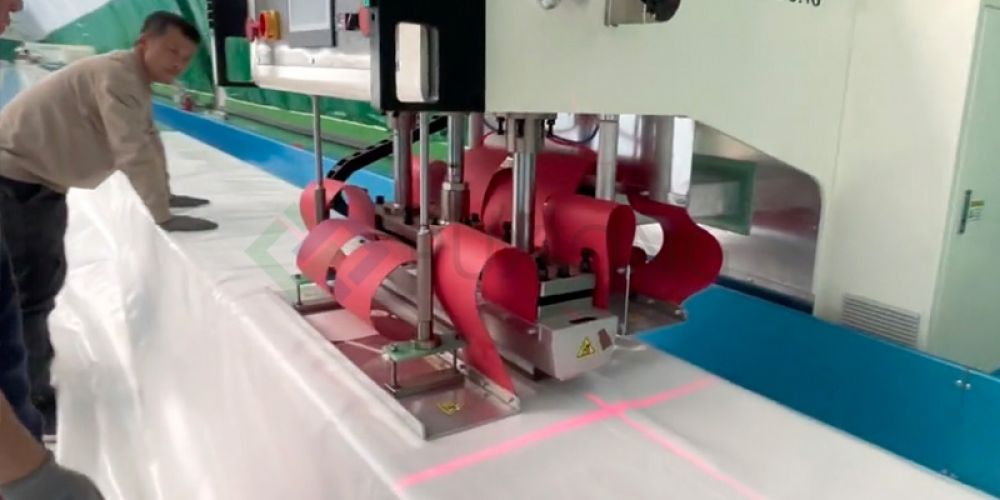
In the field of modern architecture, the construction of large-scale venues requires not only meeting functional…
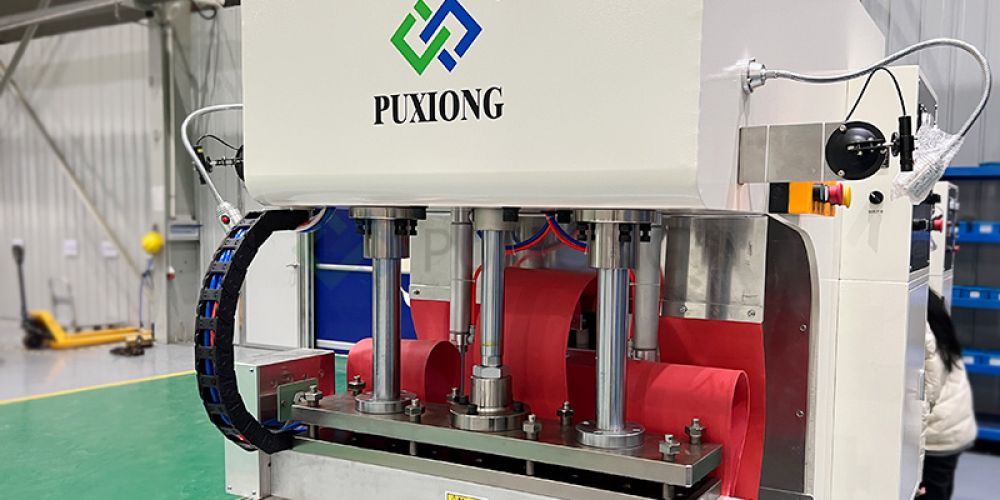
The advantages of high-frequency welding for tensile membrane structures primarily include the following aspects: 1. **Simple…
.jpg)
Welded tensile membrane structures are widely used in landscape architecture and offer significant advantages. The following…

Gas storage bags play a vital role in industrial production by storing gases, regulating pressure, enhancing…