

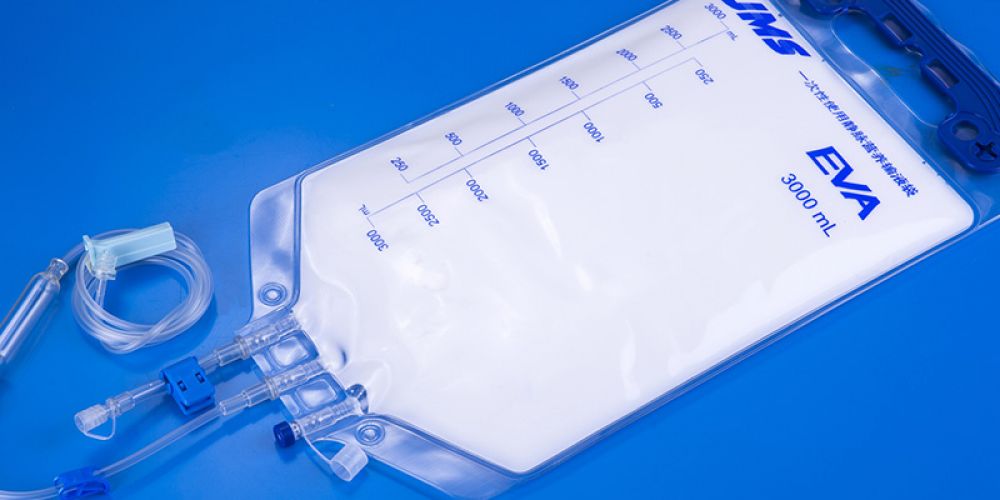
1. The positive impact of high-frequency welding on the safety of nutrition bags
1. High sealing and prevention of pollution
High-frequency welding generates heat through molecular friction, so that the contact interface melts evenly and forms a flawless weld. This sealing method can effectively prevent external microorganisms, moisture and oxygen from entering the nutrition bag, and prevent the contents from deteriorating or contaminating. For example, in the production of medical nutrition bags, high-frequency welding can ensure the sealing of the infusion system and reduce the risk of infection.
2. Wide material adaptability and support for safe materials
High-frequency welding is suitable for polar thermoplastic polymers such as PVC, PET, nylon, etc., which are often used in the production of nutrition bags. Although PVC materials have potential health risks due to the presence of plasticizers (such as DEHP), medical device companies are developing non-PVC and/or non-DEHP PVC materials to replace traditional PVC and further improve safety. High-frequency welding technology is compatible with these new safe materials and meets the requirements of nutrition bags for chemical stability.
3. Clean and environmentally friendly, avoiding chemical residues
High-frequency welding does not require glue or solvents, and there is no smoke or harmful gas emissions during the welding process, which meets the high cleanliness requirements of food and pharmaceutical packaging. This feature can prevent chemicals from migrating into the contents of the nutrient bag and ensure food safety.
4. Automated control to reduce human errors
High-frequency welding equipment is easy to integrate with automated production lines, and the welding parameters (such as amplitude, pressure, and time) can be precisely adjusted through digital control systems to ensure the consistency and reliability of welding quality. Automated production can reduce human operation errors and reduce the risk of leakage caused by weak welding.
2. Potential risks and control of high-frequency welding in nutrient bag applications
1. Material selection risks
Potential hazards of PVC materials: Traditional PVC materials contain plasticizers (such as DEHP), which may migrate into the contents of the nutrient bag at high temperatures or long-term contact, posing a potential threat to human health.
Control measures: Select non-PVC or non-DEHP PVC materials, or prepare polar/non-polar composite materials through co-extrusion process to reduce the use of plasticizers.
2. Welding defect risks
Common defects: including inclusions (black overburned oxides), insufficient fusion, pores, etc., which may cause leakage or reduced sealing of nutrient bags.
Control measures: Optimize welding process parameters (such as V-neck angle and welding pressure), use high-precision molds and visual positioning systems to ensure assembly accuracy; integrate visual inspection systems to monitor weld quality in real time.
.jpg)
The applications of PVDF membrane materials—involving processes such as coating, sanding, and welding—in the environmental protection…
.jpg)
I. Advantages of Grinding and Welding PVDF-Coated Membrane Fabric 1. Improved Weldability: Grinding removes the surface…
In the field of modern architecture, the construction of large-scale venues requires not only meeting functional…
The advantages of high-frequency welding for tensile membrane structures primarily include the following aspects: 1. **Simple…
.jpg)
Welded tensile membrane structures are widely used in landscape architecture and offer significant advantages. The following…

Gas storage bags play a vital role in industrial production by storing gases, regulating pressure, enhancing…