

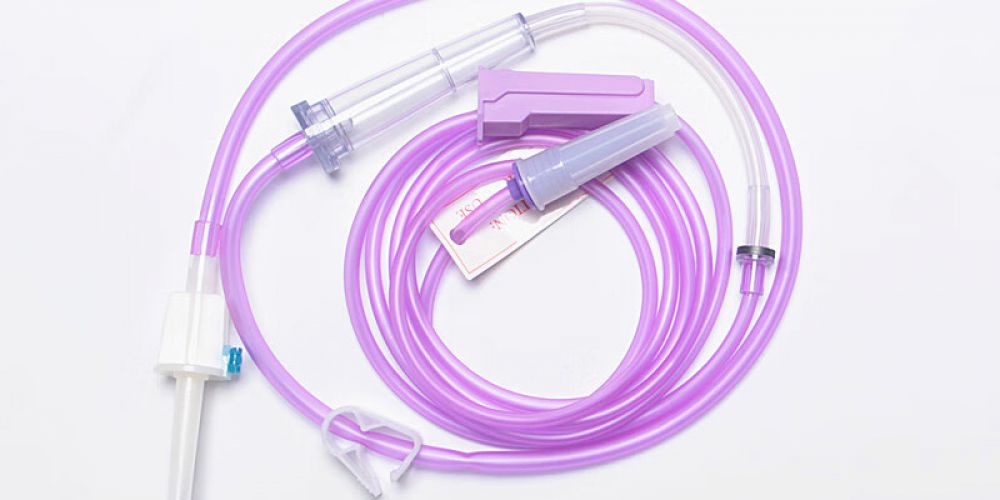
I. High-Frequency Welding Principles: Molecular-Level Heating and Seamless Fusion
High-frequency welding (also known as dielectric welding or radio frequency welding) utilizes a high-frequency electric field (27.12 MHz or 40.68 MHz) acting on polar thermoplastics (e.g., PVC, TPU, PETG) to achieve fusion via molecular polarization and frictional heating. Its core mechanisms are as follows:
Molecular Polarization and Frictional Heating
Under a high-frequency electric field, dipoles in plastic molecules oscillate rapidly in alignment with the field direction, generating intense intermolecular friction that converts electrical energy into thermal energy.
Precise Temperature Control and Localized Heating
High-frequency energy concentrates on the material’s surface layer, avoiding thermal deformation of the entire structure.
Seamless Fusion and Joint-Free Structure
Molecular cross-fusion creates seamless connections without adhesive residues or mechanical indentations, minimizing contamination risks in nutrient solutions. Clinical data show that microbial contamination rates in high-frequency welded nutrient bags are <0.01%, outperforming traditional heat-sealing methods.
II. Core Applications of High-Frequency Welding in Nutrient Bag Production
Precision Bonding of Liquid Bags and Soft Tubing
Welding of Multi-Layer Composite Materials
.jpg)
The applications of PVDF membrane materials—involving processes such as coating, sanding, and welding—in the environmental protection…
.jpg)
I. Advantages of Grinding and Welding PVDF-Coated Membrane Fabric 1. Improved Weldability: Grinding removes the surface…
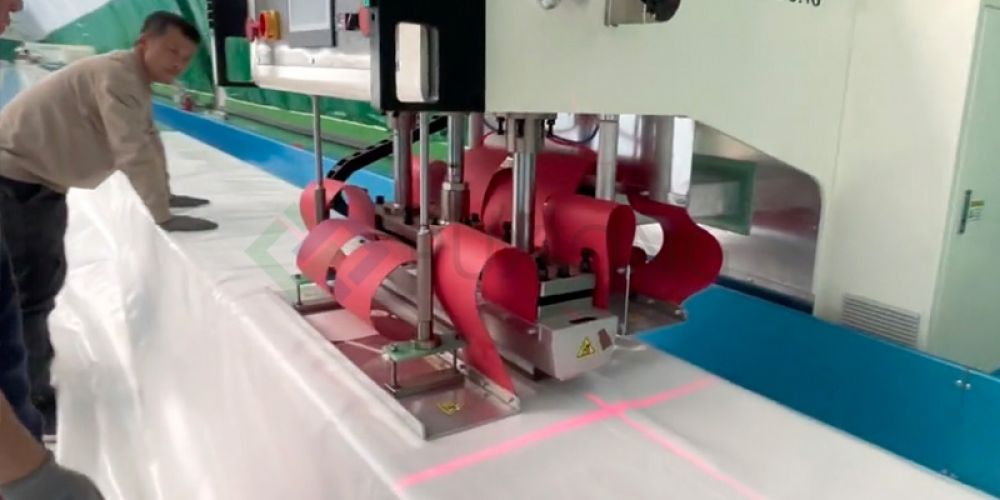
In the field of modern architecture, the construction of large-scale venues requires not only meeting functional…
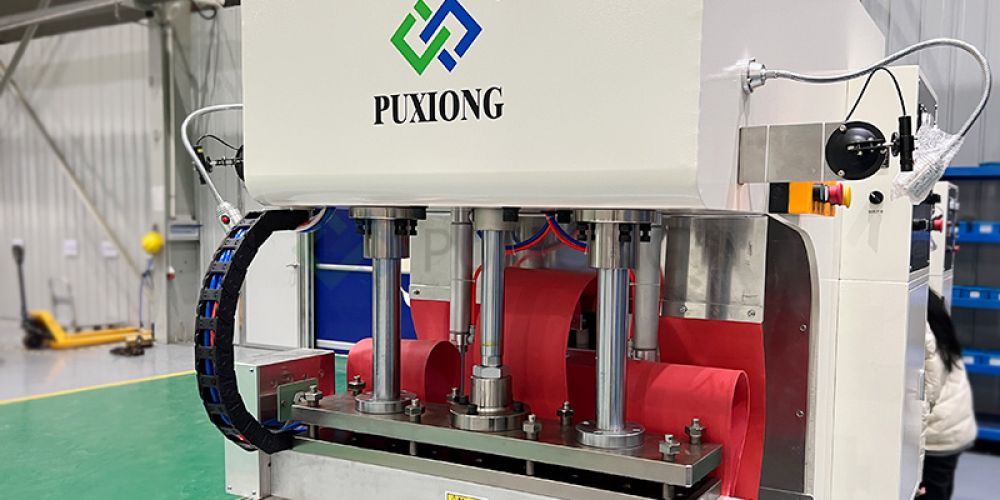
The advantages of high-frequency welding for tensile membrane structures primarily include the following aspects: 1. **Simple…
.jpg)
Welded tensile membrane structures are widely used in landscape architecture and offer significant advantages. The following…

Gas storage bags play a vital role in industrial production by storing gases, regulating pressure, enhancing…