
BLOGS

All Blogs

Welding characteristics and principles of enteral nutrition infusion sets

The welding technology for enteral nutrition infusion sets centers on high-frequency welding, with its characteristics and principles fundamentally focused on enhancing sealing integrity, material compatibility, and clinical safety. A detailed analysis is outlined below:


I. Core Principles of High-Frequency Welding

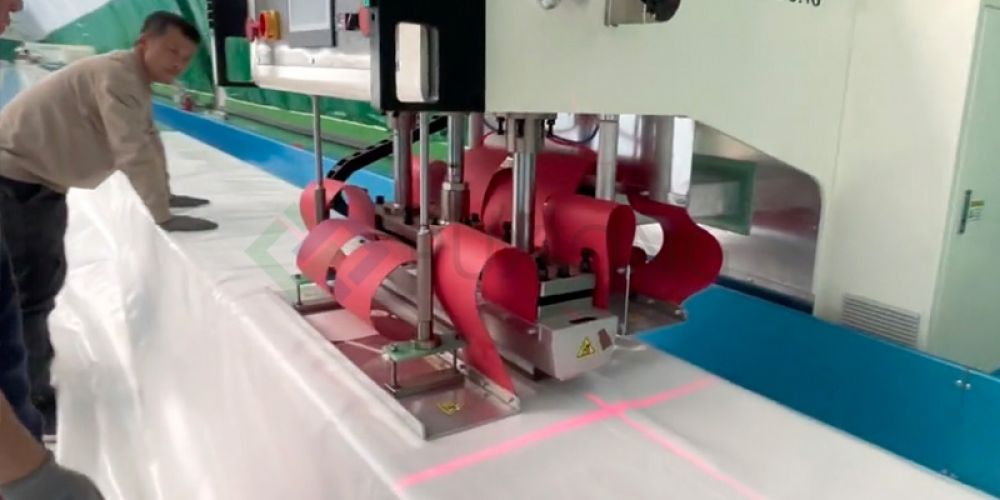
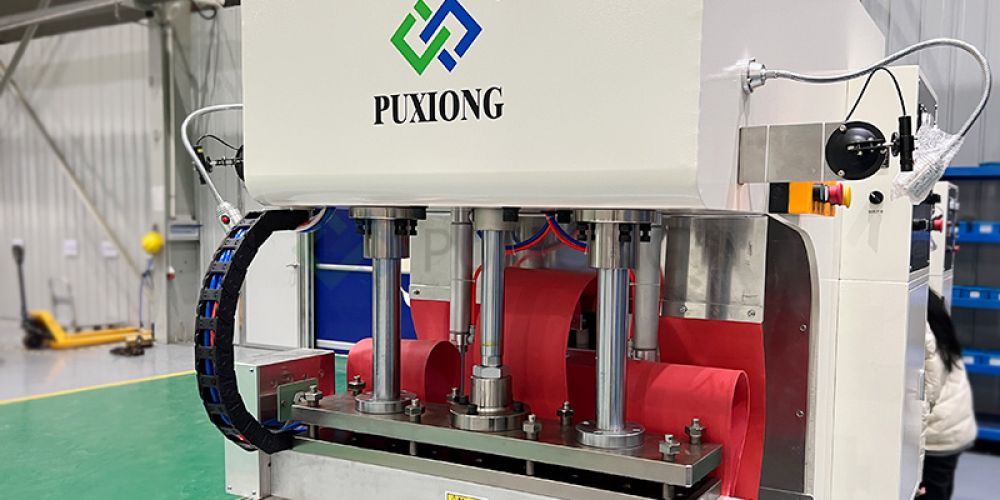
High-frequency welding utilizes a high-frequency electric field (typically 27.12 MHz or 40.68 MHz) to polarize and frictionally heat plastic molecules, causing the material to melt and fuse. This process requires no adhesives or solvents, relying solely on intermolecular forces for sealing. Key technical advantages include:

  1. Molecular-Level Fusion: The welded layer shares the same molecular structure as the base material, eliminating weak interfacial layers. The sealing strength significantly surpasses traditional heat-melting or adhesive methods.
  2. Uniform Heating: The electromagnetic field penetrates the material internally, avoiding localized overheating-induced degradation. This is particularly advantageous for welding multilayer composite materials.
  3. Chemical-Free Residues: No volatile organic compounds (VOCs) or adhesive residues are generated, reducing infection risks for patients and aligning with ISO 13485 standards for medical product cleanliness.

II. Welding Features: Dual Assurance of Safety and Functionality

  1. Exceptional Sealing Integrity

    • Negative Pressure Testing: Maintains leak-free performance under -80 kPa pressure for 1 minute, minimizing rupture risks during transport or pressure fluctuations.
  2. Material Compatibility

    • Multilayer Composite Welding: Enables uniform fusion of PE/AL/NY multilayer materials to meet high-barrier requirements (e.g., gas permeation resistance, UV aging resistance), extending nutrient solution shelf life to over 18 months.
  3. Complex Structural Forming

    • Customized Interface Welding: Precision welding of multi-channel connectors and three-dimensional standing bags is achieved via profile-matching electrode designs, ensuring seamless integration of functional components.
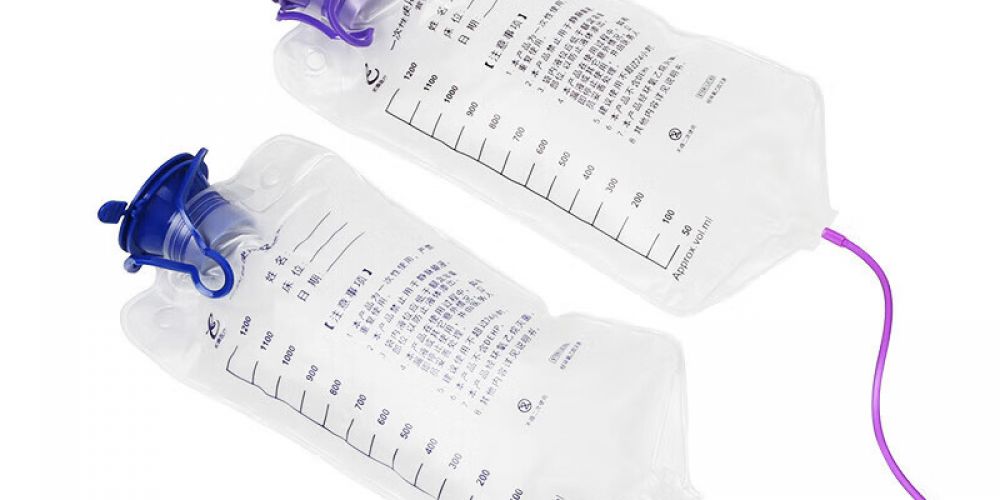
    • Tapered Connector Welding: High-frequency welded tapered connectors feature a gradually varying outer diameter to accommodate enteral tubes of different sizes. A threaded sleeve and slider linkage mechanism ensures secure connections between the enteral tube and nutrition tube, eliminating leaks or loosening common in traditional designs.
  4. Surface Quality Optimization

    • No Mechanical Indentations: Electromagnetic field heating minimizes surface roughness, facilitating sterilization and reducing bacterial colonization risks.
    • Transparency and Graduation Precision: Co-extrusion of transparent and functional layers (e.g., anti-fog, anti-static) achieves 0.1 mm graduation clarity with <2% monitoring error, preventing complications from feeding inaccuracies.