

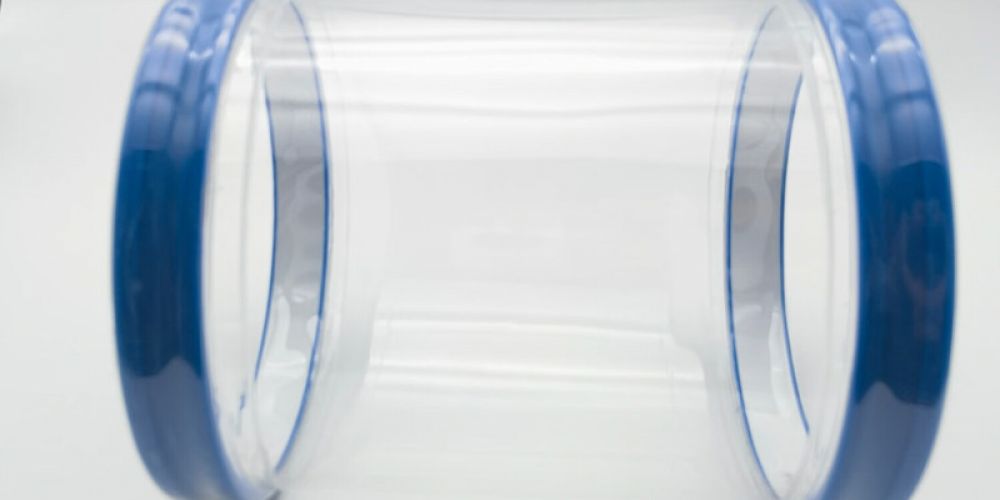
I. Material and Structural Characteristics
1. Material Fundamentals
The polyurethane transparent powder soft connector utilizes thermoplastic polyurethane (TPU) as its core material. Through molecular structure engineering, it achieves a balance between high transparency (≥85% transmittance) and flexibility, enabling clear visualization of internal powder flow dynamics—ideal for process scenarios requiring real-time monitoring.
2. Structural Optimization
3. Rapid Assembly Design
Incorporates a clamp-type quick-install system with precision-engineered mating interfaces for tool-free disassembly/reassembly within 30 seconds. Seal integrity validated via explosion-resistant pressure testing, ensuring reliability in extreme operating conditions.
II. Performance Advantages
1. Wear and Fatigue Resistance
2. Sealing Integrity and Hygiene Compliance
3. Environmental Resilience
.jpg)
The applications of PVDF membrane materials—involving processes such as coating, sanding, and welding—in the environmental protection…
.jpg)
I. Advantages of Grinding and Welding PVDF-Coated Membrane Fabric 1. Improved Weldability: Grinding removes the surface…
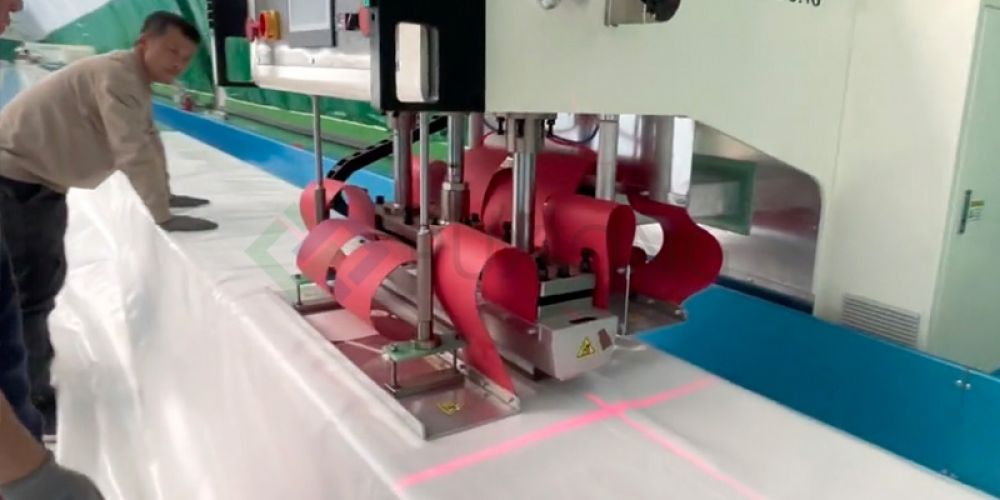
In the field of modern architecture, the construction of large-scale venues requires not only meeting functional…
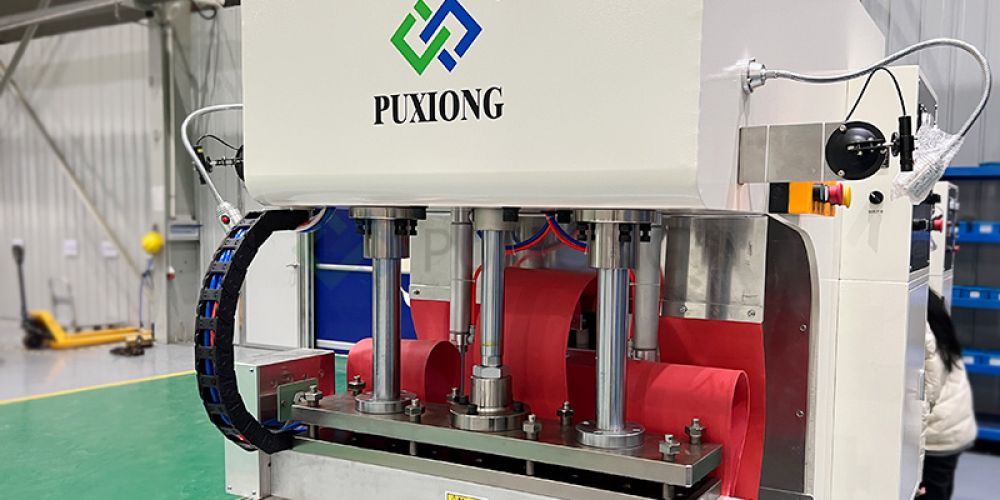
The advantages of high-frequency welding for tensile membrane structures primarily include the following aspects: 1. **Simple…
.jpg)
Welded tensile membrane structures are widely used in landscape architecture and offer significant advantages. The following…

Gas storage bags play a vital role in industrial production by storing gases, regulating pressure, enhancing…