

Molecular-Level Fusion with Superior Sealing Performance
High-frequency welding utilizes an electromagnetic field to generate frictional heat within TPU molecular chains, achieving molecular-level fusion under pressure to form seamless welds. This method eliminates the need for adhesives, delivers weld strength comparable to the base material, and produces smooth, protrusion-free surfaces—ideal for high-cleanliness applications (e.g., medical and electronics industries).
Precise Temperature Control to Prevent Thermal Damage
The heat generated in high-frequency welding is localized to the welding area, with an extremely small heat-affected zone, avoiding overall material deformation or performance degradation. By adjusting frequency and power, welding depth can be flexibly controlled to accommodate TPU materials of varying thickness and hardness.
Compatibility with Transparent and Functional Materials
High-frequency welding is suitable for transparent TPU, maintaining high light transmittance post-welding for real-time monitoring needs. Additionally, the process preserves the distribution of anti-static agents, ensuring welded flexible connectors retain both conductivity and transparency.
Advantages of High-Frequency Welding for Anti-Static TPU Flexible Connectors
Long-Term Stability of Anti-Static Performance
High-frequency welding does not compromise the anti-static structure within TPU. Post-welding surface resistance remains stable, effectively preventing electrostatic accumulation and discharge—a critical feature in electronics manufacturing and chemical industries to avoid equipment failure or safety hazards.
Exceptional Chemical Resistance and Weathering Performance
TPU inherently resists acids, alkalis, and oils. High-frequency welding enhances weld density, enabling flexible connectors to withstand harsh environments without leakage. TPU’s low-temperature resistance ensures welded connectors remain flexible even in extreme cold.
High Production Efficiency and Cost Control
.jpg)
The applications of PVDF membrane materials—involving processes such as coating, sanding, and welding—in the environmental protection…
.jpg)
I. Advantages of Grinding and Welding PVDF-Coated Membrane Fabric 1. Improved Weldability: Grinding removes the surface…
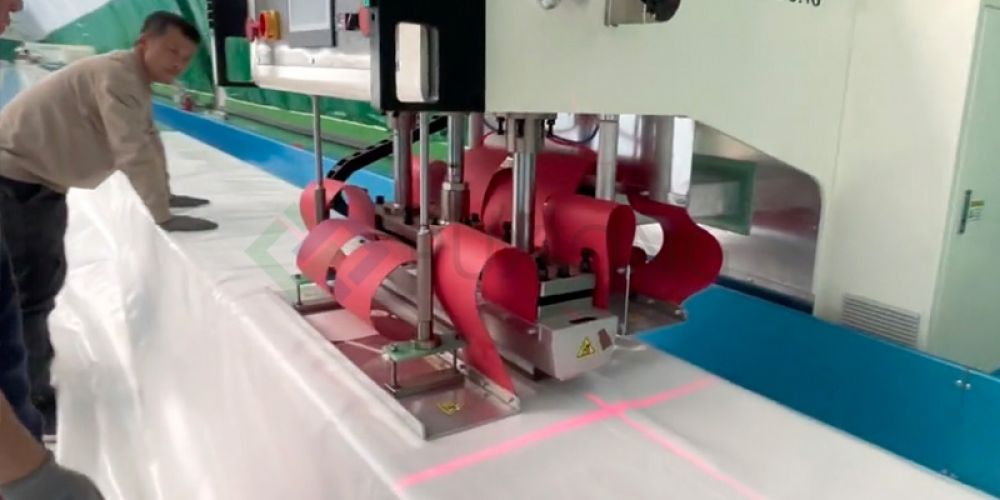
In the field of modern architecture, the construction of large-scale venues requires not only meeting functional…
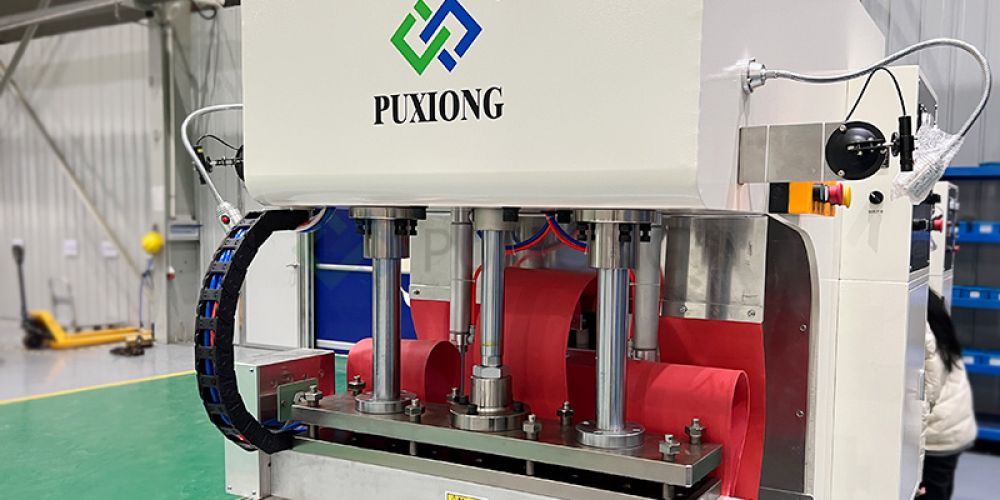
The advantages of high-frequency welding for tensile membrane structures primarily include the following aspects: 1. **Simple…
.jpg)
Welded tensile membrane structures are widely used in landscape architecture and offer significant advantages. The following…

Gas storage bags play a vital role in industrial production by storing gases, regulating pressure, enhancing…