

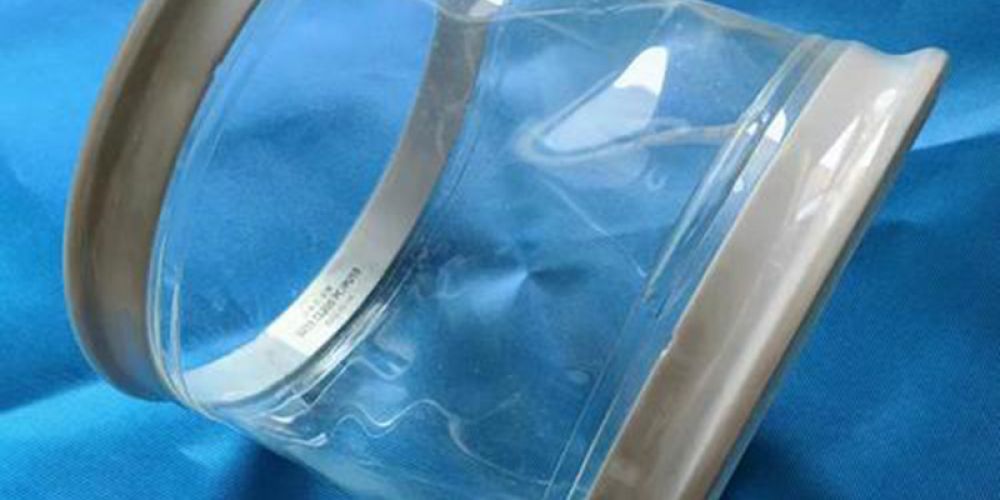
HFW directly applies a high-frequency electromagnetic field to TPU molecules, causing them to reach a molten state within milliseconds. This process significantly outpaces traditional methods like heat pressing or adhesive bonding.
Example: In surgical robot TPU protective cover production, HFW achieves single-point welding times as short as X seconds, with weld strength exceeding 80% of the base material's strength, drastically improving production efficiency.
Through molecular friction-induced heating, HFW enables molecular-level fusion of TPU materials in their molten state, forming seamless joints. This is critical in medical applications.
Example: For TPU IV fluid bags, HFW ensures helium leak rates below X cc/min, complying with ISO 11607 medical packaging standards for airtightness.
HFW accommodates TPU materials of varying thicknesses and imposes no restrictions on color or transparency.
Example: In automotive electronics, HFW simultaneously bonds black conductive TPU with transparent non-conductive TPU, meeting requirements for EMI shielding and visual inspection.
.jpg)
The applications of PVDF membrane materials—involving processes such as coating, sanding, and welding—in the environmental protection…
.jpg)
I. Advantages of Grinding and Welding PVDF-Coated Membrane Fabric 1. Improved Weldability: Grinding removes the surface…
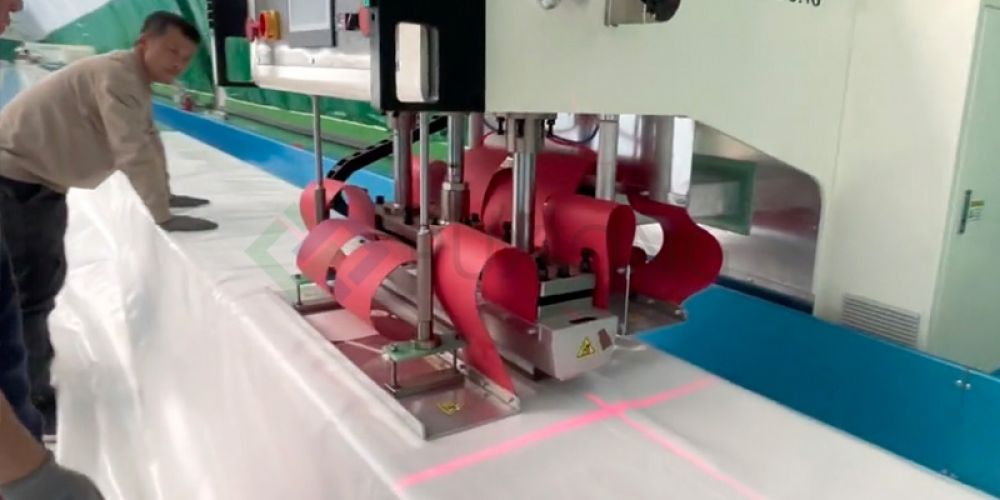
In the field of modern architecture, the construction of large-scale venues requires not only meeting functional…
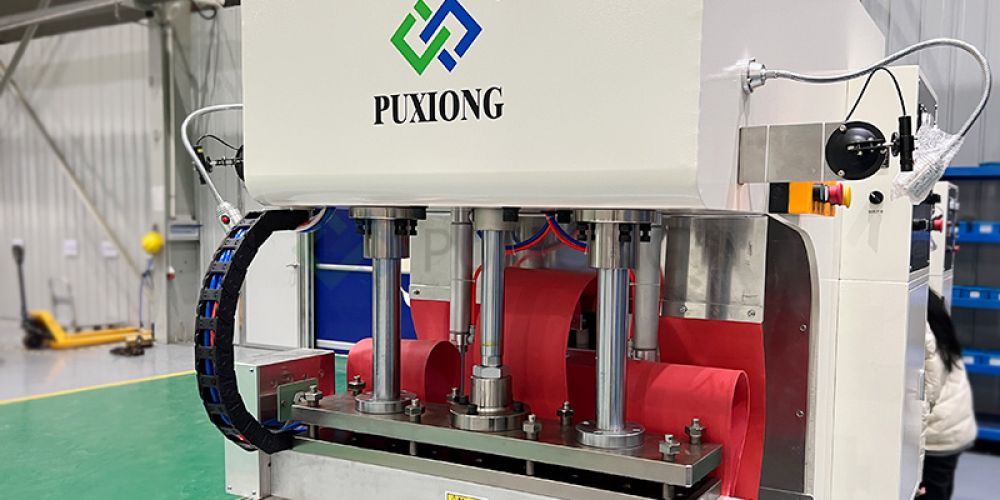
The advantages of high-frequency welding for tensile membrane structures primarily include the following aspects: 1. **Simple…
.jpg)
Welded tensile membrane structures are widely used in landscape architecture and offer significant advantages. The following…

Gas storage bags play a vital role in industrial production by storing gases, regulating pressure, enhancing…