

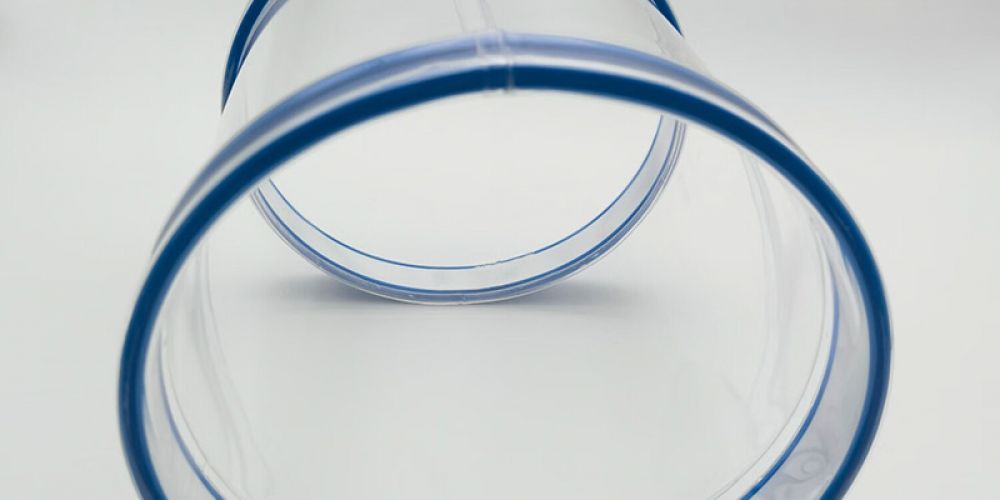
The principle of high-frequency welding for TPU soft joints is based on the skin effect and proximity effect of high-frequency current. It utilizes electromagnetic fields to rapidly heat localized areas of the material to a molten state, followed by mechanical pressure to achieve molecular-level bonding and form high-strength sealed welds. Below are the detailed principles and implementation methods:
When high-frequency current (typically 27.12 MHz or 300–450 kHz) flows through a conductor, the current concentrates on the conductor’s surface, exhibiting "surface-concentrated behavior." This property ensures that heat during TPU welding is localized at the material’s surface layer, preventing overall overheating (which degrades performance) while improving heating efficiency.
When high-frequency currents flow in opposite directions through adjacent conductors, the current aggregates toward the adjacent sides. In TPU welding, by designing the relative positions of electrodes and workpieces, the current path is precisely controlled to focus heat on the targeted welding zone, enabling localized and accurate heating.
A high-frequency power supply generates an alternating electric field between electrodes. The TPU (as a dielectric material) is sandwiched between the electrodes. The electric field induces intense molecular friction within the TPU, generating heat. Due to rapid heat dissipation at the electrode-material interface, heat concentrates at the internal junction of the TPU, forming a molten layer.
.jpg)
The applications of PVDF membrane materials—involving processes such as coating, sanding, and welding—in the environmental protection…
.jpg)
I. Advantages of Grinding and Welding PVDF-Coated Membrane Fabric 1. Improved Weldability: Grinding removes the surface…
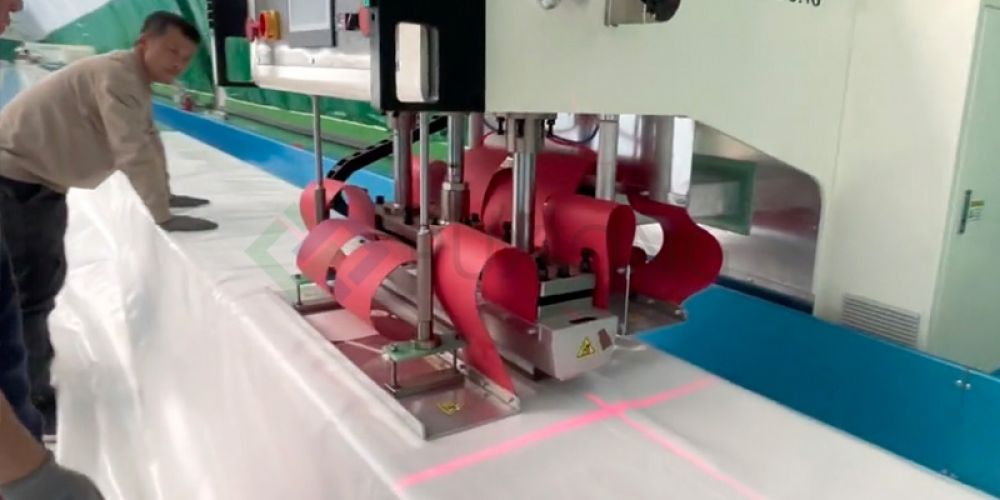
In the field of modern architecture, the construction of large-scale venues requires not only meeting functional…
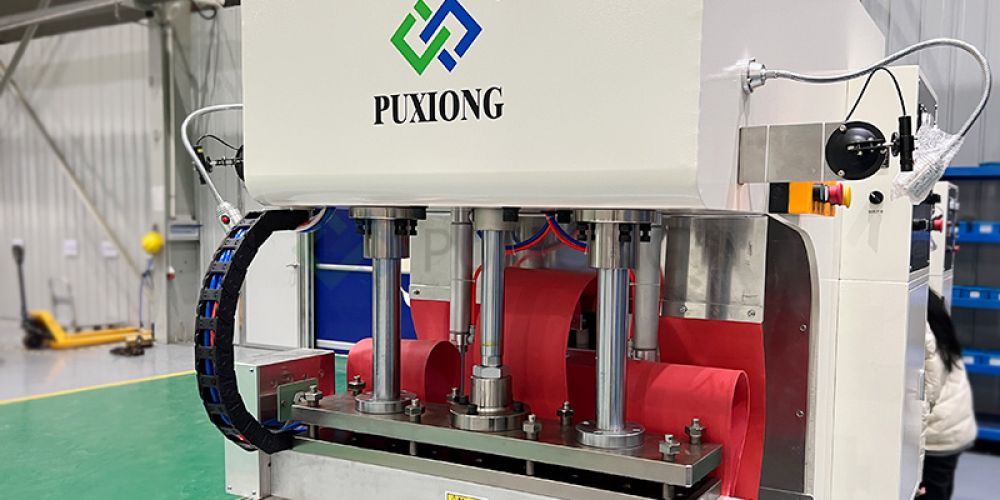
The advantages of high-frequency welding for tensile membrane structures primarily include the following aspects: 1. **Simple…
.jpg)
Welded tensile membrane structures are widely used in landscape architecture and offer significant advantages. The following…

Gas storage bags play a vital role in industrial production by storing gases, regulating pressure, enhancing…