

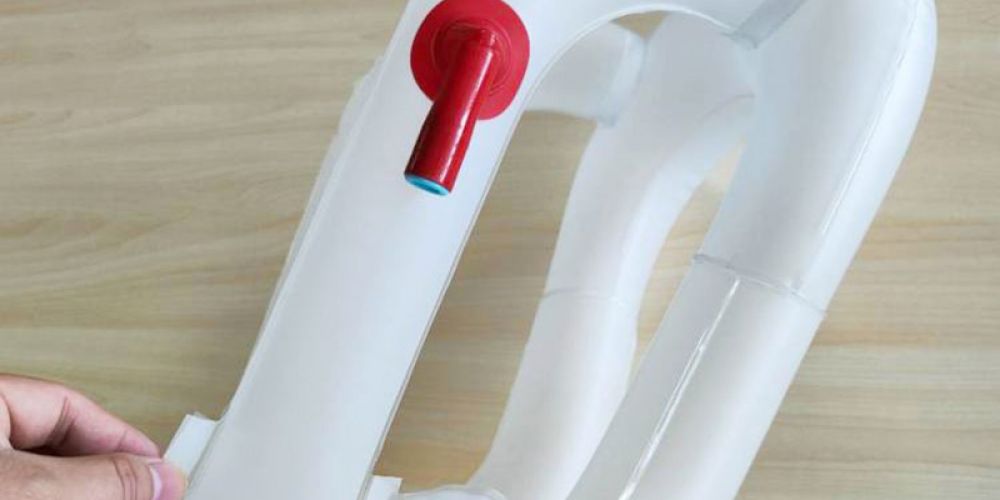
High-frequency welding technology achieves molecular-level material fusion through electromagnetic induction, demonstrating significant advantages over traditional welding methods reliant on heat conduction or chemical bonding in medical air cushion manufacturing. Its core breakthroughs can be summarized across five dimensions:
1. Sealing Performance: From "Surface Bonding" to "Lifetime Protection"
Problem Solved: Chronic micro-leakage in traditional methods
Traditional welding techniques (e.g., heat fusion, adhesive bonding) risk micro-leakage due to material aging, thermal damage, or adhesive layer detachment. High-frequency welding utilizes molecular vibration to achieve self-fusion of materials, creating additive-free, slagless pure welds. This "invisible barrier" withstands tens of thousands of inflation cycles, particularly vital for long-term sealing in postoperative braces or diabetic foot orthoses. It fundamentally resolves the "progressive failure" issue of conventional methods.
2. Precision: From "Millimeter Control" to "Micron-Level Adaptation"
Innovation Achieved: Balance between rigidity and flexibility
High-frequency welding equipment dynamically adjusts pressure and vibration frequency based on real-time material thickness detection, controlling weld width within 0.5mm (vs. 1-2mm in traditional methods). This precision maintains structural integrity while preserving material elasticity, crucial for welding breathable strips in armpit areas or joint zones. It eliminates stiffness from over-wide welds, achieving optimal "rigid support" and "soft compliance" integration.
3. Efficiency & Cost: From "Multi-Step Process" to "Single-Step Intelligent Production"
Revolution Implemented: Time compression and error reduction
Traditional welding requires preheating, pressurization, cooling, and inspection stages with human intervention, often causing rework from parameter fluctuations. High-frequency welding completes heating/fusion instantaneously via electromagnetic induction, cutting production time from minutes to seconds per unit when integrated with automated lines. Post-transformation, manufacturers achieve 90%+ error reduction, increased capacity, lower operational costs, and eliminate chemical waste/hazardous gas management.
4. Eco-Safety: From "High-Risk Operations" to "Clean Manufacturing"
Industry Transformation: Toxic-free production environment
Conventional adhesive welding uses benzene/toluene-containing solvents posing health hazards, while heat fusion requires explosive acetylene/oxygen mixtures. High-frequency welding eliminates chemical additives/open flames, reduces fume emissions, and incorporates overload protection/temperature monitoring. This complies with stringent medical device cleanliness/safety standards, driving green manufacturing transitions.
5. Clinical Value: From "Passive Support" to "Active Rehabilitation"
Paradigm Shift: Intelligent therapeutic intervention
The air-tight sealing enables integration of smart sensors for dynamic pressure regulation. This "sense-and-respond" capability transforms protective gear from static tools to rehabilitation partners. For instance, adjustable compression supports postoperative tissue repair while preventing compartment syndrome, exemplifying healthcare's shift toward tech-enhanced precision medicine.
.jpg)
The applications of PVDF membrane materials—involving processes such as coating, sanding, and welding—in the environmental protection…
.jpg)
I. Advantages of Grinding and Welding PVDF-Coated Membrane Fabric 1. Improved Weldability: Grinding removes the surface…
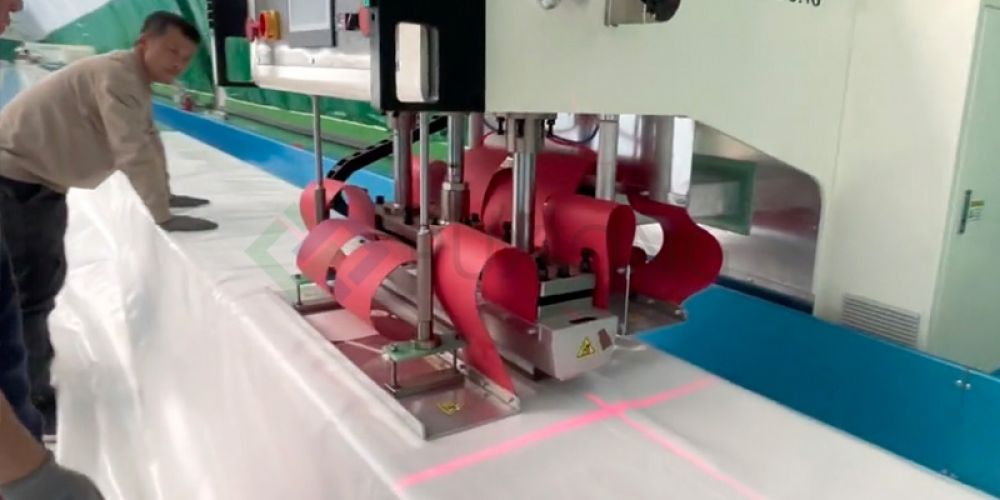
In the field of modern architecture, the construction of large-scale venues requires not only meeting functional…
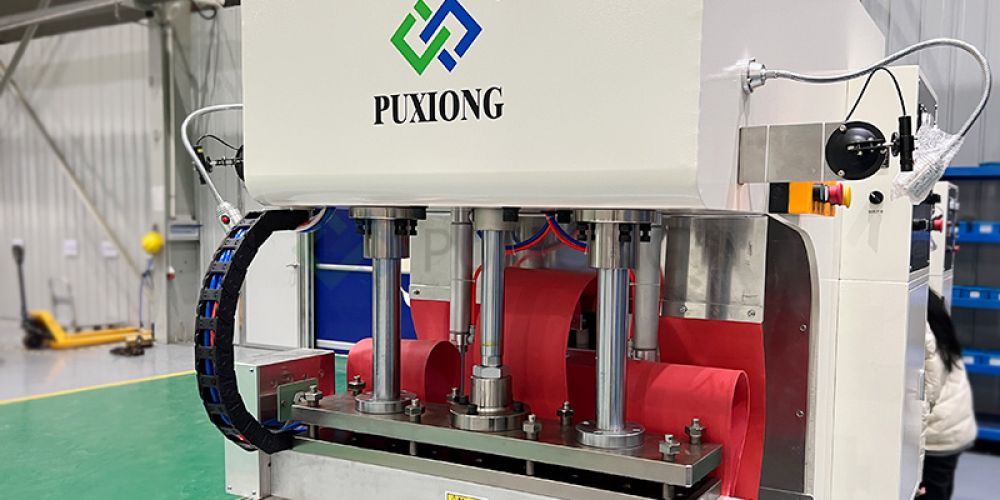
The advantages of high-frequency welding for tensile membrane structures primarily include the following aspects: 1. **Simple…
.jpg)
Welded tensile membrane structures are widely used in landscape architecture and offer significant advantages. The following…

Gas storage bags play a vital role in industrial production by storing gases, regulating pressure, enhancing…