

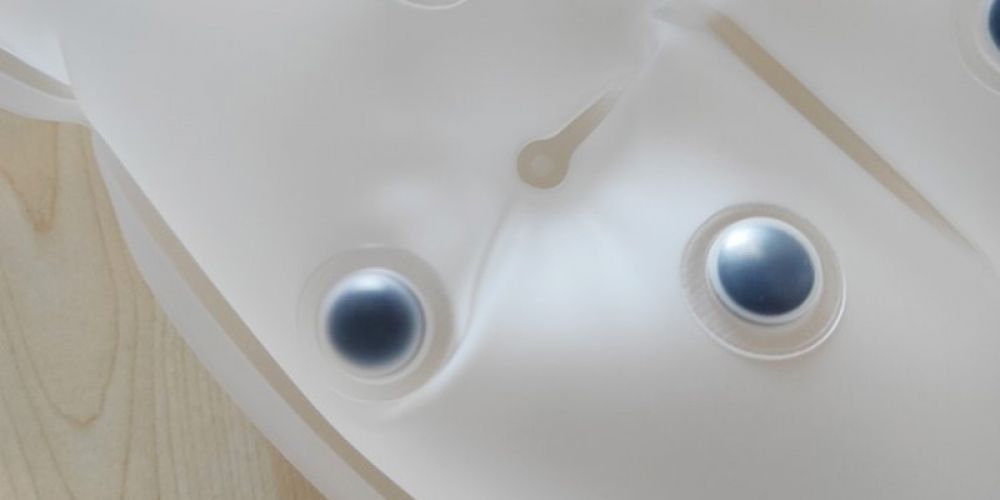
High-frequency welding technology ensures the biosafety of medical inflatable liners through multiple mechanisms: Its core principle utilizes high-frequency electromagnetic fields to excite molecular vibrations in materials, achieving molecular-level pure fusion that completely eliminates the biological toxicity risks of chemical adhesive residues inherent in traditional bonding processes. Simultaneously, it forms dense welds free from slag and additives, fundamentally preventing long-term issues such as skin allergies or tissue irritation caused by chemical substance leaching. Regarding sealing performance, the strong intermolecular bonding forces create lifelong hermetic seals, maintaining zero leakage through tens of thousands of inflation cycles - far exceeding the durability of conventional adhesive processes and effectively preventing pressure imbalance risks caused by gas leakage.
Technically, high-frequency welding achieves precision control of electromagnetic field distribution, compressing heat-affected zones to under 0.5 mm. This maximally preserves the material's original elasticity and biocompatibility, avoiding material embrittlement or deformation from thermal damage typical of traditional heat fusion welding. Its clean production features prove equally crucial - requiring no chemical solvents or open flames throughout the process, achieving a 90% reduction in particulate emissions. Combined with integrated overload protection and temperature monitoring systems, this ensures production environment cleanliness while eliminating occupational hazards like flammable gas explosions.
In clinical applications, the precise sealing capabilities enable integration of smart sensors within liners. For instance, independent air chambers allow dynamic pressure regulation, enabling post-operative braces to adjust pressure in real-time based on patient movement - preventing wound tearing while enhancing comfort. The integration with 3D printing technology permits ultra-thin, lightweight pediatric scoliosis braces with personalized support designs to improve compliance. Furthermore, rigorous quality control systems permeate the entire production process - from welding procedure qualification and real-time parameter monitoring to technician certification archives and daily quality safety protocols - ensuring every liner meets medical-grade standards and providing comprehensive safety assurance for patients.
.jpg)
The applications of PVDF membrane materials—involving processes such as coating, sanding, and welding—in the environmental protection…
.jpg)
I. Advantages of Grinding and Welding PVDF-Coated Membrane Fabric 1. Improved Weldability: Grinding removes the surface…
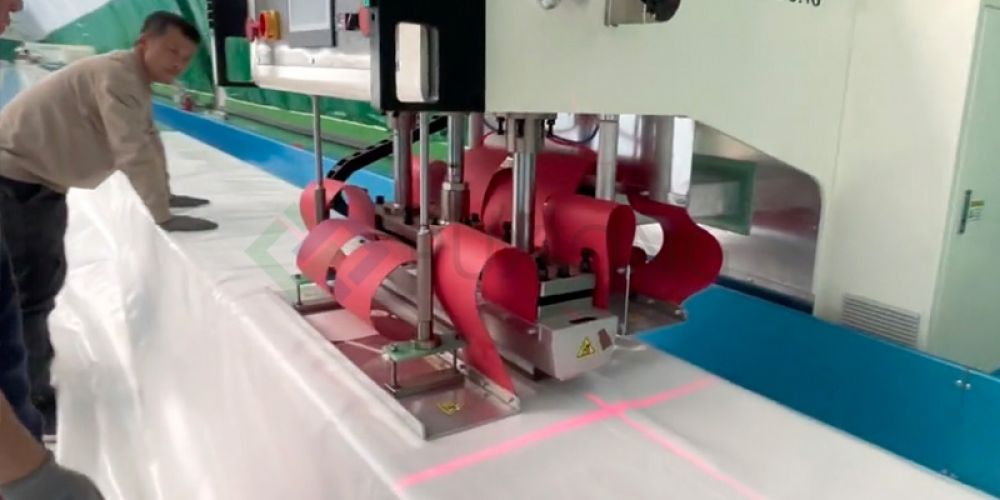
In the field of modern architecture, the construction of large-scale venues requires not only meeting functional…
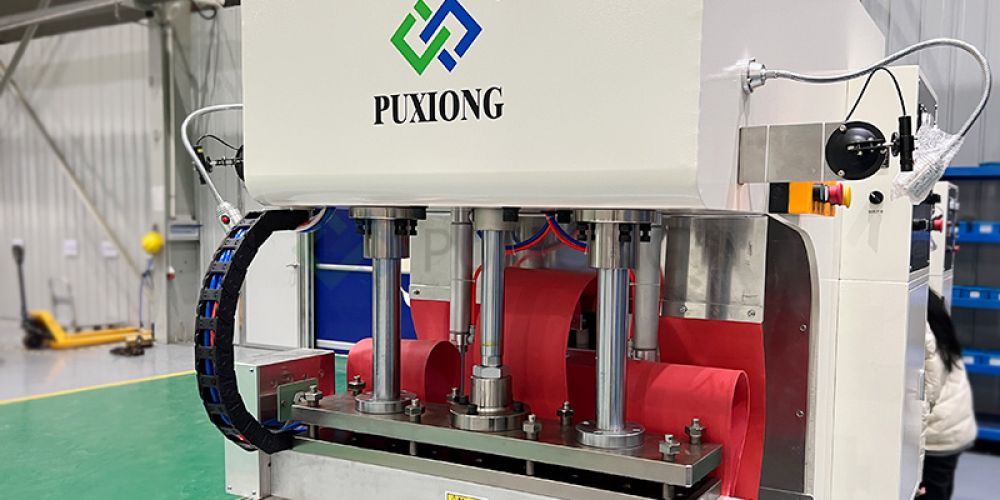
The advantages of high-frequency welding for tensile membrane structures primarily include the following aspects: 1. **Simple…
.jpg)
Welded tensile membrane structures are widely used in landscape architecture and offer significant advantages. The following…

Gas storage bags play a vital role in industrial production by storing gases, regulating pressure, enhancing…