

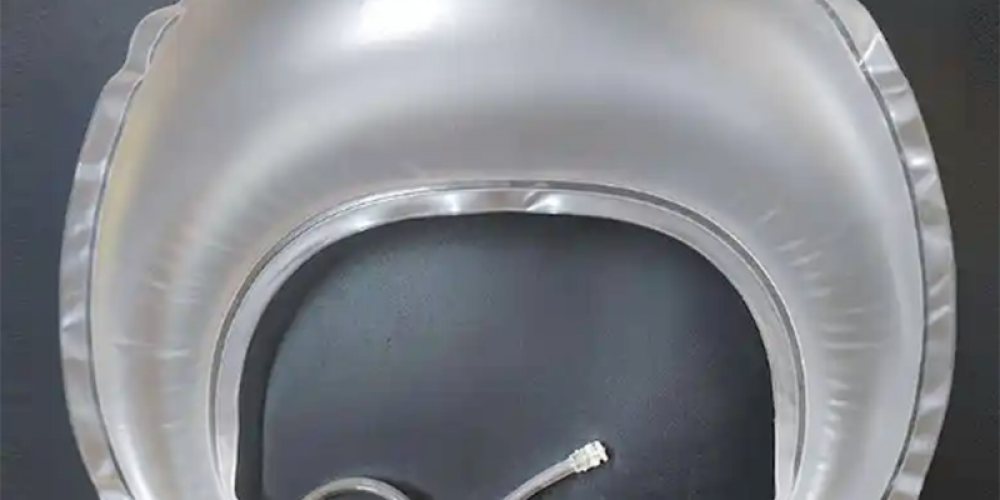
High-end medical protective equipment adopts high-frequency welding technology primarily due to its three core advantages: high efficiency & precision, cleanliness & safety, and flexibility & reliability. These characteristics perfectly align with the medical industry's stringent requirements for product performance, hygiene standards, and production efficiency. Below is a detailed analysis:
I. High Efficiency & Precision: Dual Enhancement of Speed and Quality
High-frequency welding utilizes electromagnetic induction to generate rapid molecular friction heating, completing welds within seconds. Its concentrated heating zone prevents material deformation or damage caused by prolonged heating in traditional welding. With high automation enabling continuous production, this technology significantly improves efficiency. Precise control over welding parameters (e.g., power, pressure) ensures uniform weld strength and excellent sealing performance, meeting medical equipment's high demands for structural stability.
II. Cleanliness & Safety: Eliminating Contamination Risks
As a non-contact heating method, high-frequency welding requires no adhesives, solvents, or auxiliary materials, fundamentally eliminating risks of chemical residues harming human health. The welding process generates no smoke or dust and, when combined with cleanroom environments, complies with sterile production standards for surgical instruments and implants. The technology's uniform heating for medical-grade plastics (e.g., PVC, PE) prevents material degradation while ensuring weld biocompatibility.
III. Flexibility & Reliability: Adapting to Complex Requirements
Customizable molds accommodate intricate designs for medical catheters and artificial joints. Controllable heating depth allows welding of ultra-thin materials (e.g., protective suit films) and multi-layer composite structures while maintaining weld flexibility and strength. The technology's exceptional fatigue resistance ensures durable welds that resist cracking during long-term use, guaranteeing medical equipment's reliability and lifespan.
IV. Industry Value: Advancing Medical Equipment Technology
High-frequency welding not only optimizes production processes but also drives medical equipment development toward lightweight, high-performance, and intelligent designs. For instance, ultra-thin material welding enhances wearing comfort, while machine vision-integrated quality monitoring systems enable full-process data traceability, strengthening safety controls for medical products.
.jpg)
The applications of PVDF membrane materials—involving processes such as coating, sanding, and welding—in the environmental protection…
.jpg)
I. Advantages of Grinding and Welding PVDF-Coated Membrane Fabric 1. Improved Weldability: Grinding removes the surface…
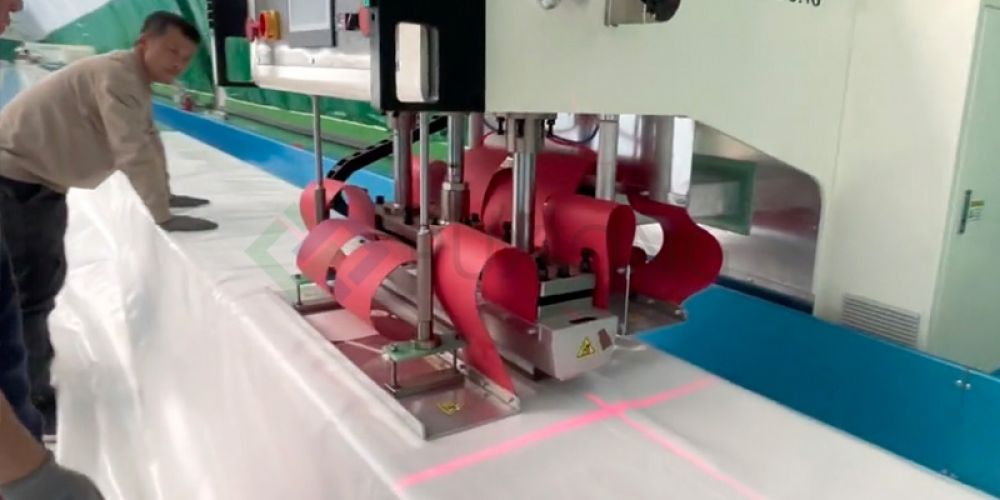
In the field of modern architecture, the construction of large-scale venues requires not only meeting functional…
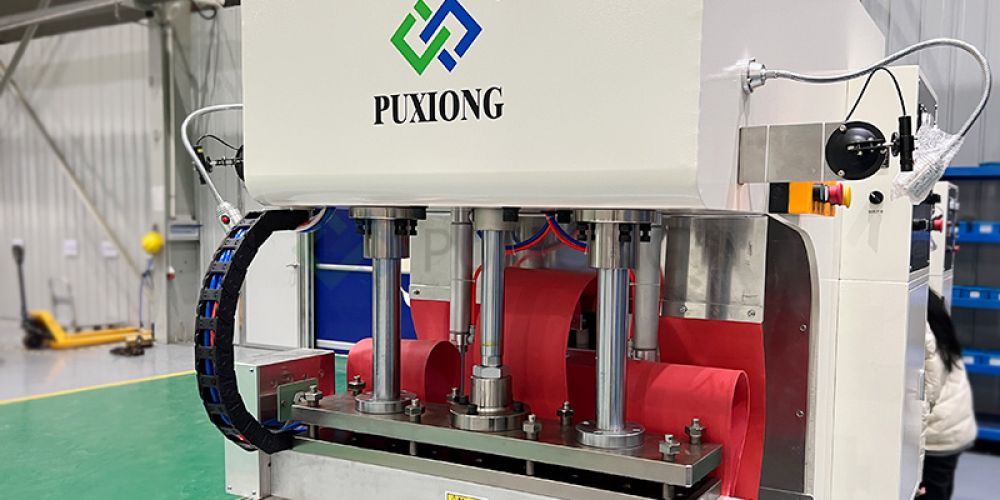
The advantages of high-frequency welding for tensile membrane structures primarily include the following aspects: 1. **Simple…
.jpg)
Welded tensile membrane structures are widely used in landscape architecture and offer significant advantages. The following…

Gas storage bags play a vital role in industrial production by storing gases, regulating pressure, enhancing…