

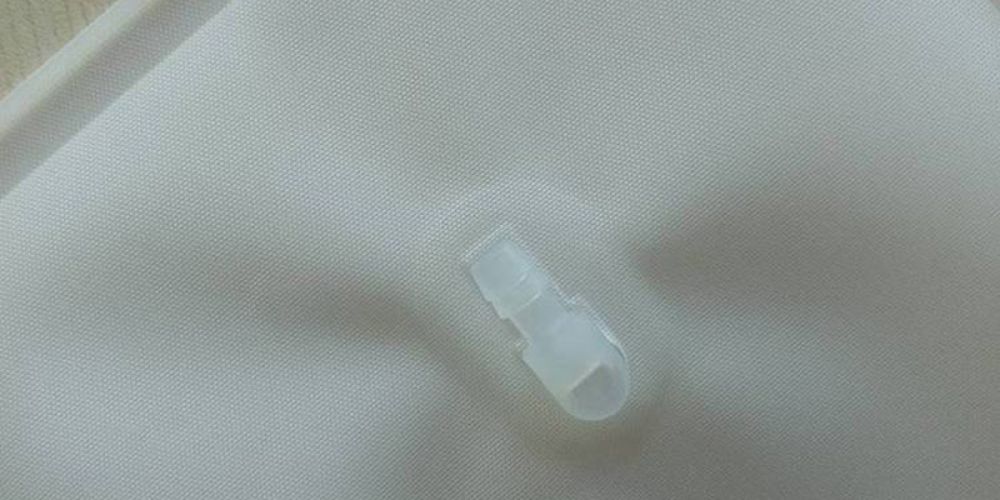
High-end medical protective equipment adopts high-frequency welding technology primarily due to its three core advantages: high efficiency & precision, safety & cleanliness, and strong adaptability. These characteristics perfectly align with the stringent requirements of medical scenarios regarding product performance, hygiene standards, and production reliability. The specific advantages are as follows:
I. High Efficiency & Precision: Enhancing Production Efficiency and Product Consistency
II. Safety & Cleanliness: Meeting Medical-Grade Hygiene Standards
III. Strong Adaptability: Addressing Complex Structures & High-Performance Demands
.jpg)
The applications of PVDF membrane materials—involving processes such as coating, sanding, and welding—in the environmental protection…
.jpg)
I. Advantages of Grinding and Welding PVDF-Coated Membrane Fabric 1. Improved Weldability: Grinding removes the surface…
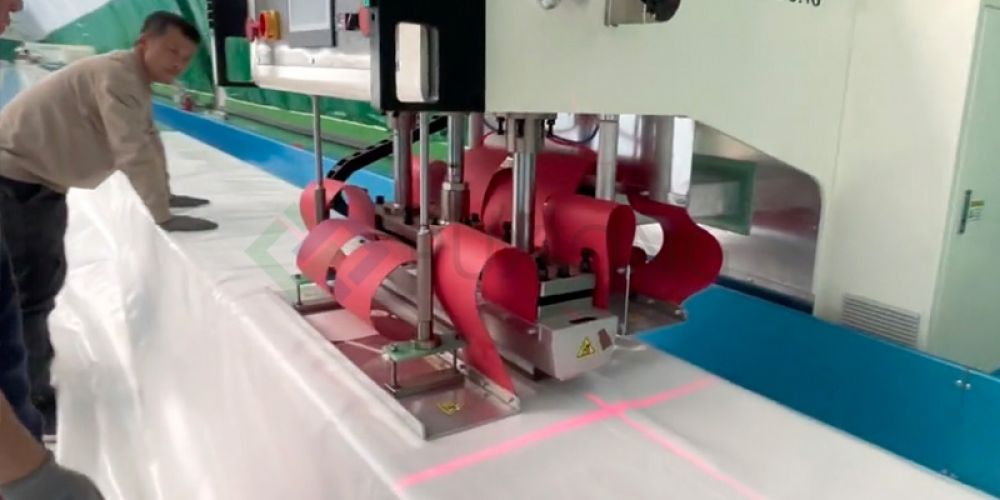
In the field of modern architecture, the construction of large-scale venues requires not only meeting functional…
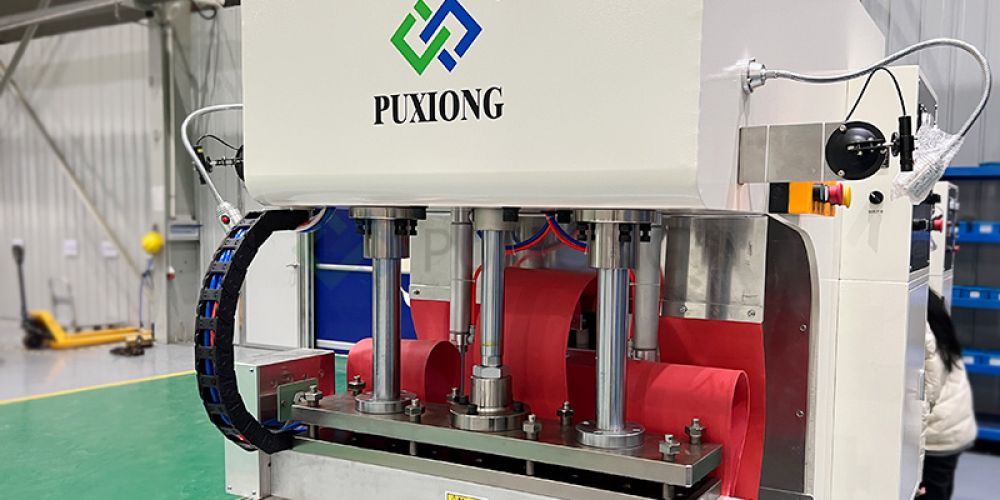
The advantages of high-frequency welding for tensile membrane structures primarily include the following aspects: 1. **Simple…
.jpg)
Welded tensile membrane structures are widely used in landscape architecture and offer significant advantages. The following…

Gas storage bags play a vital role in industrial production by storing gases, regulating pressure, enhancing…