

High-Frequency Welding vs. Conventional Welding: Four Core Advantages
Compared to other welding technologies, High-Frequency Welding (HFW) demonstrates unique advantages in heating efficiency, process control, application flexibility, and eco-friendliness, making it stand out in precision manufacturing, medical, automotive, and other fields:
1. Superior Heating Efficiency & Speed
• Instant operation: HFW generates heat through electromagnetic induction-induced molecular friction, requiring no preheating or prolonged heating. Welding completes within seconds, unlike arc/flame welding which requires minutes of preheating.
• Productivity boost: This "instant-on" capability significantly enhances production efficiency, particularly suitable for mass production lines.
2. Precision Process Control & Consistency
• Localized heating: Concentrates heat precisely on weld zones with minimal heat-affected zones (HAZ), preventing material distortion or oxidation caused by thermal diffusion in conventional welding.
• Adjustable parameters: Precise control over penetration depth, weld width, and strength through power/frequency/pressure adjustments ensures weld uniformity and reduces human error.
3. Versatile Applications & Adaptability
• Material versatility: Compatible with carbon steel, stainless steel, aluminum, copper, and even dissimilar materials (e.g., copper-aluminum), with low surface cleanliness requirements.
• Shape adaptability: Customizable induction coils enable welding of complex curves, irregular joints, or micro-components (e.g., medical catheter connections), overcoming geometric limitations of traditional welding.
4. Eco-Friendly & Cost-Effective
• Pollution-free: No open flames, fumes, or harmful emissions, meeting strict cleanliness standards in medical and food industries.
• Energy efficient: Saves >70% energy vs. flame welding, eliminating shielding gas/consumables to reduce long-term costs.
• Automation ready: Seamless integration with robotics/conveyors enables fully automated production with minimal downtime.
.jpg)
The applications of PVDF membrane materials—involving processes such as coating, sanding, and welding—in the environmental protection…
.jpg)
I. Advantages of Grinding and Welding PVDF-Coated Membrane Fabric 1. Improved Weldability: Grinding removes the surface…
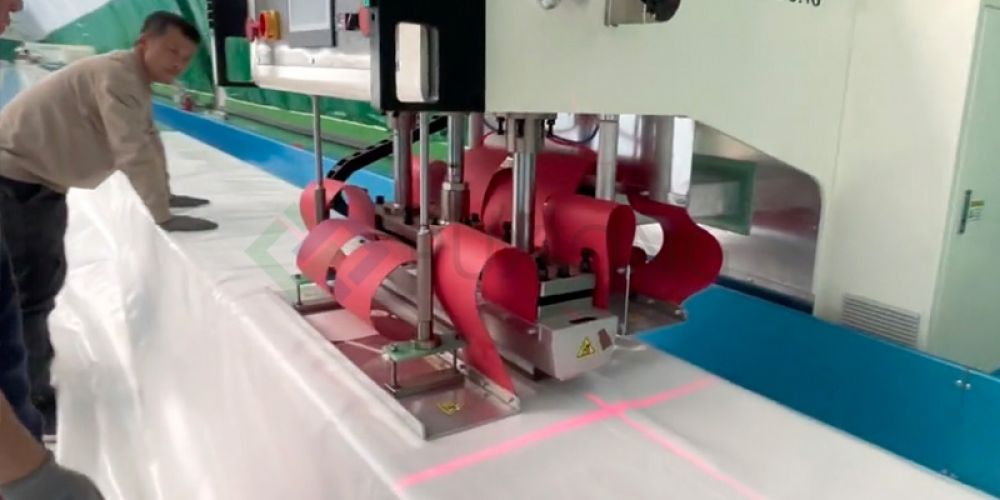
In the field of modern architecture, the construction of large-scale venues requires not only meeting functional…
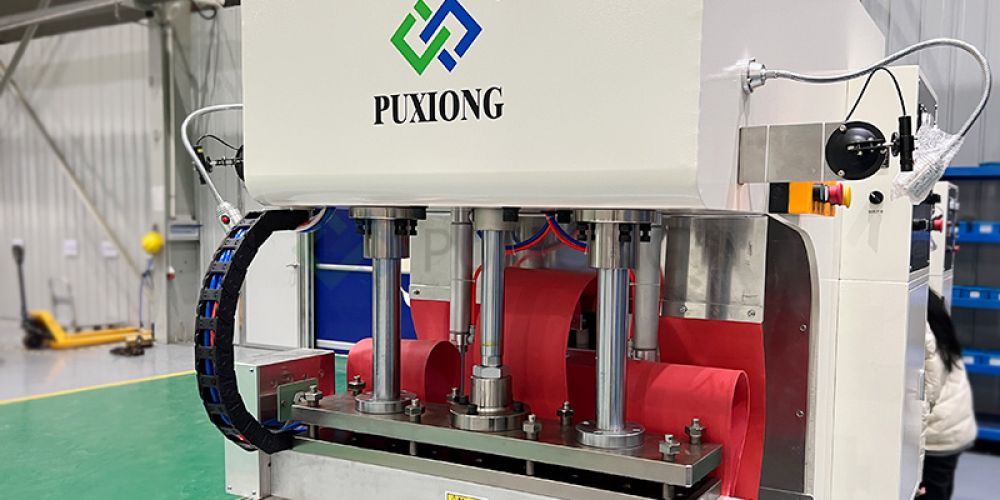
The advantages of high-frequency welding for tensile membrane structures primarily include the following aspects: 1. **Simple…
.jpg)
Welded tensile membrane structures are widely used in landscape architecture and offer significant advantages. The following…

Gas storage bags play a vital role in industrial production by storing gases, regulating pressure, enhancing…