

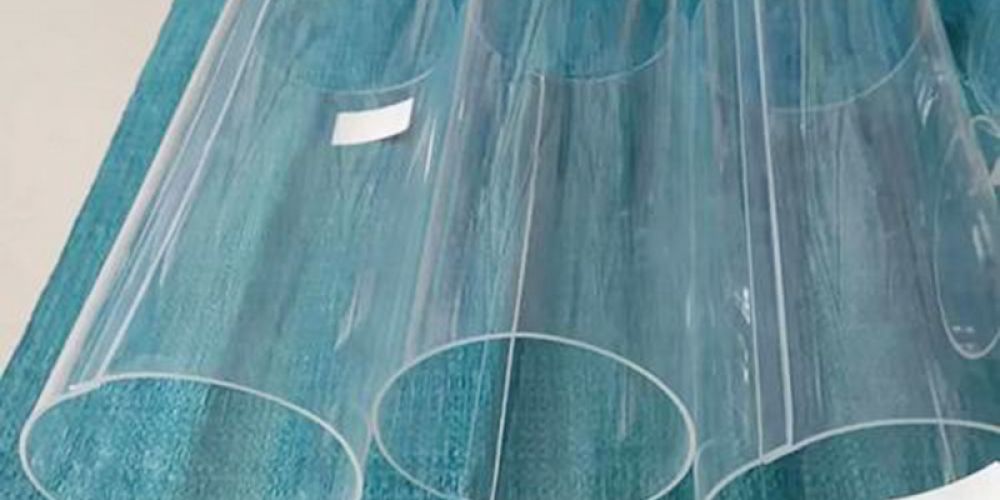
I. TPU Flexible Connectors: A Comprehensive Revolution from Materials to Structures
1. Material Breakthroughs: The Art of Balancing Transparency and Performance
TPU (thermoplastic polyurethane) is a block copolymer synthesized through the polymerization of diisocyanates, polyols, and chain extenders. Its molecular structure—composed of soft segments (polyester/polyether polyols) and hard segments (diisocyanates)—grants the material exceptional elasticity and strength. Conventional TPU suffers from limited light transmittance due to light scattering caused by benzene rings in its molecular chains. New-generation TPU flexible connectors achieve breakthrough transparency through the following innovations:
2. Structural Optimization: Precision Manufacturing and Sealing Design
Transparency in TPU connectors relies not only on materials but also on advanced manufacturing processes:
.jpg)
The applications of PVDF membrane materials—involving processes such as coating, sanding, and welding—in the environmental protection…
.jpg)
I. Advantages of Grinding and Welding PVDF-Coated Membrane Fabric 1. Improved Weldability: Grinding removes the surface…
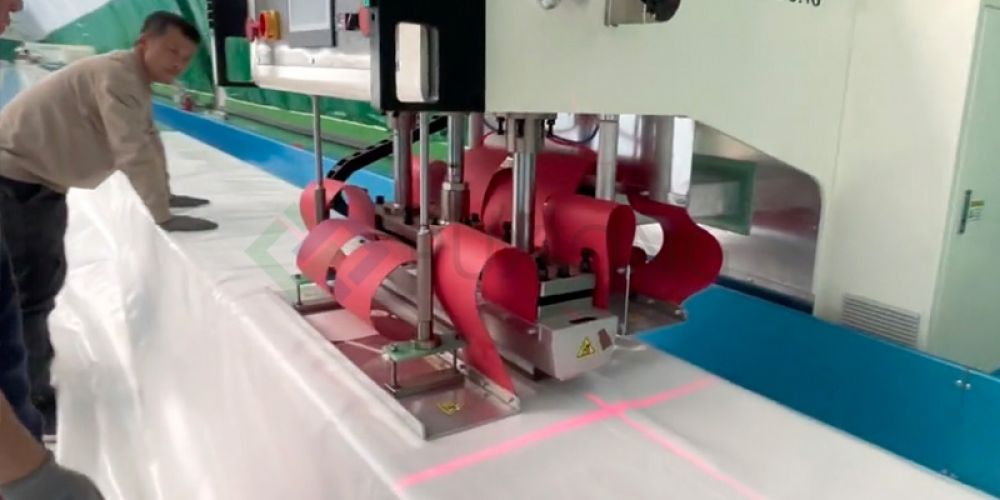
In the field of modern architecture, the construction of large-scale venues requires not only meeting functional…
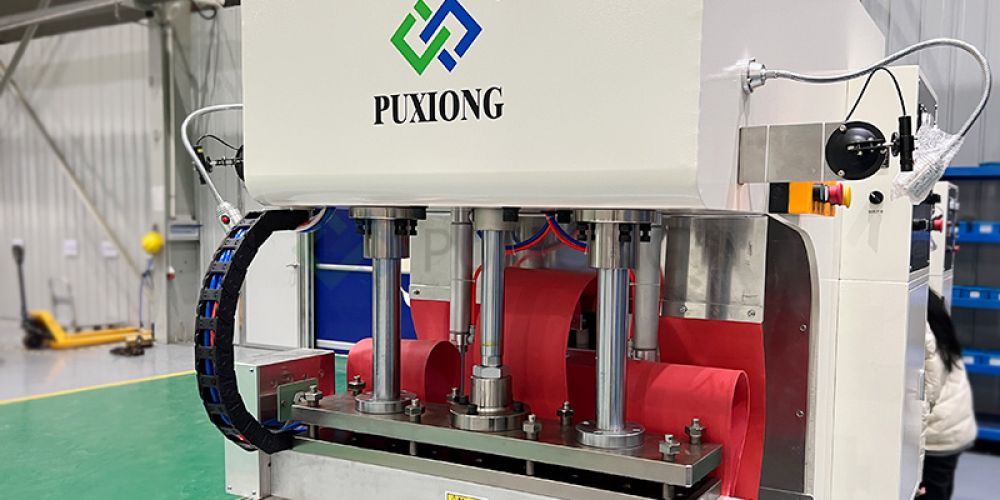
The advantages of high-frequency welding for tensile membrane structures primarily include the following aspects: 1. **Simple…
.jpg)
Welded tensile membrane structures are widely used in landscape architecture and offer significant advantages. The following…

Gas storage bags play a vital role in industrial production by storing gases, regulating pressure, enhancing…