

.jpg)
I. Materials Revolution: From Rigid to Flexible
The core challenge in medical inflatable liners lies in material selection, which must simultaneously meet stringent requirements for gas tightness, biosafety, fatigue resistance, and flexibility. Traditional rubber or plastic liners are gradually being replaced by next-generation materials due to issues such as high gas permeability, rapid aging, or poor biocompatibility.
1. Polymer Composite Materials: Balancing Sealing and Flexibility
TPU (Thermoplastic Polyurethane):
Silicone Rubber:
PEBAX (Polyether Block Amide):
2. Nanocoating Technology: Expanding Performance Boundaries
Hydrophobic/Oleophobic Coatings:
Deposit fluorinated nanoparticles (e.g., PTFE) on liner surfaces to achieve contact angles >150°, preventing blood or tissue fluid penetration and reducing infection risks.
Antimicrobial Coatings:
Incorporate silver ions or photocatalytic titanium dioxide to inhibit common pathogens (e.g., Staphylococcus aureus, E. coli), meeting ICU and high-risk scenario requirements.
3. Biodegradable Materials: Pioneering Temporary Implant Solutions
PCL (Polycaprolactone):
.jpg)
The applications of PVDF membrane materials—involving processes such as coating, sanding, and welding—in the environmental protection…
.jpg)
I. Advantages of Grinding and Welding PVDF-Coated Membrane Fabric 1. Improved Weldability: Grinding removes the surface…
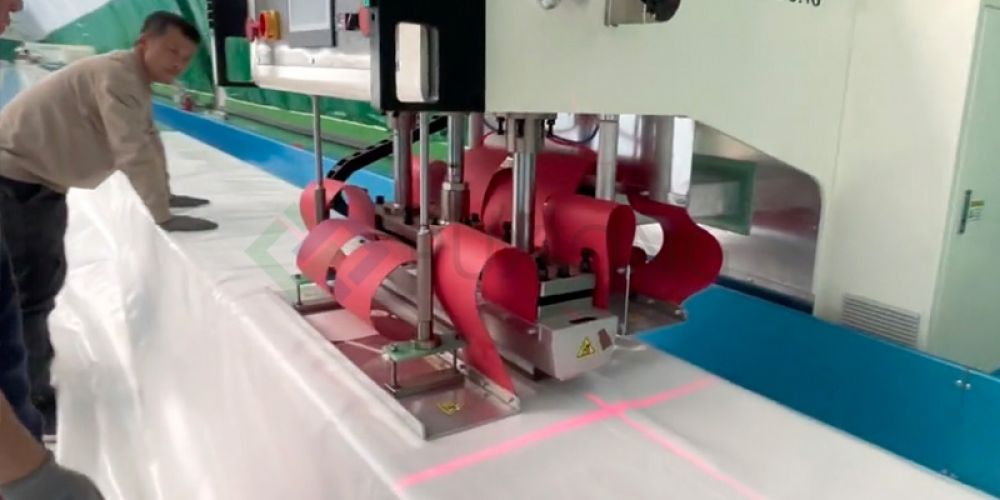
In the field of modern architecture, the construction of large-scale venues requires not only meeting functional…
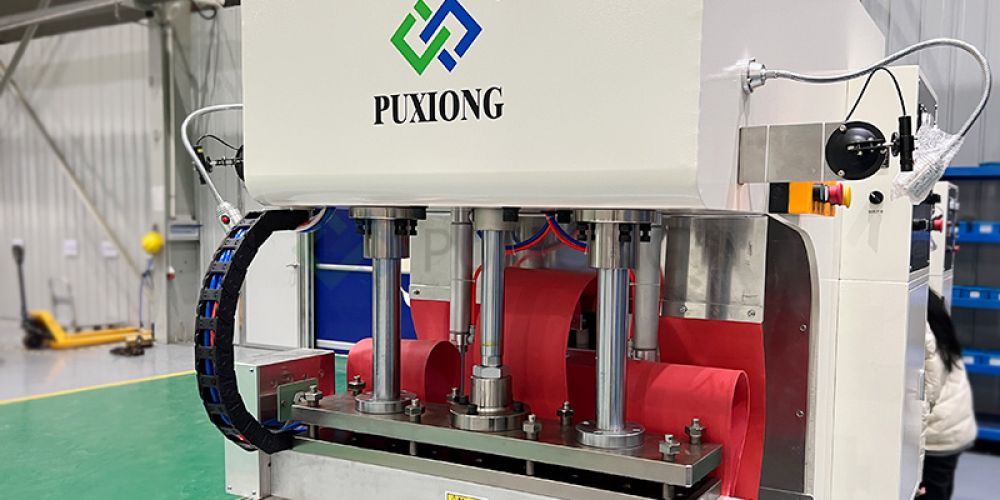
The advantages of high-frequency welding for tensile membrane structures primarily include the following aspects: 1. **Simple…
.jpg)
Welded tensile membrane structures are widely used in landscape architecture and offer significant advantages. The following…

Gas storage bags play a vital role in industrial production by storing gases, regulating pressure, enhancing…