

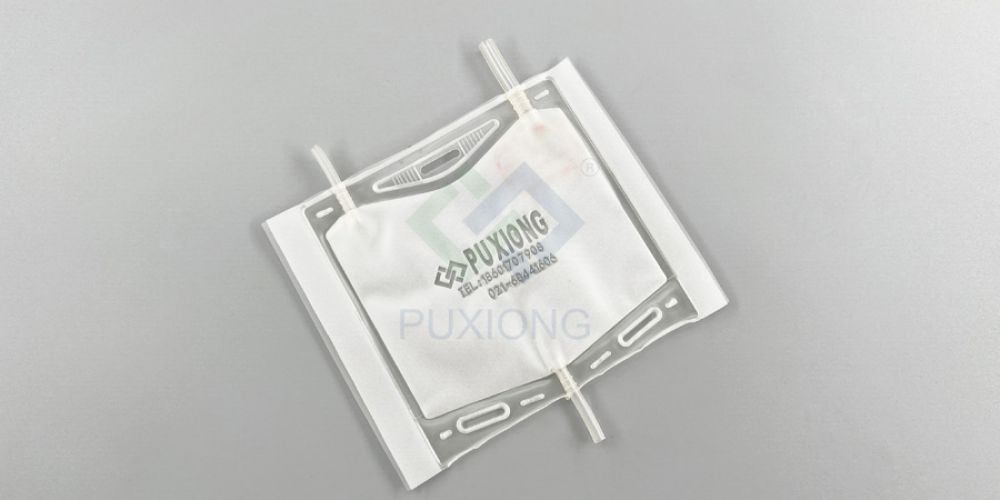
Technical Principles: Molecular-Level Fusion Driven by High-Frequency Electromagnetic Fields
High-frequency welding (also known as radiofrequency welding or dielectric welding) operates on the principle of leveraging high-frequency electromagnetic fields (typically 27.12 MHz or 40.68 MHz) to induce polarization phenomena within plastic materials. When subjected to an alternating electric field, the molecular chains of the material oscillate rapidly in sync with the field direction, generating heat through intermolecular friction. This heat is generated internally rather than conducted from the surface, enabling the plastic to melt almost instantaneously (typically 0.1–1 second) and form robust molecular-level bonds.
Key Highlights:
Material Compatibility:
Precision Thermal Control:
Non-Contact Process:
Technical Advantages: Balancing Efficiency, Safety, and Cost Optimization
High-frequency welding has become the industry standard in blood bag manufacturing due to its unique strengths:
High Production Efficiency:
Superior Seal Quality:
Hygienic Safety:
Cost Efficiency:
.jpg)
The applications of PVDF membrane materials—involving processes such as coating, sanding, and welding—in the environmental protection…
.jpg)
I. Advantages of Grinding and Welding PVDF-Coated Membrane Fabric 1. Improved Weldability: Grinding removes the surface…
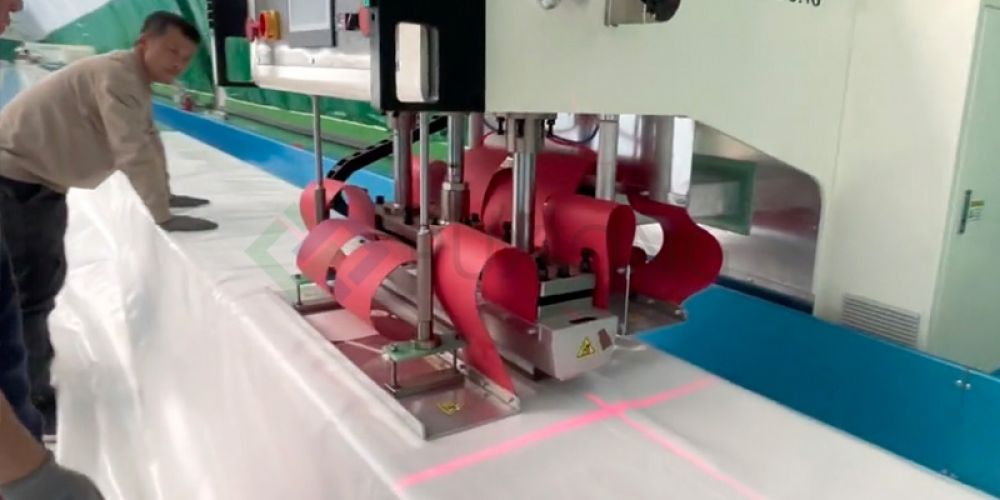
In the field of modern architecture, the construction of large-scale venues requires not only meeting functional…
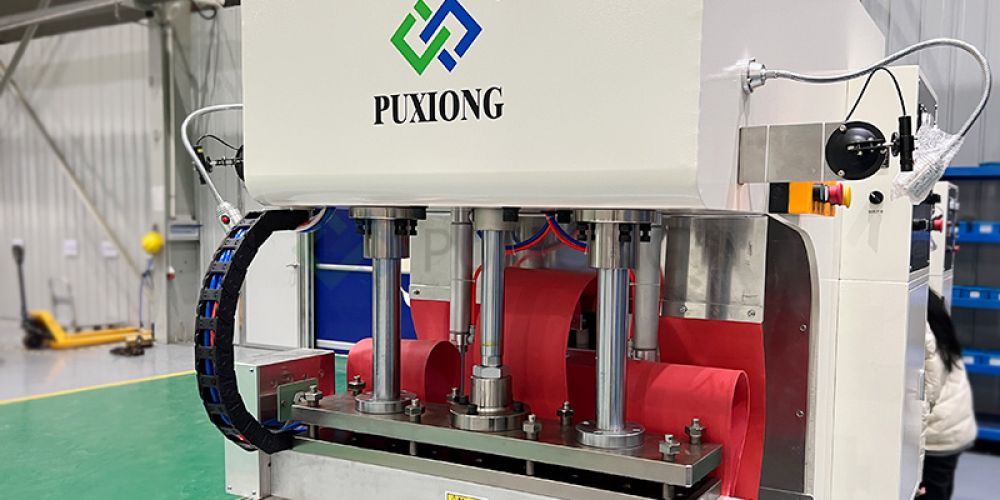
The advantages of high-frequency welding for tensile membrane structures primarily include the following aspects: 1. **Simple…
.jpg)
Welded tensile membrane structures are widely used in landscape architecture and offer significant advantages. The following…

Gas storage bags play a vital role in industrial production by storing gases, regulating pressure, enhancing…