

.jpg)
As core containers for blood collection, storage, and transportation, the reliability of blood bag welding technology directly impacts the safety and efficacy of blood products. Traditional welding methods, such as hot-plate welding and adhesive bonding, are gradually being replaced by high-frequency (HF) welding due to issues like inadequate sealing, high contamination risks, and low production efficiency. With its molecular-level fusion, non-contact heating, and intelligent control, HF welding has emerged as the "gold standard" in blood bag manufacturing, driving the industry toward safer, more efficient, and environmentally sustainable practices.
Inadequate Sealing Performance
High Contamination Risks
Low Production Efficiency
Poor Material Adaptability
Traditional methods struggle with varying material thicknesses and complex geometries, restricting design innovation.
Molecular-Level Sealing: A Long-Term Safety Barrier
Sterility and Biocompatibility: Dual Safeguards for Blood Safety
High-Speed Automation and Flexible Production
Sustainability: A Model for Green Manufacturing
.jpg)
The applications of PVDF membrane materials—involving processes such as coating, sanding, and welding—in the environmental protection…
.jpg)
I. Advantages of Grinding and Welding PVDF-Coated Membrane Fabric 1. Improved Weldability: Grinding removes the surface…
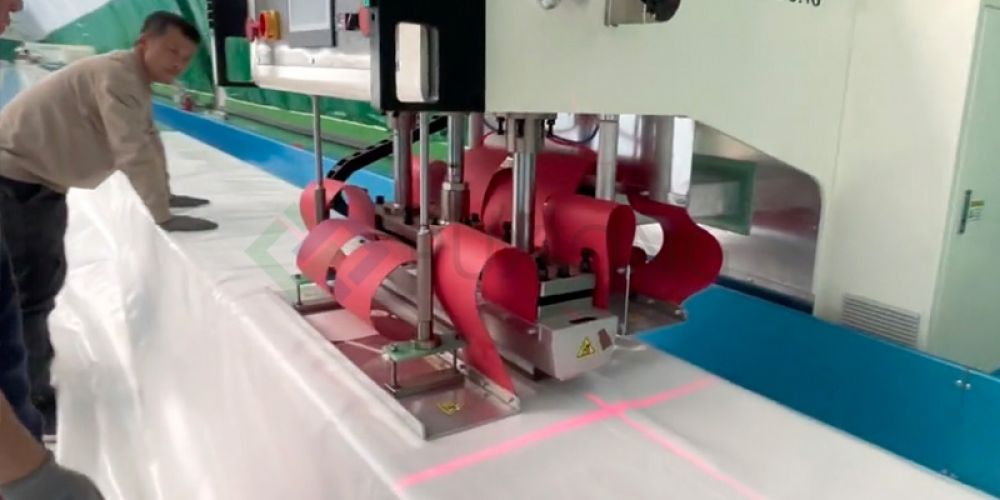
In the field of modern architecture, the construction of large-scale venues requires not only meeting functional…
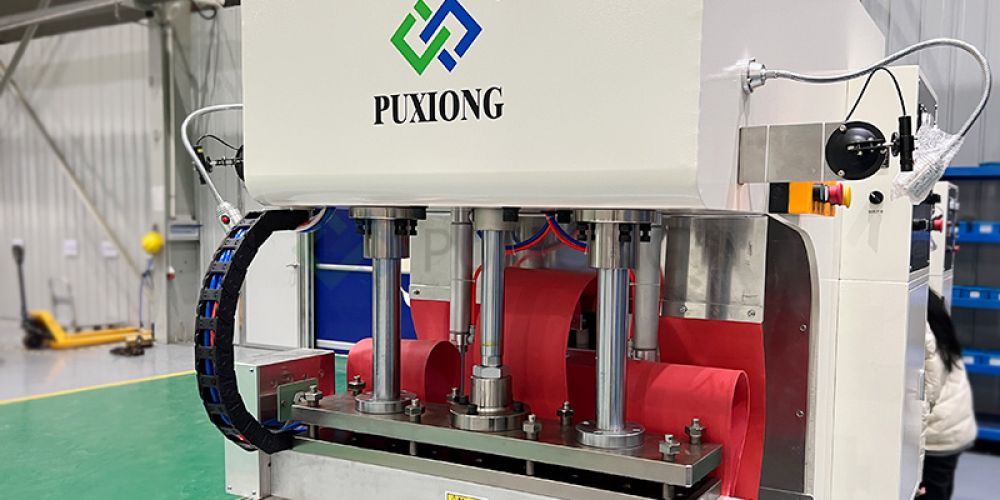
The advantages of high-frequency welding for tensile membrane structures primarily include the following aspects: 1. **Simple…
.jpg)
Welded tensile membrane structures are widely used in landscape architecture and offer significant advantages. The following…

Gas storage bags play a vital role in industrial production by storing gases, regulating pressure, enhancing…