

.jpg)
The High-Frequency (HF) welding process utilizes oscillating electromagnetic fields (standard frequencies: 27.12/40.68 MHz) to induce molecular excitation in thermoplastics (PVC/TPU). Fundamental mechanisms:
1. Precision Thermal Management
2. Stress-Free Bonding
3. Instantaneous Phase Transition
A. Catheter-Body Fusion
B. Valve Integration
A. Multi-Layer Lamination
B. Micro-Feature Welding
A. Integrated Processing Line
B. Flexible Tooling
.jpg)
The applications of PVDF membrane materials—involving processes such as coating, sanding, and welding—in the environmental protection…
.jpg)
I. Advantages of Grinding and Welding PVDF-Coated Membrane Fabric 1. Improved Weldability: Grinding removes the surface…
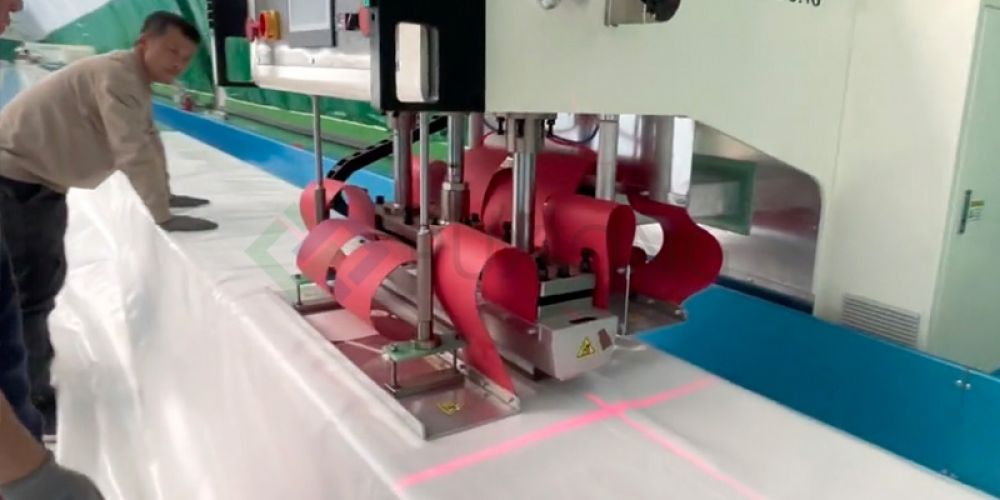
In the field of modern architecture, the construction of large-scale venues requires not only meeting functional…
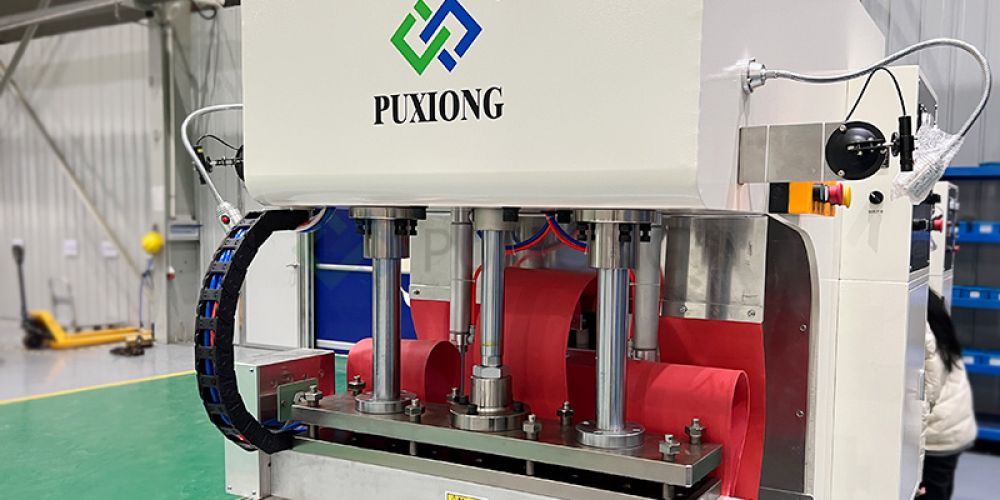
The advantages of high-frequency welding for tensile membrane structures primarily include the following aspects: 1. **Simple…
.jpg)
Welded tensile membrane structures are widely used in landscape architecture and offer significant advantages. The following…

Gas storage bags play a vital role in industrial production by storing gases, regulating pressure, enhancing…