

.jpg)
High-frequency welding utilizes electromagnetic fields to induce synchronous molecular vibration within materials, generating heat that uniformly softens the welding interface from the inside out. This creates a seamless, high-strength seal that addresses traditional thermal bonding issues like localized overheating (carbonization) or incomplete fusion (cold joints). Particularly suited for complex structural welding, it significantly enhances leak resistance and product reliability.
High-frequency welding systems integrate into fully automated production lines, enabling seamless processes from raw material feeding to welding and final inspection.
.jpg)
The applications of PVDF membrane materials—involving processes such as coating, sanding, and welding—in the environmental protection…
.jpg)
I. Advantages of Grinding and Welding PVDF-Coated Membrane Fabric 1. Improved Weldability: Grinding removes the surface…
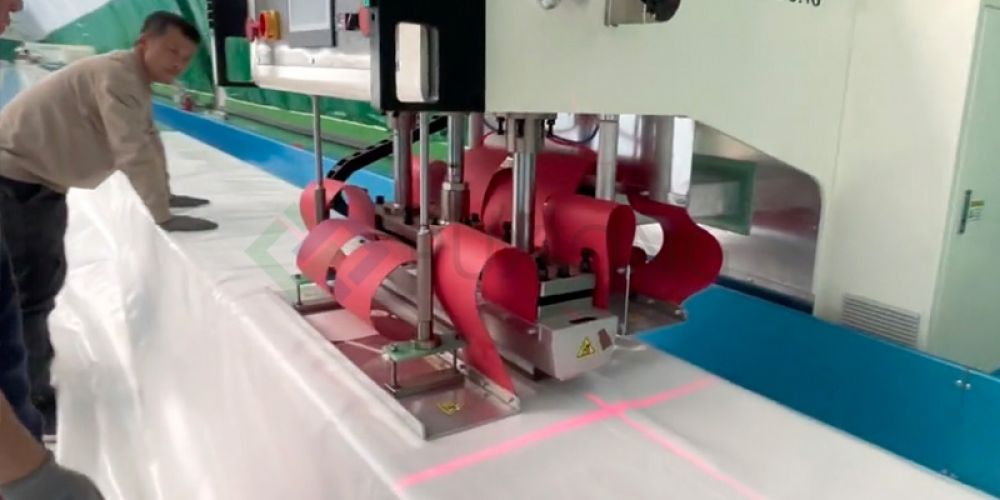
In the field of modern architecture, the construction of large-scale venues requires not only meeting functional…
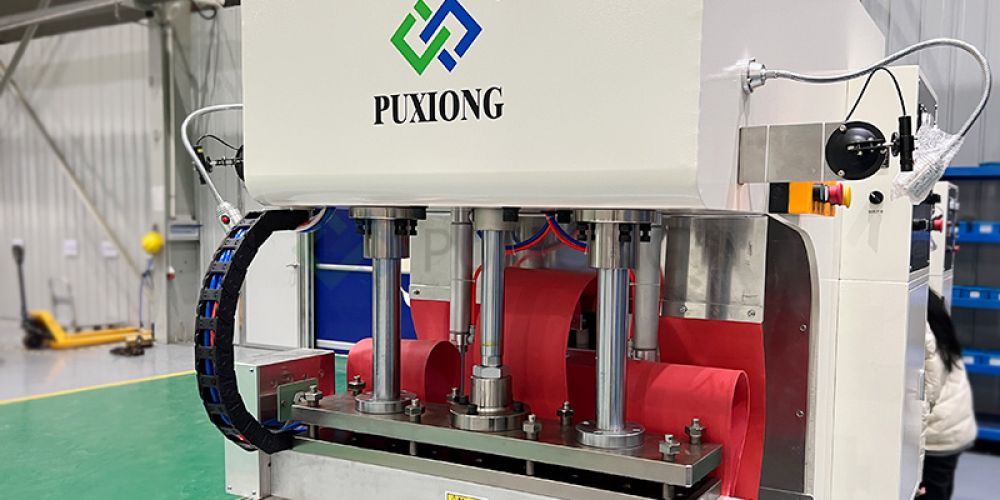
The advantages of high-frequency welding for tensile membrane structures primarily include the following aspects: 1. **Simple…
.jpg)
Welded tensile membrane structures are widely used in landscape architecture and offer significant advantages. The following…

Gas storage bags play a vital role in industrial production by storing gases, regulating pressure, enhancing…