

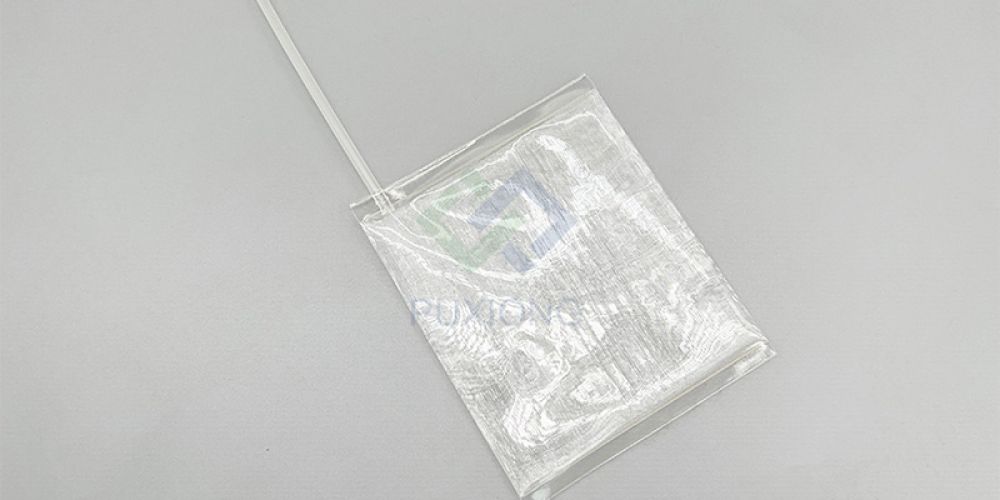
I. Limitations of Traditional Heat Sealing
Traditional heat sealing technology melts packaging materials at high temperatures to create seals but faces three critical challenges:
Thermal Damage Risks
Inconsistent Seal Integrity
Efficiency-Cost Imbalance
II. Revolutionary Advantages of High-Frequency (HF) Welding
HF welding uses high-frequency vibration to generate molecular friction heat, enabling "localized instant fusion" that redefines pharmaceutical packaging:
Cold Welding Technology, Zero Thermal Damage
Smart Control for "Zero-Defect" Sealing
Flexible Production, Unmatched Efficiency
Sustainable Manufacturing, Global Compliance
.jpg)
The applications of PVDF membrane materials—involving processes such as coating, sanding, and welding—in the environmental protection…
.jpg)
I. Advantages of Grinding and Welding PVDF-Coated Membrane Fabric 1. Improved Weldability: Grinding removes the surface…
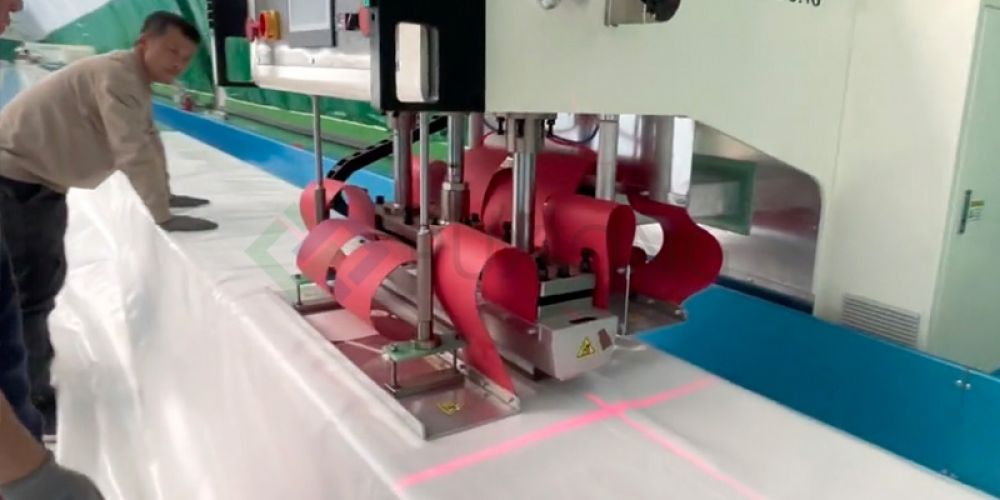
In the field of modern architecture, the construction of large-scale venues requires not only meeting functional…
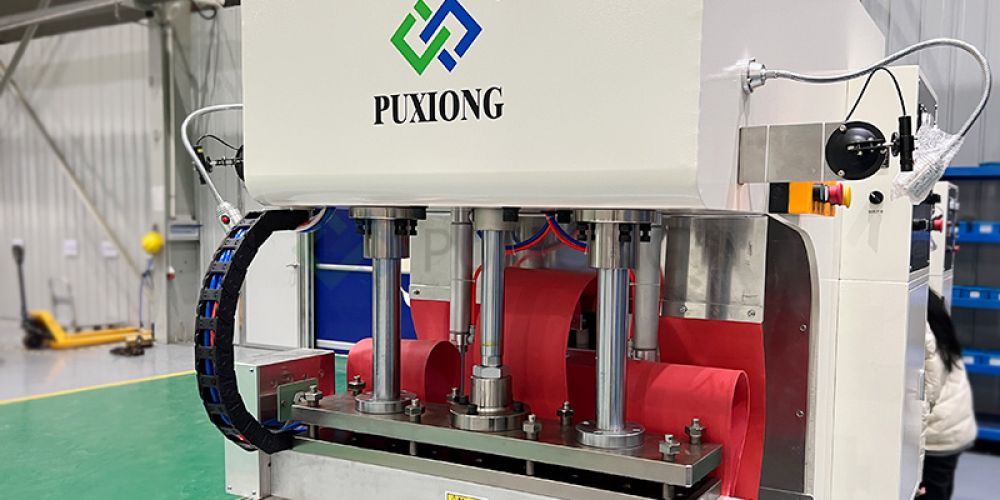
The advantages of high-frequency welding for tensile membrane structures primarily include the following aspects: 1. **Simple…
.jpg)
Welded tensile membrane structures are widely used in landscape architecture and offer significant advantages. The following…

Gas storage bags play a vital role in industrial production by storing gases, regulating pressure, enhancing…