
BLOGS

All Blogs

Ultrasonic Welding: Analysis of the Welding Principle and Application of PC and TPU Films

I. Welding Principle: Molecular Fusion Driven by High-Frequency Vibration

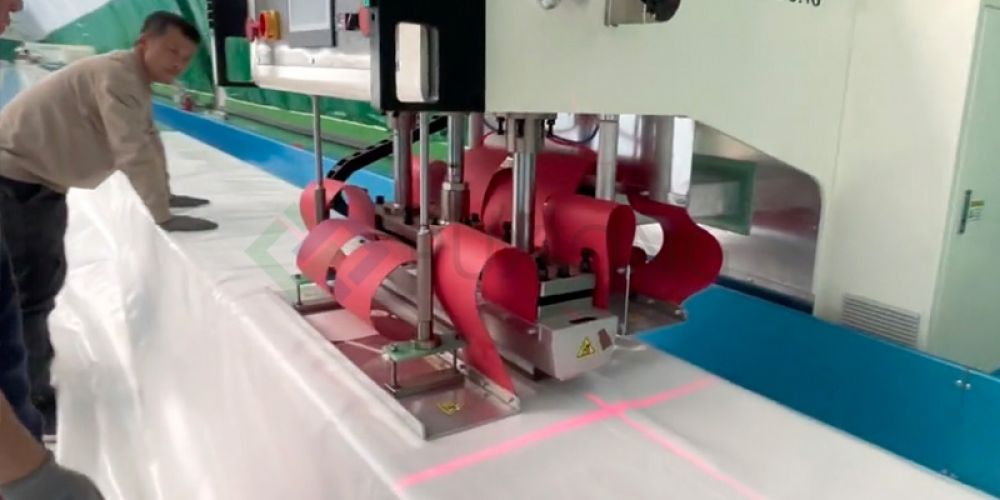
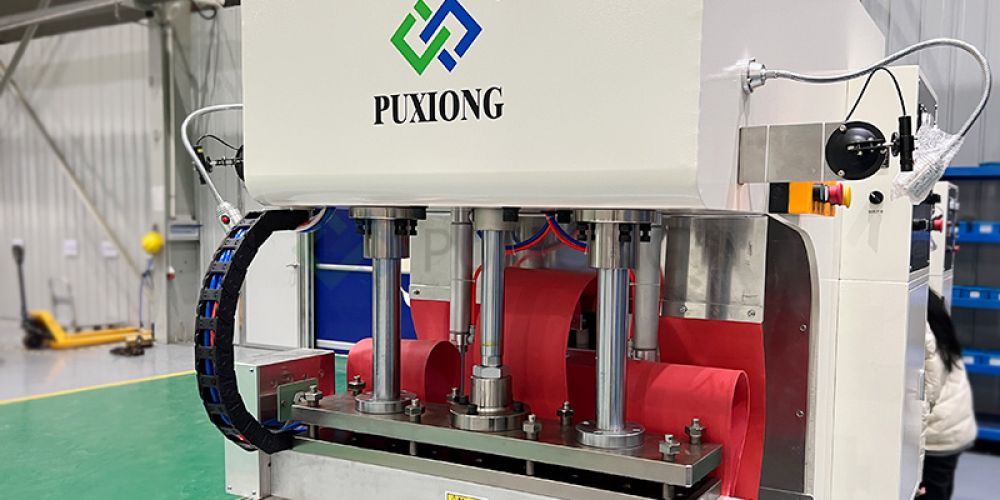
Ultrasonic welding enables cutting and welding of components like gloves, tubing, and custom-seamed bags. Its process relies on frictional heat generated by high-frequency mechanical vibrations (15–40 kHz) to melt and molecularly bond material interfaces. Key stages include:

  1. Energy Conversion:

    • An ultrasonic generator converts electrical energy into high-frequency vibrations, transmitted through a transducer and booster to the welding horn.
  2. Frictional Heating:

    • The horn focuses vibrational energy onto contact surfaces (e.g., PC or TPU films), inducing molecular chain friction to generate localized heat.
  3. Fusion Bonding:

    • Under pressure, molten regions solidify into robust molecular bonds, achieving weld strengths near original material performance.

II. Welding Characteristics and Applications of PC Films

1. Material Properties

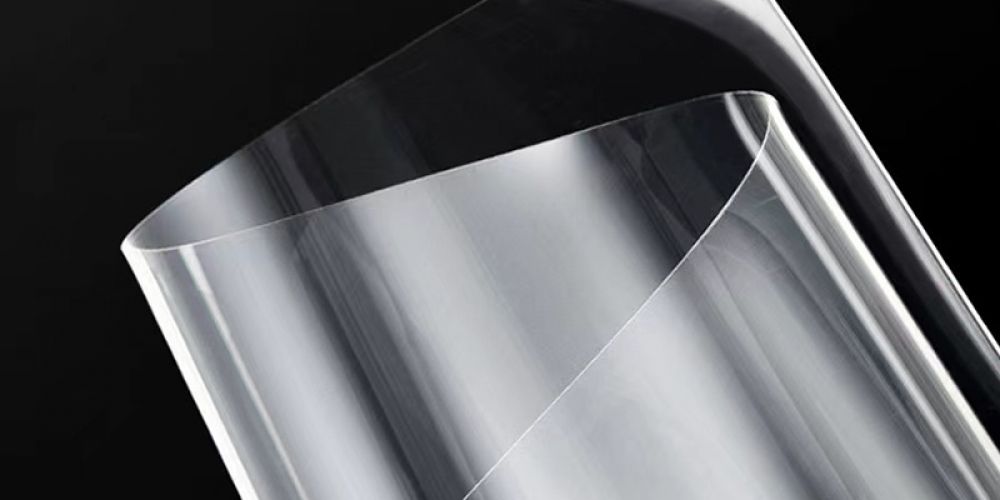
  • Polycarbonate (PC):
    • Amorphous thermoplastic with a melting point of ~145°C.
    • Features: High transparency, impact resistance, flame retardancy.
    • Disordered molecular chains allow rapid softening/melting, ideal for ultrasonic welding.

2. Process Guidelines

  • Energy Director Design:
    • Triangular energy directors at 25–30% of film thickness (e.g., 0.125–0.15 mm height for 0.5 mm PC film).
  • Tooling Precision:
    • Horn and anvil molds must be tightly aligned to prevent weld line deviation.
  • Optimized Parameters:
    • Example (20 kHz): 1500–2500 W power, 0.3 MPa pressure, 0.3-second weld time.

3. Typical Applications

  • Electronics: SIM card trays (stainless steel + PC), sensor housings (aluminum + PC).
  • Automotive: Dashboard assemblies, headlight lenses, interior trim.
  • Medical: Connectors, transparent components (e.g., endoscope housings).

III. Welding Characteristics and Applications of TPU Films

1. Material Properties

  • Thermoplastic Polyurethane (TPU):
    • Elastic polymer with a melting range of 85–170°C.
    • Features: High elasticity, abrasion resistance, oil resistance.
    • Flexible molecular segments demand higher amplitude/energy density for fusion.

2. Process Guidelines

  • Amplitude Control:
    • Requires 30–60 μm amplitude to overcome elastic resistance and generate sufficient heat.
  • Energy Boosting:
    • Boosters with 1.5–2.5× amplification ratios concentrate energy at weld interfaces.
  • Pressure Adjustment:
    • 0.5–0.8 MPa pressure counters elastic rebound for secure bonding.

3. Typical Applications

  • Sealing: Automotive fuel tank gaskets, waterproof connectors.
  • Flexible Components: Wearable device straps, sports protectors.
  • Composite Films: TPU/PET laminates (food packaging), TPU/textile hybrids (footwear, apparel).