

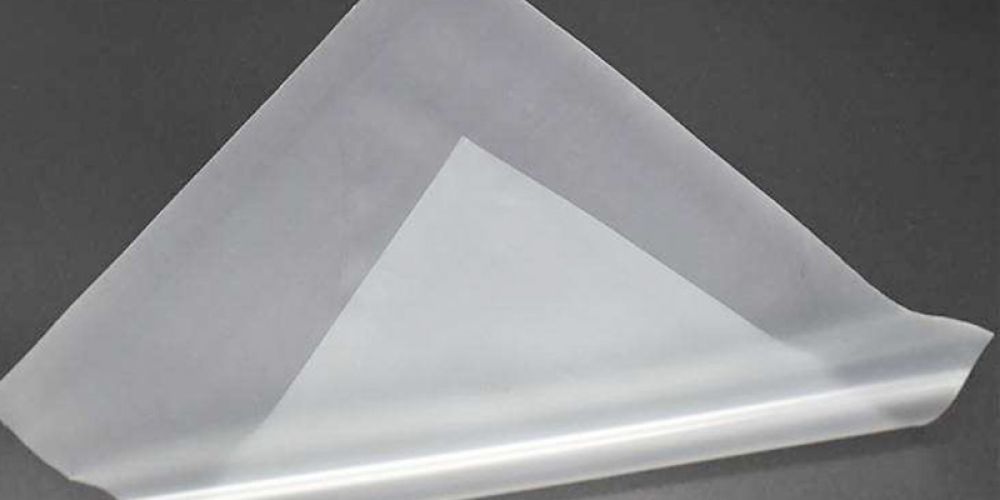
I. Welding Principle
High-frequency (HF) welding utilizes a high-frequency electromagnetic field (typically 27.12 MHz) to excite polar groups (e.g., ester groups, ether bonds) in TPU molecules, causing rapid rotational friction and localized heat generation. The heat concentrates at the film contact interface, partially melting the material. After power shutdown, cooling solidifies the interface, forming molecular-level welds. Core advantages: High weld strength, small heat-affected zone, rapid efficiency, and no need for adhesives/solvents.
II. Welding Process
III. Key Applications
IV. Technical Comparative Advantages
.jpg)
The applications of PVDF membrane materials—involving processes such as coating, sanding, and welding—in the environmental protection…
.jpg)
I. Advantages of Grinding and Welding PVDF-Coated Membrane Fabric 1. Improved Weldability: Grinding removes the surface…
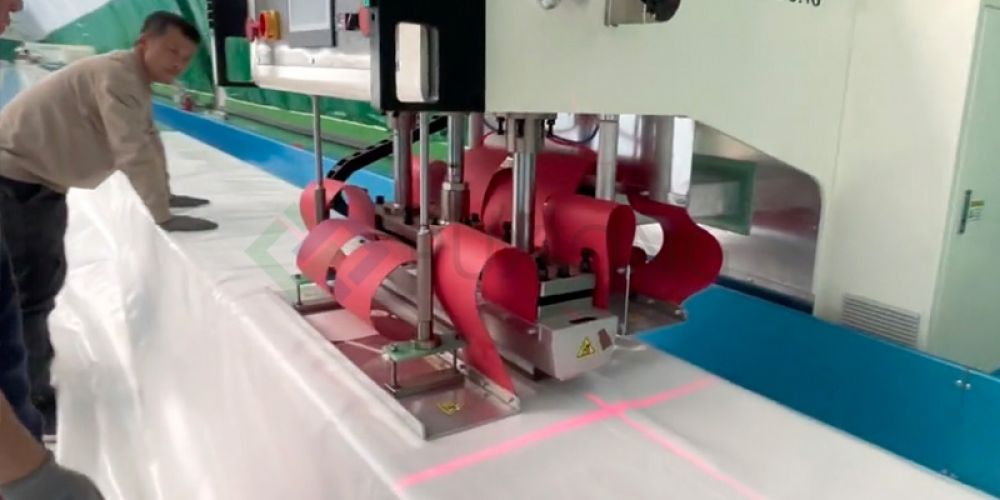
In the field of modern architecture, the construction of large-scale venues requires not only meeting functional…
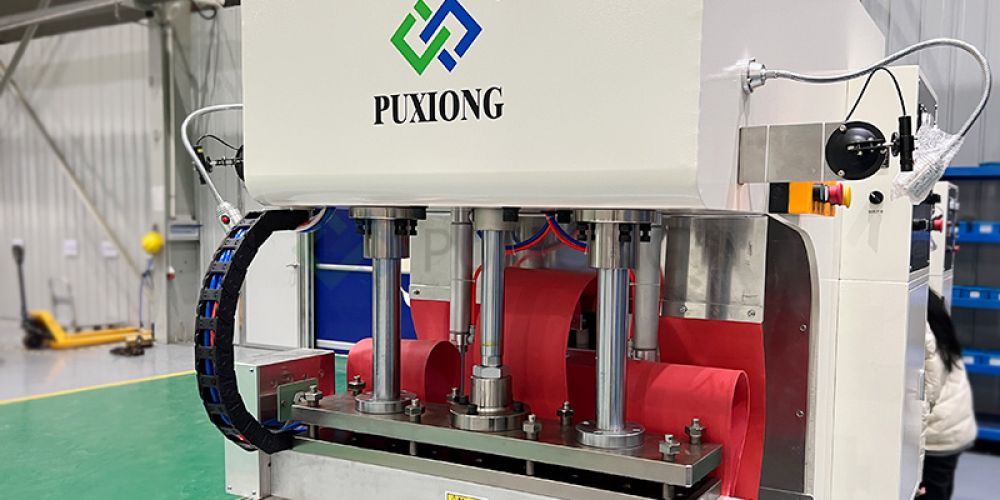
The advantages of high-frequency welding for tensile membrane structures primarily include the following aspects: 1. **Simple…
.jpg)
Welded tensile membrane structures are widely used in landscape architecture and offer significant advantages. The following…

Gas storage bags play a vital role in industrial production by storing gases, regulating pressure, enhancing…