

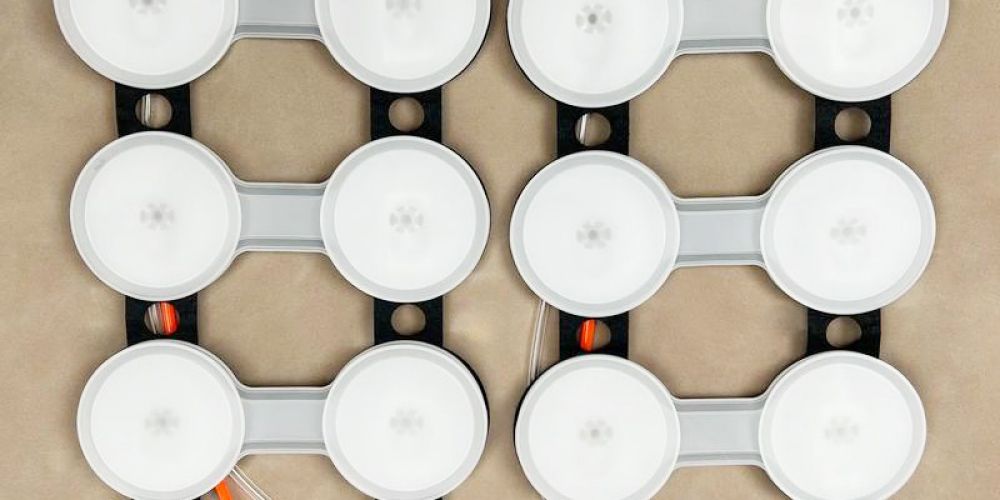
I. Welding Principle: Precision Control of Light and Heat
The core of laser welding for TPU films lies in laser transmission welding technology, leveraging differential laser absorption characteristics between material layers for non-contact heating:
Non-contact Heating Mechanism:
Critical Parameter: Laser wavelength must match material absorption spectrum to concentrate energy at the welding interface while preventing surface damage.
II. Technical Advantages: Precision, Cleanliness, Efficiency
III. Key Applications
1. Medical Sector
2. Industrial Products
.jpg)
The applications of PVDF membrane materials—involving processes such as coating, sanding, and welding—in the environmental protection…
.jpg)
I. Advantages of Grinding and Welding PVDF-Coated Membrane Fabric 1. Improved Weldability: Grinding removes the surface…
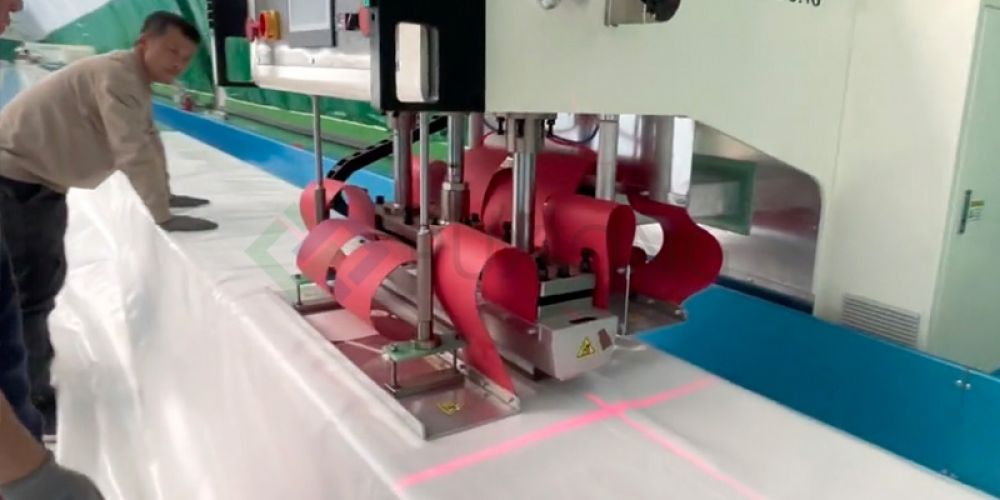
In the field of modern architecture, the construction of large-scale venues requires not only meeting functional…
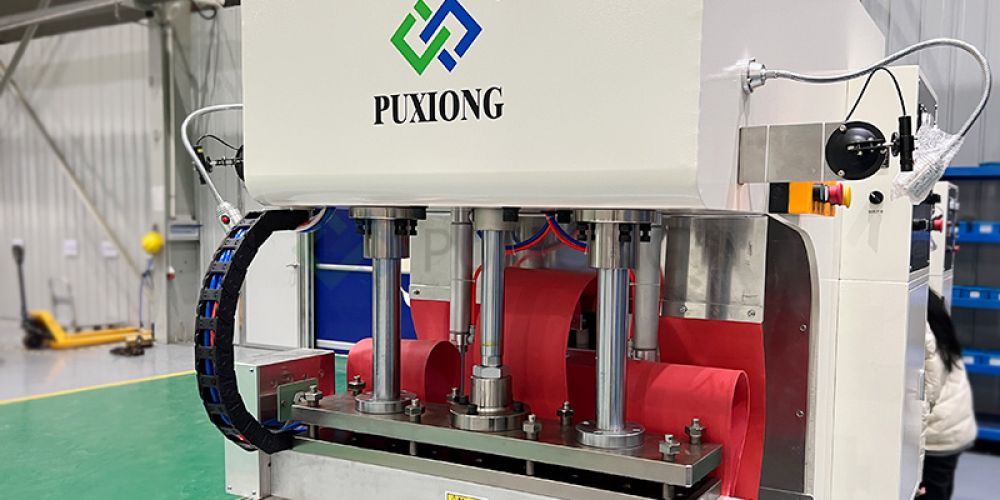
The advantages of high-frequency welding for tensile membrane structures primarily include the following aspects: 1. **Simple…
.jpg)
Welded tensile membrane structures are widely used in landscape architecture and offer significant advantages. The following…

Gas storage bags play a vital role in industrial production by storing gases, regulating pressure, enhancing…